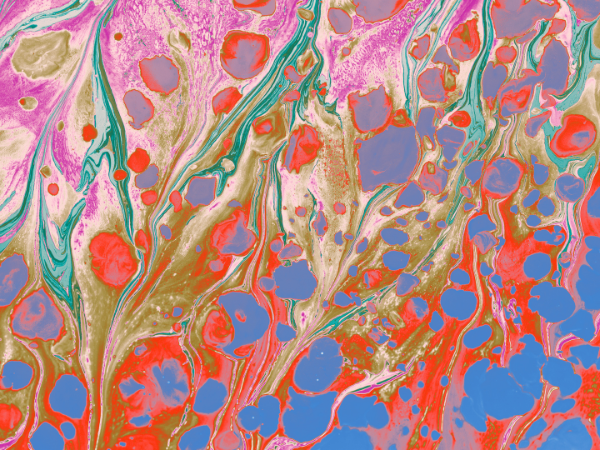
Art styles and movements are the backbone of visual culture, shaping how societies express ideas, emotions, and identity. Each movement reflects not only aesthetic preferences but also the historical, social, and philosophical contexts of its time. From ancient cave paintings to contemporary digital art, styles evolve as artists respond to changing worlds. This guide explores nine major movements, each with its own defining traits, key figures, and enduring influence. By understanding these styles, we gain insight into the creative spirit that has driven humanity for centuries.
Renaissance Art
The Renaissance marked a rebirth of classical ideals, emphasizing humanism, proportion, and perspective. Artists sought to capture the beauty of the natural world and the dignity of human beings.
- Focus on realism and anatomical accuracy
- Use of linear perspective to create depth
- Revival of Greco-Roman themes and mythology
- Patronage from wealthy families like the Medicis
- Masterpieces by Leonardo da Vinci, Michelangelo, and Raphael
This movement transformed art into a study of science and philosophy, blending creativity with intellectual rigor. Renaissance works remain celebrated for their balance, harmony, and timeless beauty, influencing countless generations of artists.
Baroque Art
Baroque art emerged in 17th-century Europe, characterized by drama, grandeur, and emotional intensity. It often served religious and political purposes, aiming to inspire awe.
- Strong contrasts of light and shadow (chiaroscuro)
- Dynamic compositions with movement and energy
- Ornate details and lavish decoration
- Themes of power, faith, and divine authority
- Artists like Caravaggio, Rubens, and Bernini
Baroque art was theatrical, designed to engage viewers emotionally. Its boldness and extravagance reflected the ambitions of monarchs and the Catholic Church, leaving behind iconic works that still captivate audiences today.
Neoclassicism
Neoclassicism arose in the 18th century as a reaction to Baroque excess, returning to simplicity and classical ideals. It aligned with Enlightenment values of reason and order.
- Clean lines and restrained compositions
- Inspiration from ancient Greece and Rome
- Emphasis on moral virtue and civic duty
- Balanced proportions and symmetry
- Artists like Jacques-Louis David and Antonio Canova
This style mirrored the intellectual climate of its time, promoting clarity and rationality. Neoclassicism influenced architecture, sculpture, and painting, shaping public monuments and political imagery across Europe.
Romanticism
Romanticism celebrated emotion, imagination, and the sublime power of nature. Emerging in the late 18th century, it rejected rationalism in favor of personal expression.
- Emphasis on individual emotion and creativity
- Dramatic landscapes and depictions of nature’s grandeur
- Interest in folklore, exoticism, and the supernatural
- Themes of freedom, rebellion, and passion
- Artists like Francisco Goya, J.M.W. Turner, and Eugène Delacroix
Romanticism gave voice to the inner world of the artist, prioritizing feeling over form. Its legacy endures in literature, music, and art, inspiring movements that value authenticity and emotional depth.
Impressionism
Impressionism revolutionized painting in the late 19th century, focusing on light, color, and fleeting moments. Artists painted outdoors to capture natural effects.
- Loose brushwork and visible strokes
- Bright, vibrant color palettes
- Focus on everyday life and leisure scenes
- Interest in changing light and atmosphere
- Artists like Claude Monet, Pierre-Auguste Renoir, and Edgar Degas
Impressionism broke from academic traditions, emphasizing perception over detail. Its radical approach paved the way for modern art, influencing countless styles that followed.
Post-Impressionism
Post-Impressionism built on Impressionism but added structure, symbolism, and emotional intensity. Each artist developed a unique approach.
- Bold use of color and expressive brushwork
- Emphasis on personal vision and symbolism
- Distinct styles from Van Gogh, Gauguin, and Cézanne
- Exploration of form, geometry, and abstraction
- Focus on emotional and spiritual meaning
This movement bridged Impressionism and modernism, inspiring Cubism, Fauvism, and Expressionism. Post-Impressionist works remain iconic for their individuality and innovation.
Cubism
Cubism, pioneered by Picasso and Braque, shattered traditional perspective by depicting subjects from multiple angles simultaneously.
- Geometric shapes and fragmented forms
- Neutral color palettes in early works
- Analytical Cubism (structured, monochromatic)
- Synthetic Cubism (collage, vibrant colors)
- Influence on sculpture, design, and architecture
Cubism challenged how reality could be represented, opening doors to abstraction. Its radical vision reshaped modern art, influencing movements across the 20th century.
Surrealism
Surrealism explored the unconscious mind, dreams, and irrational imagery. Emerging in the 1920s, it blended art with psychoanalysis.
- Dreamlike, fantastical imagery
- Juxtapositions of unrelated objects
- Influence from Freud’s theories of the unconscious
- Artists like Salvador Dalí, René Magritte, and Max Ernst
- Techniques like automatism and collage
Surrealism sought to liberate creativity from rational constraints. Its bizarre yet compelling imagery continues to inspire artists, filmmakers, and writers worldwide.
Abstract Expressionism
Abstract Expressionism emerged in mid-20th-century America, emphasizing spontaneity, emotion, and large-scale canvases. It marked a shift in global art leadership.
- Gestural brushstrokes and energetic movement
- Emphasis on process over subject matter
- Color field painting with vast expanses of color
- Artists like Jackson Pollock, Mark Rothko, and Willem de Kooning
- Focus on individuality and freedom of expression
This movement embodied postwar optimism and existential struggle. Abstract Expressionism remains a cornerstone of modern art, symbolizing the power of raw emotion and creative freedom.
Conclusion
Art styles and movements are more than aesthetic categories—they are reflections of human history, thought, and emotion. Each movement builds upon the past while shaping the future, offering unique insights into the human condition. By studying these styles, we connect with centuries of creativity and discover how art continues to evolve as a universal language.