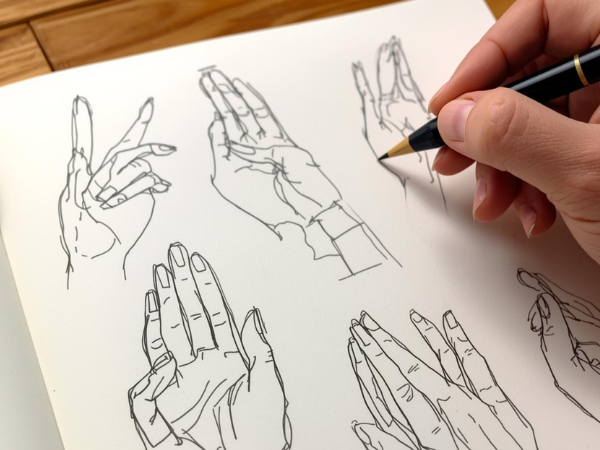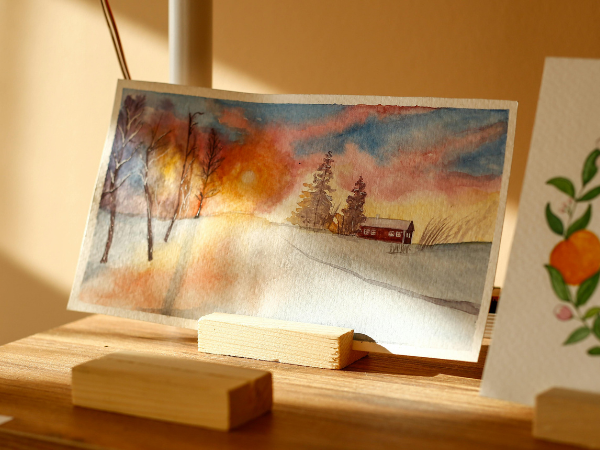
Thumbnails are small, rough sketches that serve as the foundation for larger, more detailed artworks. They allow artists to experiment with composition, perspective, and storytelling before committing to a final piece. By planning through thumbnails, creators save time, reduce mistakes, and gain clarity on how their ideas will unfold visually. This practice is not only efficient but also liberating, as it encourages exploration without the pressure of perfection.
What Are Thumbnails in Art?
Thumbnails are miniature sketches that capture the essence of an idea. They are quick, simplified drawings that focus on layout, balance, and flow rather than detail. Artists use them to brainstorm multiple concepts and decide which direction works best.
Defining traits of thumbnails:
- Small size, often just a few inches.
- Quick execution, focusing on shapes and composition.
- Multiple variations to explore different ideas.
- Serve as a visual roadmap for larger works.
- Encourage experimentation without fear of mistakes.
Thumbnails are essential because they allow artists to visualize ideas before investing hours into a final piece. They act as a creative playground where possibilities can be tested and refined.
Why Thumbnails Are Essential for Planning Artwork
Thumbnails streamline the creative process by helping artists organize their thoughts visually. Instead of diving straight into a complex composition, thumbnails provide a safe space to test ideas.
Benefits of thumbnails:
- Save time by preventing major mistakes.
- Allow comparison of multiple layouts.
- Help identify strong focal points.
- Provide clarity on perspective and proportions.
- Encourage creative risk-taking.
By using thumbnails, artists gain confidence in their final work. They can experiment freely, knowing that adjustments are easier at a small scale. This efficiency makes thumbnails a cornerstone of professional art planning.
How to Create Effective Thumbnails
Creating thumbnails doesn’t require advanced skills—just a willingness to sketch quickly and focus on essentials. The goal is clarity, not perfection.
Steps to create thumbnails:
- Start with small boxes or frames.
- Use simple shapes to block out composition.
- Focus on balance and flow rather than detail.
- Create multiple variations for comparison.
- Keep sketches loose and flexible.
Effective thumbnails capture the “big picture” of an artwork. They allow artists to refine ideas before committing to details, ensuring that the final piece has strong composition and storytelling.
Thumbnails and Composition: Building Strong Layouts
Composition is the backbone of any artwork, and thumbnails are the best way to test it. By sketching multiple layouts, artists can identify which arrangement best communicates their vision.
Composition elements to explore in thumbnails:
- Placement of focal points.
- Balance between positive and negative space.
- Flow of movement across the canvas.
- Perspective and depth.
- Symmetry versus asymmetry.
Thumbnails help artists avoid weak compositions by allowing them to test and refine layouts early. This ensures that the final artwork feels intentional and visually engaging.
Using Thumbnails for Storytelling in Art
Thumbnails are not just about composition—they also help with narrative. By sketching different scenarios, artists can explore how visual elements tell a story.
Storytelling through thumbnails:
- Experiment with character placement.
- Test emotional impact of different angles.
- Explore lighting for mood and atmosphere.
- Compare dynamic versus static scenes.
- Refine pacing in sequential art.
Thumbnails allow artists to visualize how viewers will interpret their work. They ensure that the story is clear and compelling before moving to detailed execution.
Thumbnails in Different Art Forms
Thumbnails are versatile and used across multiple disciplines, from fine art to design. Each field adapts thumbnails to its unique needs.
Examples of thumbnail use:
- Illustration – Testing character poses and environments.
- Comics – Planning panel layouts and pacing.
- Graphic Design – Exploring logo variations and layouts.
- Animation – Blocking out key frames and sequences.
- Painting – Experimenting with color schemes and balance.
This adaptability makes thumbnails a universal tool for creative planning. Regardless of medium, they provide clarity and direction.
Common Mistakes When Using Thumbnails
While thumbnails are simple, artists sometimes misuse them. Recognizing these mistakes helps improve efficiency.
Mistakes to avoid:
- Adding too much detail too early.
- Creating too few variations.
- Ignoring composition principles.
- Treating thumbnails as finished art.
- Skipping thumbnails altogether.
Avoiding these pitfalls ensures that thumbnails remain a helpful planning tool rather than a distraction.
Tips for Making Thumbnails Work for You
Thumbnails are most effective when used consistently and strategically. Artists can maximize their benefits by following best practices.
Tips for success:
- Set a time limit for each sketch.
- Focus on big shapes and flow.
- Compare multiple thumbnails side by side.
- Use thumbnails to test color schemes.
- Keep them organized for future reference.
By treating thumbnails as a creative habit, artists build efficiency into their workflow. Over time, this practice leads to stronger, more intentional artworks.
Final Thoughts: Why Thumbnails Empower Artists
Thumbnails are more than just sketches—they are a mindset. They encourage exploration, reduce mistakes, and provide clarity. By planning through thumbnails, artists gain control over their creative process while staying open to new ideas.
Ultimately, thumbnails empower artists to work smarter, not harder. They transform uncertainty into confidence, ensuring that every artwork begins with a strong foundation.