Art has always been a mirror of human creativity, emotion, and cultural evolution. Among the many forms of artistic expression, sculpture and painting stand out as two of the most influential. Both mediums have shaped civilizations, inspired movements, and left lasting impressions on societies across the world. This article explores their impact by examining their history, techniques, cultural significance, and influence on modern art.
The Historical Roots of Sculpture
Sculpture dates back to prehistoric times, with early examples like the Venus of Willendorf symbolizing fertility and human form. Over centuries, sculpture evolved into monumental works such as the statues of ancient Greece and Rome, which celebrated gods, heroes, and political leaders.
- Prehistoric figurines representing fertility and spirituality
- Greek marble statues emphasizing idealized human anatomy
- Roman busts portraying realism and political authority
- Medieval religious sculptures adorning cathedrals
- Renaissance masterpieces by Michelangelo and Donatello
Sculpture’s ability to capture physical presence and permanence made it central to cultural identity. Its tactile nature and three-dimensionality allowed societies to immortalize figures and ideas, ensuring their legacy endured through stone, bronze, and wood.
The Evolution of Painting Through Ages
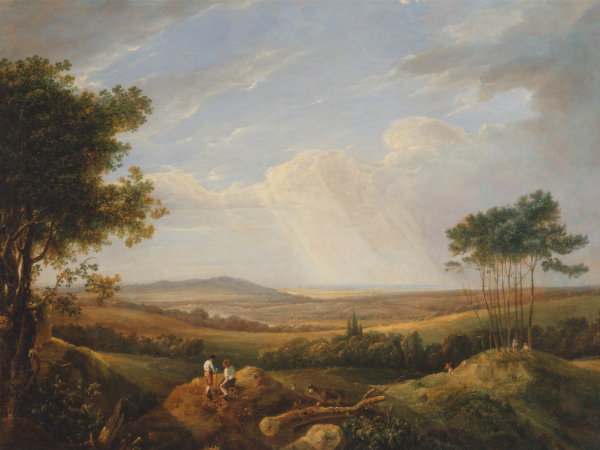
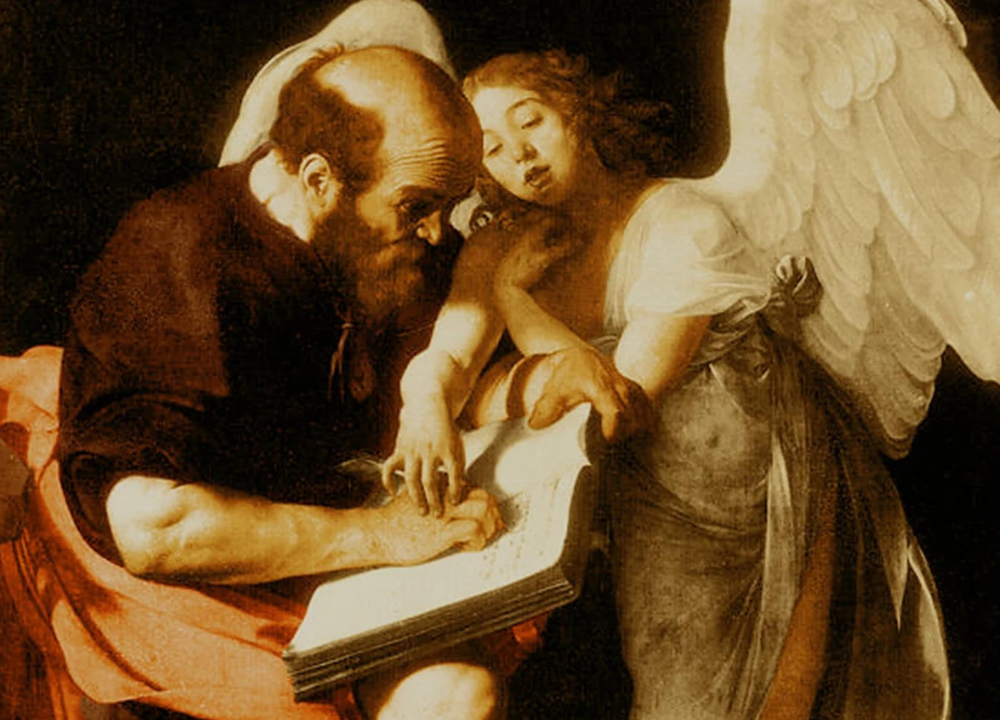
Painting has been a cornerstone of visual storytelling, from cave art to modern abstract works. Ancient civilizations used pigments to depict rituals, daily life, and divine beings, while Renaissance artists elevated painting into a refined discipline of perspective and realism.
- Cave paintings in Lascaux depicting hunting scenes
- Egyptian murals illustrating gods and pharaohs
- Byzantine icons emphasizing spirituality
- Renaissance works by Leonardo da Vinci and Raphael
- Impressionist innovations by Monet and Renoir
Painting’s versatility in color, texture, and symbolism allowed artists to convey emotions and narratives with immediacy. Unlike sculpture, painting could capture fleeting moments, light, and atmosphere, making it a dynamic medium for human expression.
Sculpture as a Symbol of Power and Permanence
Throughout history, rulers and societies have used sculpture to project authority and permanence. From colossal statues to intricate reliefs, sculpture embodied strength and endurance.
- Egyptian pharaoh statues symbolizing divine rule
- Roman triumphal arches celebrating military victories
- Medieval gargoyles protecting sacred spaces
- Renaissance sculptures glorifying human achievement
- Modern monuments commemorating historical events
Sculpture’s durability ensured that messages of power and cultural identity remained intact for centuries. Its physical presence in public spaces reinforced collective memory and shaped societal values.
Painting as a Medium of Emotion and Immediacy
Painting excels at capturing emotion, atmosphere, and personal perspective. Artists use brushstrokes, color palettes, and composition to evoke feelings and provoke thought.
- Romantic paintings expressing passion and drama
- Impressionist works capturing fleeting light and movement
- Expressionist art conveying psychological depth
- Abstract paintings exploring form and color
- Contemporary works addressing social issues
Unlike sculpture’s permanence, painting’s immediacy allows for intimate connections between artist and viewer. It reflects the inner world of the creator and resonates with audiences through visual storytelling.
Techniques and Materials: Sculpture vs Painting
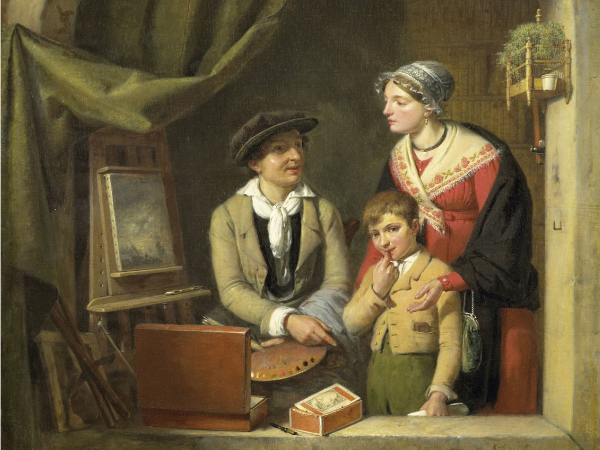
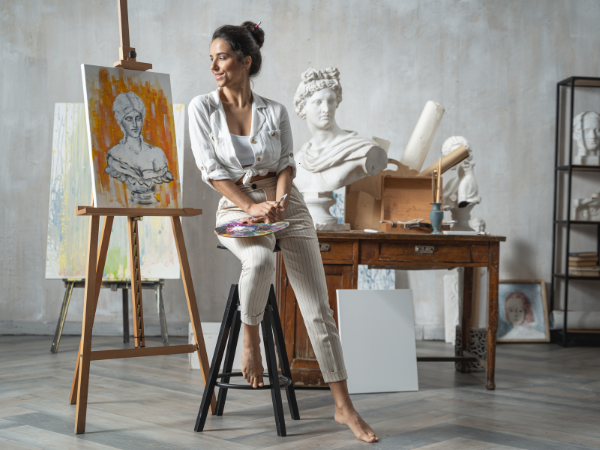
The materials and techniques of sculpture and painting define their distinct identities. Sculpture relies on carving, modeling, and casting, while painting depends on pigments, brushes, and surfaces.
- Sculpture: stone, bronze, wood, clay, modern synthetic materials
- Painting: oils, acrylics, watercolors, fresco, digital media
- Sculpture techniques: chiseling, molding, welding
- Painting techniques: layering, glazing, impasto
- Sculpture emphasizes form and space; painting emphasizes color and light
These differences highlight how each medium approaches artistic creation. Sculpture demands physical engagement with materials, while painting allows for fluid experimentation with color and texture.
Cultural Significance Across Civilizations
Both sculpture and painting have played vital roles in cultural identity. They reflect religious beliefs, political ideologies, and social values.
- Sculpture in temples and cathedrals reinforcing faith
- Painting in manuscripts preserving knowledge
- Public sculptures commemorating leaders and heroes
- Murals depicting community struggles and triumphs
- Modern art installations challenging societal norms
Together, sculpture and painting form a dialogue between permanence and immediacy, tradition and innovation. They embody the cultural spirit of their times and continue to inspire future generations.
Influence on Modern and Contemporary Art
Modern art blurred the boundaries between sculpture and painting, introducing new forms and hybrid expressions. Artists experimented with abstraction, mixed media, and conceptual approaches.
- Cubist paintings breaking perspective rules
- Futurist sculptures emphasizing movement
- Surrealist works blending dream and reality
- Pop art merging painting with commercial imagery
- Contemporary installations combining sculpture and digital art
This fusion expanded the possibilities of artistic impact. Both sculpture and painting adapted to modern sensibilities, addressing themes of identity, technology, and globalization.
The Psychological Impact on Audiences
Art affects audiences differently depending on the medium. Sculpture’s physicality engages viewers spatially, while painting’s imagery stimulates imagination and emotion.
- Sculpture invites tactile and spatial interaction
- Painting offers visual immersion and narrative depth
- Sculpture conveys permanence and authority
- Painting evokes intimacy and personal reflection
- Both inspire contemplation and cultural dialogue
The psychological impact of sculpture and painting lies in their ability to connect human experience with artistic vision. They shape perception, memory, and emotional resonance.
Conclusion: Which Has Greater Impact?
Determining whether sculpture or painting has greater impact depends on context, audience, and purpose. Sculpture embodies permanence, authority, and collective identity, while painting conveys emotion, immediacy, and personal perspective.
- Sculpture: permanence, power, cultural legacy
- Painting: emotion, storytelling, individual connection
- Both: essential to human creativity and cultural evolution
Ultimately, sculpture and painting complement each other, offering distinct yet interconnected ways of shaping human experience. Their combined influence ensures that art remains a powerful force in society, bridging past and present, tradition and innovation.