Modern painting is not only about color, composition, and subject matter—it is also about texture. The surface of a painting influences how light interacts with pigment, how viewers emotionally respond, and how artists communicate meaning. Texture transforms a flat canvas into a dynamic experience, making it a crucial element in contemporary art.
The Importance of Texture in Modern Painting
Texture in painting refers to the tactile or visual quality of the surface. In modern art, it is used to add depth, emotion, and individuality to works. Artists manipulate texture to create contrast, highlight themes, and engage viewers beyond simple imagery.
Key reasons texture matters in painting:
- Depth Creation – Adds dimensionality to otherwise flat surfaces.
- Emotional Impact – Rough or smooth textures evoke different feelings.
- Light Interaction – Alters how colors appear under varying conditions.
- Unique Identity – Distinguishes one artist’s work from another.
- Viewer Engagement – Encourages closer inspection and sensory connection.
Texture is more than decoration—it is a language of its own. By shaping how a painting feels visually and physically, artists use texture to expand the expressive power of their work.
Historical Shifts Toward Textured Surfaces
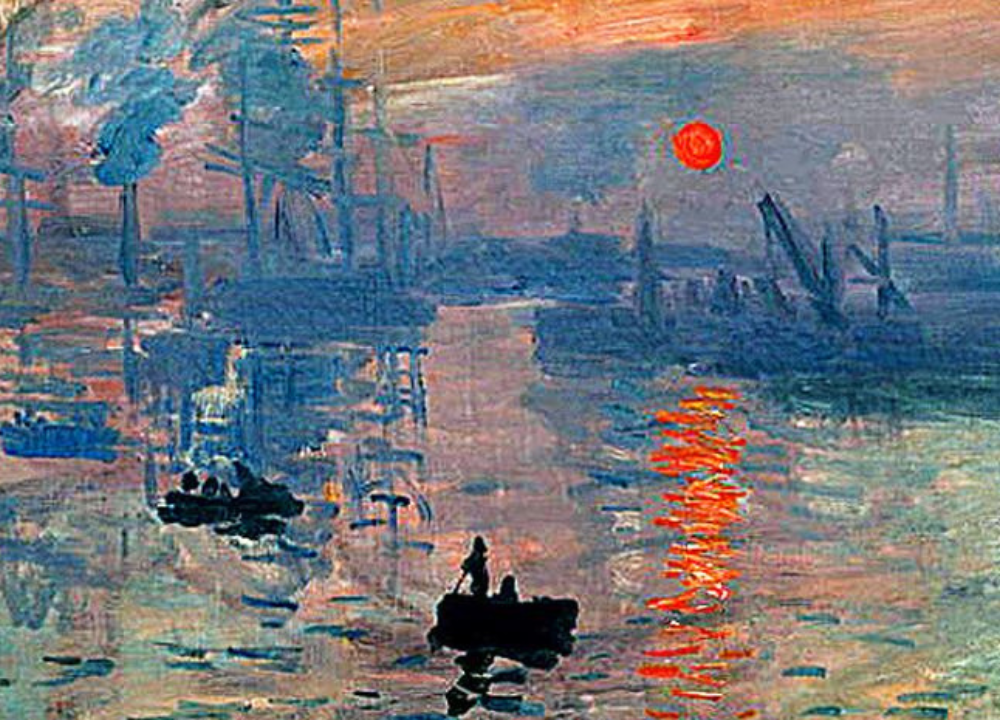
While classical painting emphasized smoothness, modern movements embraced texture as a vital tool. Impressionists, Expressionists, and Abstract artists began experimenting with thick brushstrokes and layered surfaces.
Historical developments in texture use:
- Impressionism – Visible brushstrokes captured fleeting light and movement.
- Expressionism – Rough textures conveyed raw emotion.
- Cubism – Collage introduced mixed materials and tactile surfaces.
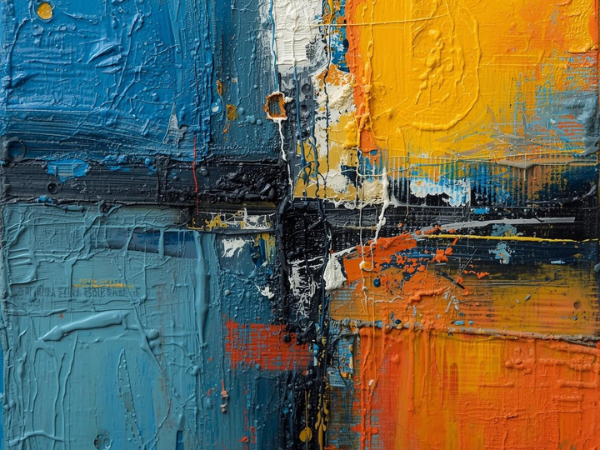
- Abstract Expressionism – Heavy impasto created dramatic energy.
- Contemporary Art – Multimedia works integrate texture with technology.
These shifts highlight how texture became central to modern painting. Instead of hiding brushwork, artists celebrated it, making surface qualities part of the narrative. Texture evolved from background detail into a defining feature of artistic identity.
Techniques Artists Use to Create Texture
Artists employ diverse methods to manipulate surface qualities. These techniques range from traditional brushwork to experimental material applications.
Common texture‑creating techniques:
- Impasto – Thick paint applied with brushes or knives.
- Dry Brush – Creates scratchy, uneven strokes.
- Collage – Adds paper, fabric, or found objects.
- Mixed Media – Combines paint with unconventional materials.
- Layering – Builds depth through multiple coats.
Each technique produces distinct effects, allowing artists to tailor texture to their vision. Whether subtle or dramatic, these methods expand the expressive possibilities of painting, making texture a versatile tool in modern art.
Emotional Impact of Textured Surfaces
Texture influences how viewers emotionally connect with a painting. Smooth surfaces often evoke calmness, while rough textures suggest intensity or chaos.
Emotional responses to texture:
- Smooth Surfaces – Serenity, clarity, and balance.
- Rough Textures – Energy, conflict, or rawness.
- Layered Surfaces – Complexity and depth of meaning.
- Glossy Finishes – Modernity and polish.
- Matte Textures – Earthiness and authenticity.
By carefully choosing textures, artists guide emotional interpretation. Texture becomes a silent communicator, shaping mood and meaning without words. This emotional dimension makes textured painting more immersive and impactful.
Texture and Light Interaction
Light plays a critical role in how texture is perceived. The way surfaces reflect or absorb light changes the visual experience of a painting.
Effects of light on textured surfaces:
- Raised Areas – Catch highlights and shadows.
- Smooth Areas – Reflect light evenly.
- Matte Surfaces – Absorb light for muted tones.
- Glossy Surfaces – Enhance vibrancy and contrast.
- Layered Textures – Create dynamic shifts under different lighting.
Texture transforms paintings into living works that change with light conditions. This interaction adds dynamism, ensuring that viewers experience new perspectives each time they encounter the piece.
Materials That Influence Surface Quality
The choice of materials directly affects texture. Modern artists experiment with traditional and unconventional supplies to achieve unique surfaces.
Materials shaping texture in painting:
- Oil Paint – Thick, versatile, and ideal for impasto.
- Acrylics – Fast‑drying, adaptable for layering.
- Sand or Grit – Adds roughness and tactile quality.
- Fabric or Paper – Introduces collage elements.
- Metallic Pigments – Create reflective surfaces.
Material selection is a creative decision that defines the painting’s character. By blending traditional and experimental elements, artists push boundaries and expand the language of texture in modern art.
Texture in Abstract and Contemporary Art
Abstract and contemporary artists often prioritize texture as a central element. It becomes a primary means of expression rather than a secondary detail.
Texture in modern movements:
- Abstract Expressionism – Heavy impasto conveys emotion.
- Minimalism – Smooth surfaces emphasize purity.
- Street Art – Rough textures reflect urban environments.
- Digital Art – Simulated textures mimic physical qualities.
- Installation Art – Combines painting with tactile experiences.
In these contexts, texture is not just visual—it is conceptual. It communicates ideas about society, identity, and environment, making it integral to contemporary artistic practice.
Viewer Engagement Through Surface Exploration
Texture invites viewers to interact more deeply with paintings. Even without touching, the eye senses tactile qualities, creating a multisensory experience.
Ways texture engages viewers:
- Visual Curiosity – Encourages closer inspection.
- Sensory Imagination – Viewers “feel” surfaces through sight.
- Narrative Depth – Texture adds layers of meaning.
- Contrast and Balance – Guides visual flow across the canvas.
- Memorable Impact – Textured works leave lasting impressions.
By engaging viewers beyond sight, texture enhances the overall experience of art. It transforms passive observation into active exploration, making paintings more immersive and memorable.
Conclusion: Why Surface Matters in Modern Painting
Texture is a vital element of modern painting, shaping how artworks are created, perceived, and remembered. It influences depth, emotion, light, and viewer engagement, making it central to artistic expression.
Key takeaways:
- Texture adds dimension and emotional resonance.
- Historical movements embraced surface qualities.
- Techniques and materials expand creative possibilities.
- Light and texture interact dynamically.
- Viewer engagement deepens through tactile qualities.
Modern painting thrives on texture because it transforms surfaces into expressive landscapes. By valuing texture, artists elevate their work from visual imagery to multisensory experiences, ensuring that surface truly matters in contemporary art.