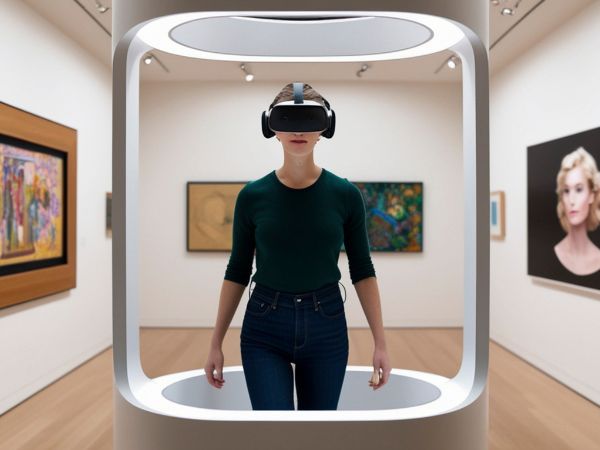
Virtual galleries are reshaping the way audiences engage with art. By combining immersive 3D technology with interactive design, these platforms allow people to explore exhibitions from anywhere in the world. They offer accessibility, creativity, and innovation, making art more inclusive and engaging than ever before.
What Are Virtual Art Galleries?
Virtual art galleries are digital spaces designed to replicate or enhance the experience of visiting a physical gallery. They use 3D modeling, interactive navigation, and multimedia integration to showcase artworks in a dynamic environment.
Defining traits of virtual art galleries:
- 3D Environments – Replicate real galleries or create imaginative spaces.
- Interactive Navigation – Visitors move through exhibits like in a physical gallery.
- Multimedia Integration – Combine images, video, and audio for deeper storytelling.
- Global Accessibility – Available to anyone with internet access.
- Customizable Layouts – Curators design unique exhibition experiences.
Together, these features make virtual galleries more than just digital catalogs. They are immersive experiences that allow audiences to connect with art in new ways, bridging the gap between tradition and technology.
The Rise of 3D Technology in Art
3D technology has become central to the evolution of virtual galleries. It enables realistic rendering of spaces and artworks, creating a sense of presence for visitors.
Key contributions of 3D technology:
- Realistic Rendering – Artworks appear with depth and texture.
- Immersive Spaces – Visitors feel like they are inside the gallery.
- Scalable Exhibitions – Galleries can expand without physical limits.
- Interactive Features – Zoom, rotate, and explore artworks in detail.
- Cross‑Platform Access – Works on computers, tablets, and VR headsets.
By leveraging 3D technology, galleries can replicate the intimacy of physical visits while offering enhanced digital experiences. This innovation makes art more engaging and accessible to global audiences.
Accessibility and Inclusivity in Virtual Galleries
Virtual galleries break down barriers to art by making exhibitions accessible to anyone, anywhere. They also support inclusivity by offering features tailored to diverse audiences.
Accessibility benefits of virtual galleries:
- Global Reach – No travel required to view exhibitions.
- Cost‑Effective Access – Free or affordable entry compared to physical galleries.
- Language Options – Multilingual interfaces for international visitors.
- Assistive Features – Screen readers, captions, and audio guides.
- Flexible Viewing – Explore at any time, without time restrictions.
These features ensure that art is no longer limited to those who can physically attend exhibitions. Virtual galleries democratize access, making cultural experiences available to broader communities worldwide.
Interactive Features That Enhance Engagement
Virtual galleries go beyond static displays by offering interactive tools that deepen engagement. Visitors can explore artworks in detail and interact with curatorial content.
Interactive features include:
- Zoom and Rotate Tools – Examine artworks closely.
- Guided Tours – Narrated experiences led by curators.
- Multimedia Layers – Videos, audio, and text enrich context.
- Social Sharing – Visitors share favorite pieces online.
- Gamification – Quizzes and challenges encourage participation.
These features transform passive viewing into active exploration. By engaging audiences in multiple ways, virtual galleries create memorable experiences that rival physical visits.
Educational Opportunities in Virtual Galleries
Virtual galleries serve as powerful educational tools, offering resources for students, teachers, and lifelong learners. They combine art appreciation with interactive learning.
Educational benefits of virtual galleries:
- Curated Learning Paths – Guided tours tailored for education.
- Multimedia Resources – Videos, lectures, and artist interviews.
- Interactive Quizzes – Reinforce knowledge through gamified learning.
- Accessible Archives – Digital collections available for research.
- Collaborative Projects – Students create and share virtual exhibitions.
By integrating education into the gallery experience, these platforms make art more approachable and engaging. They support both formal learning environments and personal exploration.
The Role of Curators in Virtual Spaces
Curators play a vital role in shaping virtual galleries. They design exhibitions that balance artistic integrity with digital innovation.
Curatorial responsibilities in virtual galleries:
- Exhibition Design – Layouts optimized for digital navigation.
- Content Integration – Multimedia elements enhance storytelling.
- Audience Engagement – Tools tailored to visitor interaction.
- Accessibility Planning – Inclusive features for diverse audiences.
- Innovation Leadership – Experimenting with new digital formats.
Curators ensure that virtual galleries remain authentic while embracing technology. Their expertise bridges the gap between traditional art presentation and modern digital experiences.
Comparing Physical and Virtual Galleries
While physical galleries offer tangible experiences, virtual galleries provide unique advantages. Comparing the two highlights how each contributes to art appreciation.
Comparison highlights:
- Physical Galleries – Tangible presence, social interaction, and atmosphere.
- Virtual Galleries – Accessibility, scalability, and interactive features.
- Shared Strengths – Curated storytelling and cultural enrichment.
- Limitations – Physical requires travel; virtual lacks tactile experience.
- Complementary Roles – Together, they expand art’s reach.
Virtual galleries don’t replace physical spaces but complement them. They extend access and offer new ways to experience art, creating a hybrid model for the future.
Future Trends in Virtual Art Experiences
The future of virtual galleries lies in emerging technologies like augmented reality (AR) and artificial intelligence (AI). These innovations promise even more immersive experiences.
Future trends include:
- AR Integration – Overlay art into real‑world environments.
- AI Curation – Personalized recommendations for visitors.
- Blockchain Authentication – Secure digital art ownership.
- Social VR Spaces – Collaborative viewing in virtual reality.
- Hybrid Exhibitions – Blending physical and digital experiences.
These trends suggest that virtual galleries will continue to evolve, offering richer, more personalized experiences. They will redefine how audiences interact with art in the digital age.
Conclusion: How Virtual Galleries Transform Art Viewing
Virtual galleries represent a transformative shift in how art is experienced. By combining accessibility, interactivity, and innovation, they make art more inclusive and engaging.
Key takeaways:
- Virtual galleries democratize access to art.
- 3D technology enhances immersion and detail.
- Interactive features deepen engagement.
- Educational opportunities expand learning.
- Future trends promise even greater innovation.
Together, these elements show that virtual galleries are not just digital replicas but powerful cultural platforms. They redefine art appreciation, ensuring that creativity reaches audiences everywhere.