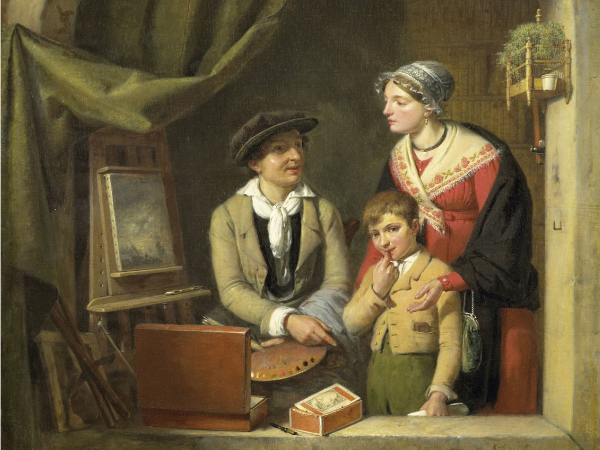
When we look at portraits from centuries past, one of the most striking details is the absence of smiles. Unlike today’s photographs, where grins and laughter dominate, old paintings often depict solemn, composed faces. This wasn’t accidental—it reflected cultural norms, artistic traditions, and social expectations of the time. Smiling was not considered appropriate for formal portraiture, and the reasons behind this choice reveal fascinating insights into history, beauty standards, and human behavior.
Why Smiling Was Uncommon in Old Portraits
Portraits in the Renaissance and Baroque eras were meant to convey dignity, seriousness, and permanence. A smile was seen as fleeting, almost frivolous, and not suitable for immortalizing someone’s image. Artists and patrons alike preferred expressions that communicated authority and composure.
- Formality of portraiture – Portraits were often commissioned for posterity, not casual enjoyment.
- Technical challenges – Capturing a natural smile in oil paint was difficult and risked looking distorted.
- Cultural associations – Smiling was linked to humor, jesters, or lower social classes.
- Longevity of image – A serious face was thought to endure time better than a fleeting grin.
This tradition reinforced the idea that portraits were not snapshots of daily life but symbols of status and legacy. Even when subjects were young or joyful, the expectation was to appear restrained and dignified.
How Portrait Traditions Shaped Facial Expressions
The conventions of portraiture dictated how people posed and what expressions were acceptable. Artists followed strict rules to ensure their work aligned with cultural ideals. Smiling was rarely part of these traditions, as it was considered inappropriate for the solemnity of art.
- Renaissance ideals – Inspired by classical statues, portraits emphasized calm, stoic beauty.
- Baroque drama – While dynamic, expressions still leaned toward seriousness.
- Royal commissions – Monarchs demanded portraits that reinforced authority, not friendliness.
- Academic training – Artists were taught to avoid exaggerated facial expressions.
These traditions shaped not only how people were painted but also how they thought about their own image. A portrait was a statement of identity, and smiling simply didn’t fit the message of power, wealth, or respectability.
Teeth, Beauty Standards, and the Art of Smiling
Another reason smiles were rare is tied to dental health and beauty standards. Before modern dentistry, teeth were often in poor condition, and showing them was considered unattractive or even shameful. Artists avoided painting teeth because they were difficult to render realistically and could distract from the elegance of the portrait.
- Dental health issues – Tooth decay and missing teeth were common.
- Aesthetic preferences – Closed lips were seen as refined and elegant.
- Artistic limitations – Teeth were hard to paint convincingly in oil.
- Symbolism – A closed mouth suggested restraint and self-control.
This avoidance of teeth reinforced the cultural idea that beauty was best expressed through subtlety. A composed face with closed lips was the ideal, while a smile risked undermining the subject’s dignity.
Social Status and Serious Expressions in Portraits
Portraits were often commissioned by wealthy patrons who wanted to project authority and sophistication. A serious expression was a marker of high status, while smiling was associated with informality or lower classes. The way someone appeared in a portrait could influence how they were remembered for generations.
- Nobility and royalty – Seriousness conveyed power and legitimacy.
- Merchants and elites – A composed face reflected success and respectability.
- Clergy and scholars – Serious expressions aligned with wisdom and piety.
- Common folk – Rarely painted, but when they were, smiles were more acceptable.
Thus, the absence of smiles was not just an artistic choice but a social one. It reinforced hierarchies and cultural expectations about how important people should look.
Religious and Cultural Attitudes Toward Smiling
Religion also influenced attitudes toward smiling. In many traditions, solemnity was linked to spirituality, while laughter and smiles were seen as worldly or even sinful. Portraits often reflected these values, especially when depicting clergy or devout patrons.
- Christian influence – Seriousness symbolized piety and moral strength.
- Cultural restraint – Smiling was considered inappropriate in formal settings.
- Symbolic meaning – A calm face represented inner virtue.
- Contrast with folk art – Everyday depictions sometimes included smiles, but not elite portraiture.
This cultural restraint meant that even when subjects were joyful in life, their portraits emphasized seriousness as a reflection of virtue and respectability.
The Role of Artists, Patrons, and Social Expectations
Artists had to balance their own style with the demands of patrons. Patrons often dictated how they wanted to be portrayed, and smiling was rarely requested. Social expectations reinforced this, as a serious portrait was seen as more respectable and timeless.
- Patron demands – Clients wanted dignity, not playfulness.
- Artistic conventions – Training discouraged exaggerated expressions.
- Social norms – Smiling was linked to informality, unsuitable for legacy portraits.
- Professional reputation – Artists risked criticism if they broke tradition.
This dynamic meant that even if an artist wanted to experiment, the weight of tradition and patron expectations kept smiles out of most portraits.
Famous Old Paintings That Break the Rule
Despite the norm, there are famous exceptions where smiles appear. These works stand out precisely because they defy tradition and capture a rare moment of human warmth.
- Leonardo da Vinci’s Mona Lisa – The most famous subtle smile in art history.
- Frans Hals’ portraits – Known for lively, smiling subjects.
- Rembrandt’s self-portraits – Occasionally show gentle smiles.
- Jan Steen’s genre scenes – Depict everyday people laughing and smiling.
These exceptions highlight how unusual smiles were in old paintings. They remind us that while tradition favored seriousness, human joy occasionally broke through, leaving us with iconic works that continue to fascinate.