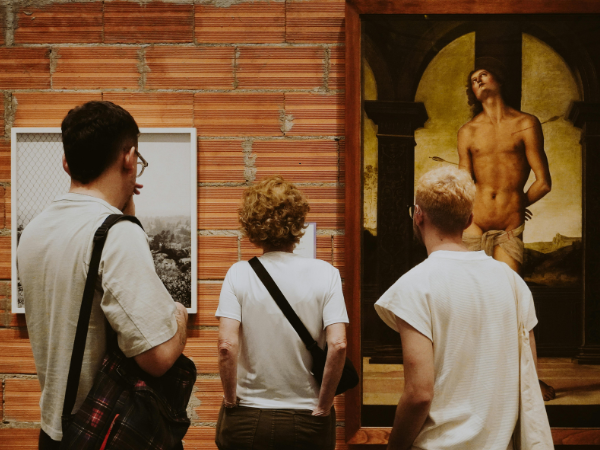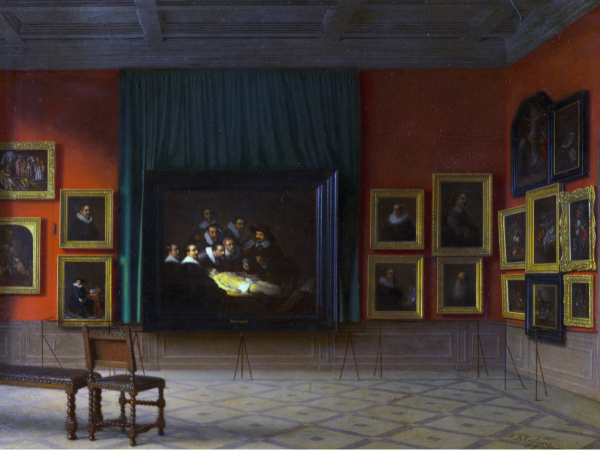
Paintings are not only artistic treasures but also fragile objects that can deteriorate when exposed to environmental stress. One of the most significant threats to their longevity is light. Museums and galleries often keep certain paintings in dimly lit or dark rooms to protect them from irreversible damage. This practice may seem unusual to visitors, but it is rooted in science and conservation principles. By controlling light exposure, curators ensure that delicate pigments, organic materials, and centuries-old canvases remain intact for future generations. Darkness, in this context, is not about hiding art but about preserving it.
How Light Can Damage Paintings
Light, especially when intense or prolonged, can cause chemical and physical changes in paintings. The damage is cumulative, meaning even small exposures add up over time. Conservators carefully monitor light levels to minimize harm.
- Fading pigments – Natural and synthetic colors lose vibrancy when exposed to strong light.
- Yellowing varnish – Protective coatings can discolor under light, altering the artwork’s appearance.
- Cracking surfaces – Heat from light sources can dry out paint layers, leading to cracks.
- Paper degradation – Works on paper are particularly vulnerable, becoming brittle and discolored.
- Organic material decay – Fabrics, wood, and adhesives used in paintings weaken under light stress.
By understanding these risks, museums adopt strict lighting policies. Even though visitors may prefer brighter displays, the priority is safeguarding the artwork’s integrity. Controlled lighting ensures that paintings retain their original beauty and historical value.
Why Museums Control Light Levels
Museums are guardians of cultural heritage, and their responsibility includes protecting artworks from environmental hazards. Light control is one of the most important conservation strategies.
- Preservation standards – International guidelines recommend specific lux levels for different materials.
- Balancing visibility – Lighting must allow visitors to appreciate details without harming the work.
- Preventing cumulative damage – Even low light can cause harm if exposure is constant.
- Special exhibitions – Rare or fragile works are often displayed under stricter conditions.
- Technology use – LED lighting and filters help reduce harmful wavelengths.
By carefully managing light, museums strike a balance between accessibility and preservation. Visitors may notice dim rooms or restricted lighting, but these measures are essential to ensure that masterpieces remain viewable for centuries to come.
Which Paintings Are Most Sensitive to Light?
Not all artworks react to light in the same way. Some materials are inherently more vulnerable, requiring extra care.
- Watercolors – The delicate pigments fade quickly under light exposure.
- Pastels – Powdery textures are highly sensitive to environmental changes.
- Ink drawings – Organic inks can discolor or vanish entirely.
- Textile-based art – Fabrics incorporated into paintings degrade under UV rays.
- Early photographs – These are extremely light-sensitive and often displayed in near-darkness.
Museums identify these high-risk works and adjust their display conditions accordingly. While oil paintings are generally more resilient, they are not immune to damage. Understanding material sensitivity helps curators design protective environments that extend the lifespan of fragile art.
Does UV Light Fade Artwork?
Ultraviolet (UV) radiation is one of the most destructive forms of light for paintings. Unlike visible light, UV rays penetrate deeply and trigger chemical reactions.
- Pigment breakdown – UV accelerates fading in organic and synthetic colors.
- Paper brittleness – UV exposure weakens cellulose fibers, causing cracks.
- Photographic damage – Early prints and negatives are highly vulnerable.
- Varnish deterioration – Protective coatings lose transparency under UV stress.
- Canvas weakening – Natural fibers degrade faster when exposed to UV.
Museums combat UV damage by using filters, specialized glass, and controlled lighting systems. By eliminating harmful wavelengths, they reduce the risk of fading and structural deterioration. This ensures that artworks retain their original vibrancy and detail.
How Museums Protect Paintings From Light Damage
Conservation teams employ multiple strategies to shield paintings from harmful light. These measures combine science, technology, and curatorial expertise.
- UV-filtered glass – Frames and cases block damaging rays.
- LED lighting – Modern bulbs emit less heat and fewer harmful wavelengths.
- Timed exposure – Lights are only switched on when visitors are present.
- Rotating displays – Fragile works are shown for limited periods.
- Environmental monitoring – Sensors track light levels and adjust conditions.
These protective methods allow museums to showcase art responsibly. While visitors may notice dim lighting or restricted access, these precautions are vital for long-term preservation. Protecting paintings from light ensures that cultural treasures remain intact for future study and enjoyment.
Why Some Exhibits Need Very Low Lighting
Certain exhibitions are intentionally kept in near-darkness. This is not to obscure the art but to protect it from irreversible harm.
- Fragile materials – Works on paper, textiles, and photographs demand minimal light.
- Rare artifacts – Unique pieces are displayed under strict conservation rules.
- Temporary shows – Special exhibitions often use dim lighting to reduce cumulative exposure.
- Scientific studies – Research confirms that low light slows deterioration.
- Visitor education – Dim rooms highlight the importance of preservation.
Low lighting creates a unique atmosphere, encouraging visitors to engage more thoughtfully with the art. It also emphasizes the delicate nature of cultural heritage, reminding audiences that preservation sometimes requires compromise in visibility.
Can Paintings Be Displayed in Bright Rooms?
While bright rooms may seem appealing, they pose significant risks to paintings. Museums rarely allow high light levels unless the artwork is resilient.
- Oil paintings – More durable but still vulnerable to long-term exposure.
- Modern acrylics – Resistant to fading but not immune to UV damage.
- Temporary displays – Bright lighting may be used briefly for special events.
- Filtered systems – Bright rooms can be safe if UV and infrared rays are blocked.
- Visitor experience – Brightness enhances visibility but must be balanced with preservation.
Ultimately, the decision depends on the artwork’s material and condition. Museums prioritize conservation over aesthetics, ensuring that even in brighter rooms, protective measures are in place. This careful balance allows art to be appreciated without sacrificing its future.