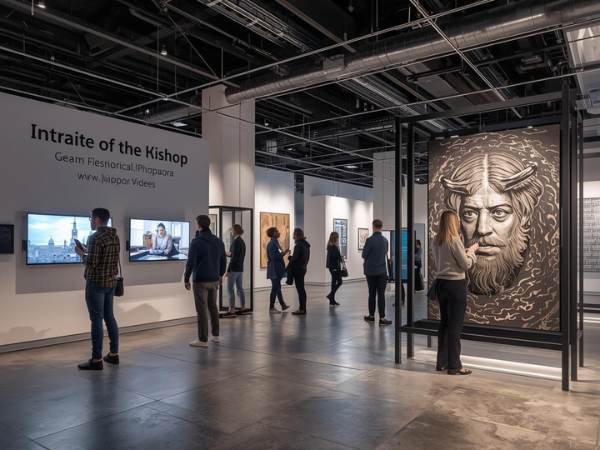
Curating a virtual exhibition is both an art and a science. It requires careful planning, storytelling, and technical execution to ensure that audiences feel engaged even without stepping into a physical gallery.
Defining the Purpose of Your Virtual Exhibition
Every successful exhibition begins with a clear purpose. Ask yourself: What story do I want to tell? Whether you are showcasing historical events, cultural traditions, or personal narratives, defining the mission ensures that your exhibition resonates with audiences.
- Clarify your exhibition’s theme (people, places, events).
- Identify the audience you want to reach.
- Decide whether the exhibition is educational, commemorative, or artistic.
- Establish measurable goals (engagement, awareness, preservation).
- Consider accessibility and inclusivity from the start.
By setting a strong foundation, you create a roadmap that guides every decision, from content selection to platform choice. A well-defined purpose also helps maintain consistency and prevents the exhibition from becoming scattered or unfocused.
Selecting the Right Platform and Tools
Choosing the right platform is crucial for delivering a seamless experience. Virtual exhibitions can be hosted on museum websites, specialized platforms, or interactive tools like ThingLink and ArtPlacer. Each option offers different levels of customization, interactivity, and scalability.
- Website-based galleries for full control.
- Third-party platforms with built-in templates.
- Interactive tools for immersive storytelling.
- Social media integration for wider reach.
- Analytics dashboards to track visitor engagement.
The platform you select should match your technical skills and resources. For example, museums may prefer robust platforms with advanced features, while independent curators might opt for user-friendly tools.
Gathering and Organizing Content
Content is the heart of any exhibition. Curators must carefully select materials that represent people, places, and events authentically.
- Collect photographs, artworks, and archival materials.
- Record oral histories or interviews.
- Include maps, timelines, and contextual documents.
- Organize content into thematic categories.
- Ensure proper metadata and captions for clarity.
Organizing content is as important as collecting it. A scattered presentation can confuse audiences, while a structured narrative enhances comprehension. Think of your exhibition as a book: each section should flow logically into the next.
Designing the Narrative Flow
A virtual exhibition must guide visitors through a story. Narrative flow ensures that audiences understand the connections between people, places, and events. Without it, the exhibition risks becoming a random collection of items.
- Start with an introduction that sets the tone.
- Use chronological or thematic sequencing.
- Highlight key turning points or milestones.
- Balance text with visuals for readability.
- End with a reflective or forward-looking conclusion.
Narrative design transforms static content into a dynamic journey. For example, an exhibition about migration might begin with personal stories, move into maps of travel routes, and conclude with cultural contributions.
Incorporating Multimedia Elements
Multimedia enhances engagement by appealing to multiple senses. Virtual exhibitions can integrate audio, video, and interactive features to create immersive experiences that go beyond static images.
- Audio recordings of interviews or music.
- Video documentaries or event footage.
- Interactive maps and timelines.
- 3D models of artifacts or places.
- Augmented reality features for deeper immersion.
Multimedia elements should complement the story rather than overwhelm it. For instance, a short video clip can bring historical events to life, while audio recordings can add emotional depth.
Ensuring Accessibility and Inclusivity
Accessibility is essential for reaching a broad audience. A virtual exhibition should be designed to accommodate people with different abilities, languages, and technological access levels.
- Provide alt text for images.
- Include captions and transcripts for videos.
- Offer multilingual options.
- Ensure mobile-friendly design.
- Use clear navigation and readable fonts.
Inclusivity goes beyond technical accessibility. It involves representing diverse voices and perspectives within the exhibition.
Promoting Your Exhibition Online
Even the most beautifully curated exhibition needs promotion. Digital marketing ensures that your work reaches the intended audience and generates meaningful engagement.
- Social media campaigns with visuals.
- Email newsletters to subscribers.
- Collaborations with influencers or institutions.
- Press releases and blog features.
- Paid ads for targeted reach.
Promotion should be consistent and strategic. Highlight key features of your exhibition, such as interactive elements or unique stories.
Engaging Visitors Through Interaction
Audience engagement is the hallmark of a successful virtual exhibition. Interactive features encourage visitors to participate actively rather than passively consume content.
- Live Q&A sessions with curators.
- Interactive polls or quizzes.
- Comment sections for visitor feedback.
- Virtual tours guided by experts.
- Gamified experiences for younger audiences.
Engagement fosters community and dialogue. Visitors who interact with the exhibition are more likely to remember it and share it with others.
Evaluating and Preserving the Exhibition
Evaluation ensures that your exhibition meets its goals, while preservation guarantees its longevity. Together, they form the final step in curating a meaningful digital experience.
- Collect visitor analytics and feedback.
- Assess whether goals were achieved.
- Document the exhibition for archival purposes.
- Update content periodically for relevance.
- Preserve digital files in secure formats.
Preservation is especially important for exhibitions about people, places, and events, as they serve as cultural records. By evaluating and preserving your work, you ensure that future audiences can continue to learn from and engage with your exhibition.