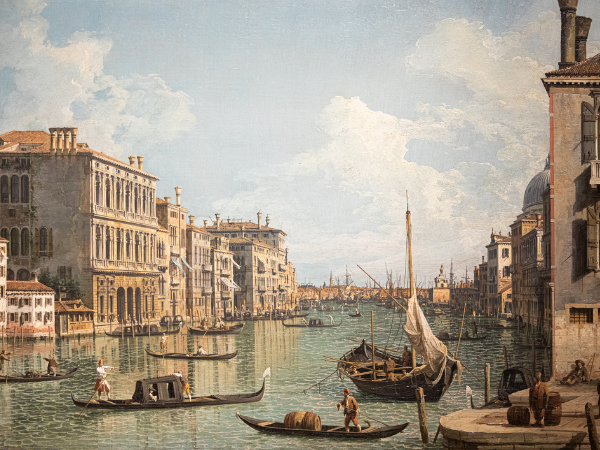
Art history is filled with stories of masterpieces that vanished mysteriously, only to resurface decades or even centuries later. These rediscoveries often spark excitement among scholars, collectors, and the public, as they provide fresh insight into the creative genius of legendary artists. The journey of a lost painting—from disappearance to rediscovery—reveals not only the fragility of cultural heritage but also the resilience of human curiosity and dedication to preservation.
Why Do Famous Paintings Go Missing?
Paintings can go missing for a variety of reasons, ranging from theft and war to neglect and misidentification. Some works are stolen during conflicts, while others disappear into private collections, forgotten in dusty attics or mislabeled in archives. The mystery surrounding lost art often adds to its allure, making rediscovery a moment of triumph for historians and art lovers alike.
- Theft during wars – Many masterpieces vanished during World War II and other conflicts.
- Private collections – Some works were hidden away by collectors, only resurfacing generations later.
- Misidentification – Paintings sometimes sit unnoticed in museums under the wrong attribution.
- Neglect – Works stored improperly can be forgotten until rediscovered.
- Natural disasters – Fires, floods, and earthquakes have destroyed or displaced countless artworks.
The disappearance of art is a reminder of how fragile cultural treasures can be. Yet, each rediscovery rekindles appreciation for the artist’s vision and the historical moment captured on canvas.
Portrait of a Young Man — Rediscovered After Decades
Raphael’s Portrait of a Young Man is one of the most famous lost paintings, believed to have been stolen during World War II. While its exact whereabouts remain uncertain, similar rediscoveries of Renaissance works highlight the possibility that this masterpiece may one day reappear.
- Artist – Painted by Raphael, a master of the High Renaissance.
- Disappearance – Stolen from Poland during WWII.
- Cultural value – Considered one of Raphael’s greatest portraits.
- Rediscovery hopes – Art historians continue to search for clues.
- Symbolism – Represents the humanist ideals of the Renaissance.
Though not yet found, the ongoing search for Raphael’s masterpiece reflects humanity’s determination to recover lost cultural treasures.
The Just Judges — A Lost Masterpiece Still Being Sought
Part of the Ghent Altarpiece by Jan van Eyck, The Just Judges panel was stolen in 1934 and has never been recovered. Its absence leaves a gap in one of the most important works of European art.
- Artist – Painted by Jan van Eyck in the 15th century.
- Theft – Stolen from St. Bavo’s Cathedral in Ghent.
- Cultural impact – The missing panel disrupts the unity of the altarpiece.
- Search efforts – Numerous investigations have failed to locate it.
- Legacy – Its story remains one of the greatest mysteries in art history.
The missing panel continues to inspire speculation, novels, and films, keeping its legend alive even in absence.
Salvator Mundi — From Forgotten Painting to Major Discovery
Leonardo da Vinci’s Salvator Mundi was long thought lost or misattributed until it resurfaced in 2005. After restoration and authentication, it became one of the most expensive paintings ever sold.
- Artist – Created by Leonardo da Vinci around 1500.
- Rediscovery – Found in a private collection in the U.S.
- Restoration – Careful cleaning revealed Leonardo’s hand.
- Auction – Sold for $450 million in 2017.
- Controversy – Some scholars question its attribution.
This rediscovery shows how forgotten works can transform into cultural icons once authenticated.
The Nativity — Caravaggio’s Lost Masterpiece
Caravaggio’s Nativity with St. Francis and St. Lawrence was stolen in 1969 from a church in Palermo, Sicily. Despite decades of searching, it remains missing, though replicas and digital reconstructions keep its memory alive.
- Artist – Painted by Caravaggio in 1609.
- Theft – Stolen by the Sicilian mafia.
- Cultural loss – Considered one of Caravaggio’s greatest works.
- Search efforts – Interpol and Italian authorities continue investigations.
- Legacy – Caravaggio’s dramatic style influenced countless artists.
Its disappearance remains one of the most notorious art thefts in history.
The Concert — A Vermeer Lost to History
Johannes Vermeer’s The Concert was stolen in 1990 from the Isabella Stewart Gardner Museum in Boston. It remains missing, making it one of the most valuable unrecovered stolen artworks.
- Artist – Painted by Vermeer in the 1660s.
- Theft – Stolen in the infamous Gardner Museum heist.
- Value – Estimated worth over $200 million.
- Search efforts – FBI continues to investigate.
- Cultural impact – Its absence is deeply felt in art history.
The Gardner heist remains unsolved, making The Concert a symbol of lost cultural heritage.
The Garden of the Earthly Delights — Lost Works and Their Stories
While Hieronymus Bosch’s The Garden of Earthly Delights survives, several of his other works have been lost or destroyed. Rediscoveries of Bosch’s paintings highlight the fragile survival of medieval art.
- Artist – Bosch’s surreal masterpiece still exists.
- Lost works – Many of his paintings disappeared over centuries.
- Rediscoveries – Some works resurfaced in private collections.
- Symbolism – His art is rich in allegory and mystery.
- Legacy – Bosch influenced surrealism and modern art.
The survival and rediscovery of Bosch’s works remind us of the delicate balance between preservation and loss in art history.


