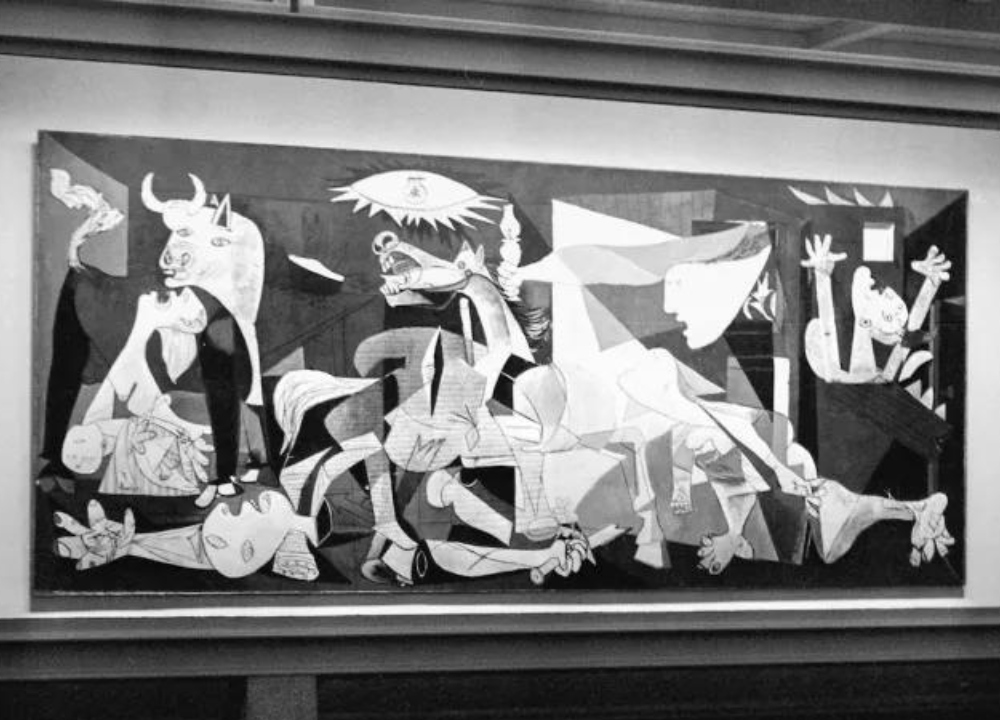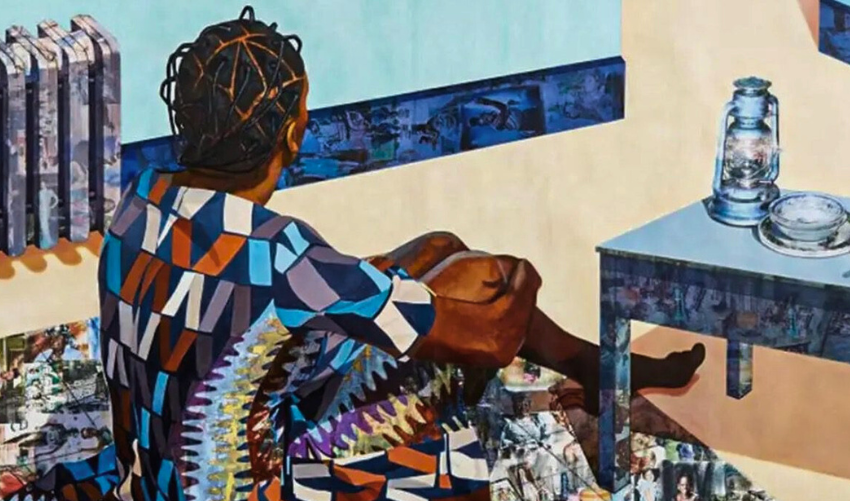
Art has always been a reflection of human imagination, but the tools we use to create it have evolved dramatically. From the tactile feel of brushes and canvas to the sleek precision of styluses and tablets, artists today face a unique choice: pursue traditional methods rooted in centuries of practice, or embrace digital platforms that offer limitless possibilities.
1. The Essence of Traditional Art
Traditional art encompasses painting, drawing, sculpture, and printmaking — all created with physical materials. It’s the foundation of art history and remains deeply valued for its authenticity and tactile qualities.
- Materials: Canvas, paper, brushes, paints, charcoal, clay.
- Process: Hands-on, often slower, requiring patience and craftsmanship.
- Experience: Direct sensory engagement — the smell of oils, the texture of paper, the resistance of brush strokes.
- Uniqueness: Each piece is one-of-a-kind, with imperfections adding character.
- Cultural Value: Traditional works often carry prestige in galleries and museums.
Traditional art connects the artist physically to their creation, offering a sense of permanence and originality that digital mediums can’t replicate. For many, the ritual of preparing materials and working with tangible tools is inseparable from the creative process.
2. The Rise of Digital Art
Digital art emerged in the late 20th century and has since exploded with the advent of tablets, styluses, and advanced software. It allows artists to experiment freely, undo mistakes instantly, and share work globally.
- Tools: Graphic tablets, styluses, software like Photoshop, Procreate, Illustrator.
- Flexibility: Layers, filters, and brushes simulate countless styles.
- Efficiency: Faster workflows with options to edit, resize, and replicate.
- Accessibility: Easy sharing on social media, online galleries, and marketplaces.
- Innovation: Integration with animation, 3D modeling, and AI-assisted design.
Digital art democratizes creativity, enabling artists to reach audiences without the barriers of galleries or physical exhibitions. It’s especially appealing to younger generations who value speed, adaptability, and global exposure.
3. Comparing Tools and Techniques
The tools you choose shape your artistic process. Traditional and digital mediums each offer distinct advantages and challenges.
- Traditional Tools: Brushes, pencils, inks, canvases, sculpting tools.
- Digital Tools: Stylus pens, tablets, software with customizable brushes.
- Learning Curve: Traditional requires mastery of physical techniques; digital requires technical fluency.
- Durability: Traditional works can last centuries with proper care; digital files rely on storage and backups.
- Cost: Traditional materials can be expensive and consumable; digital tools are costly upfront but reusable.
Choosing between these tools depends on whether you value tactile craftsmanship or technological versatility. Many artists experiment with both, finding that hybrid approaches expand their creative range.
4. Emotional Connection and Artistic Identity
Art isn’t just about output — it’s about how the artist feels during creation. Emotional connection plays a huge role in choosing a medium.
- Traditional: Offers intimacy, grounding, and a sense of timelessness.
- Digital: Provides freedom, experimentation, and adaptability.
- Audience Perception: Traditional is often seen as “authentic”; digital is viewed as “innovative.”
- Personal Identity: Artists may align with heritage and tradition or embrace modernity and technology.
- Creative Flow: Traditional encourages slower, mindful creation; digital supports rapid iteration.
Ultimately, the medium you choose reflects your personality. Some artists thrive on the tactile ritual of traditional art, while others find joy in the limitless experimentation of digital platforms.
5. Accessibility and Learning Curve
Accessibility is a major factor in deciding which path to pursue.
- Traditional Art: Requires physical space, materials, and often formal training.
- Digital Art: Requires hardware and software but offers tutorials, online courses, and communities.
- Cost Considerations: Traditional supplies must be replenished; digital tools are a one-time investment with updates.
- Learning Resources: Digital platforms provide instant feedback and global collaboration.
- Inclusivity: Digital art lowers barriers for those without access to studios or galleries.
Digital art is often more accessible to beginners, while traditional art demands patience and investment. However, both paths reward dedication and practice.
6. Market Value and Career Opportunities
Artists often consider how their medium impacts career prospects.
- Traditional Art: Valued in galleries, auctions, and private collections.
- Digital Art: Thrives in gaming, animation, advertising, NFTs, and online commissions.
- Income Streams: Traditional artists sell originals; digital artists sell prints, licenses, and digital assets.
- Global Reach: Digital platforms allow instant exposure to international audiences.
- Longevity: Traditional works hold cultural prestige; digital works dominate modern industries.
Career opportunities differ widely. Traditional art appeals to collectors and institutions, while digital art aligns with commercial industries and online markets.
7. Hybrid Approaches: Blending Digital and Traditional
Many artists combine both mediums to maximize creativity.
- Mixed Media: Combining digital sketches with traditional painting.
- Digital Enhancement: Scanning traditional works for editing or color correction.
- Printmaking: Creating digital designs and producing physical prints.
- Animation: Using traditional drawings as frames for digital animation.
- Collaboration: Sharing hybrid works across platforms for broader appeal.
Hybrid approaches allow artists to enjoy the tactile satisfaction of traditional art while leveraging digital tools for efficiency and exposure.
8. Cultural Perceptions and Audience Engagement
How audiences perceive art influences its reception.
- Traditional Art: Seen as authentic, timeless, and prestigious.
- Digital Art: Viewed as innovative, modern, and accessible.
- Generational Divide: Older audiences may prefer traditional; younger audiences embrace digital.
- Engagement: Digital art thrives on social media interaction; traditional art relies on exhibitions.
- Cultural Shifts: Digital art is increasingly accepted in galleries and museums.
Audience perception is evolving, with digital art gaining legitimacy alongside traditional masterpieces. Artists must consider how their chosen medium resonates with their intended audience.
9. Choosing the Path That Fits Your Style
Ultimately, the choice between digital and traditional art depends on your goals, personality, and creative vision.
- Ask Yourself: Do you value tactile craftsmanship or technological versatility?
- Consider Your Audience: Are you aiming for galleries or global online reach?
- Evaluate Your Workflow: Do you prefer slow, mindful creation or rapid experimentation?
- Think Long-Term: Which medium aligns with your career aspirations?
- Stay Flexible: Remember that hybrid approaches are valid and rewarding.
The best path is the one that feels authentic to you. Whether you choose traditional, digital, or a blend of both, your art should reflect your identity and passion.
Conclusion
Digital and traditional art are not rivals but complementary paths. Traditional art offers authenticity, tactile connection, and cultural prestige, while digital art provides flexibility, accessibility, and global reach.