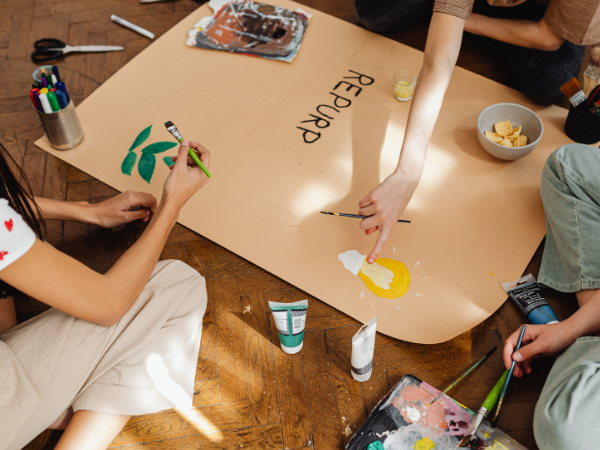
Art competitions are more than just contests—they are platforms where teenagers can express creativity, gain confidence, and receive recognition for their talents.
Understanding the Value of Art Competitions
Art competitions are not just about winning—they help teens grow as artists and individuals. Participating builds confidence, teaches discipline, and provides valuable feedback from judges and peers.
Key Benefits:
- Recognition – Awards and exhibitions boost visibility and credibility.
- Scholarships & Opportunities – Many competitions offer financial aid or mentorship programs.
- Portfolio Development – Entries can be used for college applications or professional portfolios.
- Networking – Teens meet peers, mentors, and professionals in the art community.
- Personal Growth – Competitions encourage resilience, patience, and creative risk‑taking.
In summary, competitions are stepping stones that help teens transition from hobbyists to serious artists.
Researching Competitions and Eligibility
Not all competitions are the same. Teens must research carefully to find contests that match their age, skill level, and artistic style.
Research Tips:
- Age Categories – Many competitions divide groups (e.g., 12–13, 14–15, 16–18 years).
- Art Forms – Options include painting, drawing, sculpture, photography, and digital art.
- Deadlines – Track submission dates to avoid last‑minute stress.
- Rules & Formats – Understand size limits, themes, and submission methods.
- Reputation – Choose competitions recognized by schools or art organizations.
By selecting the right competition, teens maximize their chances of success and relevance.
Building a Strong Artistic Portfolio
A portfolio is more than just a collection of drawings or paintings—it’s a carefully curated showcase of skill, creativity, and growth. Judges and admissions officers look for consistency, originality, and technical ability, but they also want to see how an artist evolves over time.
Portfolio Essentials:
- Variety of Work – Include different mediums and styles.
- Best Pieces – Quality over quantity; highlight strongest works.
- Theme Consistency – Some competitions prefer cohesive collections.
- Documentation – Photograph or scan artwork clearly for digital submissions.
- Progression – Show growth over time to impress judges.
A well‑curated portfolio demonstrates professionalism and readiness.
Practicing Consistently and Refining Skills
Daily practice builds confidence and technical ability. Teens should treat preparation like training for a sport.
Practice Strategies:
- Daily Sketching – Improves hand control and creativity.
- Timed Exercises – Mimic competition deadlines.
- Experimentation – Try new techniques and mediums.
- Feedback Sessions – Seek critiques from teachers or peers.
- Study Masters – Learn from famous artists’ styles and methods.
Consistent practice ensures teens are ready to perform under pressure.
Preparing Artwork for Submission
Submitting artwork to a competition is more than just handing in a piece—it’s about presenting it in the best possible way. Judges often evaluate not only the creativity and technical skill of the work but also how well it is prepared, packaged, and aligned with competition guidelines.
Submission Tips:
- Follow Guidelines – Respect size, format, and theme rules.
- High‑Quality Images – For digital entries, use clear, well‑lit photos.
- Labeling – Name works correctly as required.
- Packaging – Protect physical artwork during transport.
- Backup Copies – Keep digital files safe in case of technical issues.
By following guidelines, protecting the work, and adding thoughtful presentation details, teens can ensure their art is judged fairly and leaves a lasting impression.
Managing Stress and Building Confidence
Art competitions can be exciting but also stressful for teens. The pressure to perform, the fear of judgment, and the uncertainty of results can create anxiety that affects both creativity and confidence. Learning how to manage stress is just as important as refining artistic skills.
Confidence Boosters:
- Positive Mindset – Focus on growth, not just winning.
- Visualization – Imagine presenting successfully.
- Breathing Exercises – Calm nerves before submission or judging.
- Support System – Rely on family and friends for encouragement.
- Celebrate Effort – Recognize the achievement of participation itself.
Together, these strategies help teens transform stress into motivation and confidence. By focusing on preparation, self‑care, and emotional resilience, they can approach competitions with calm determination.
Learning from Feedback and Results
One of the most valuable aspects of participating in art competitions is the opportunity to learn from feedback and outcomes. Whether a teen wins, places, or simply participates, each result provides insight into their artistic journey.
Feedback Use:
- Judge Comments – Apply critiques to future work.
- Peer Comparison – Learn from other entries.
- Self‑Reflection – Identify strengths and weaknesses.
- Resilience – Accept setbacks as part of growth.
- Continuous Improvement – Use results to refine portfolio.
Together, these strategies transform competitions into more than just contests—they become structured learning opportunities.
Long‑Term Benefits and Career Pathways
Participating in art competitions during the teenage years can have a lasting impact that extends far beyond the immediate thrill of winning or showcasing talent.
Career Advantages:
- College Applications – Awards strengthen resumes.
- Scholarships – Financial support for art education.
- Professional Exposure – Exhibitions attract galleries and mentors.
- Confidence in Careers – Builds resilience for creative industries.
- Global Opportunities – International contests expand horizons.
They not only open doors to education and career pathways but also instill a lifelong sense of creativity, discipline, and cultural engagement that benefits teens well into adulthood.
Final Thoughts
Art competitions for teens in 2026 are more accessible and rewarding than ever. With proper preparation—researching contests, building portfolios, practicing daily, and managing stress—young artists can shine on both local and global stages. Winning is valuable, but the true reward lies in growth, confidence, and the opportunities that follow.