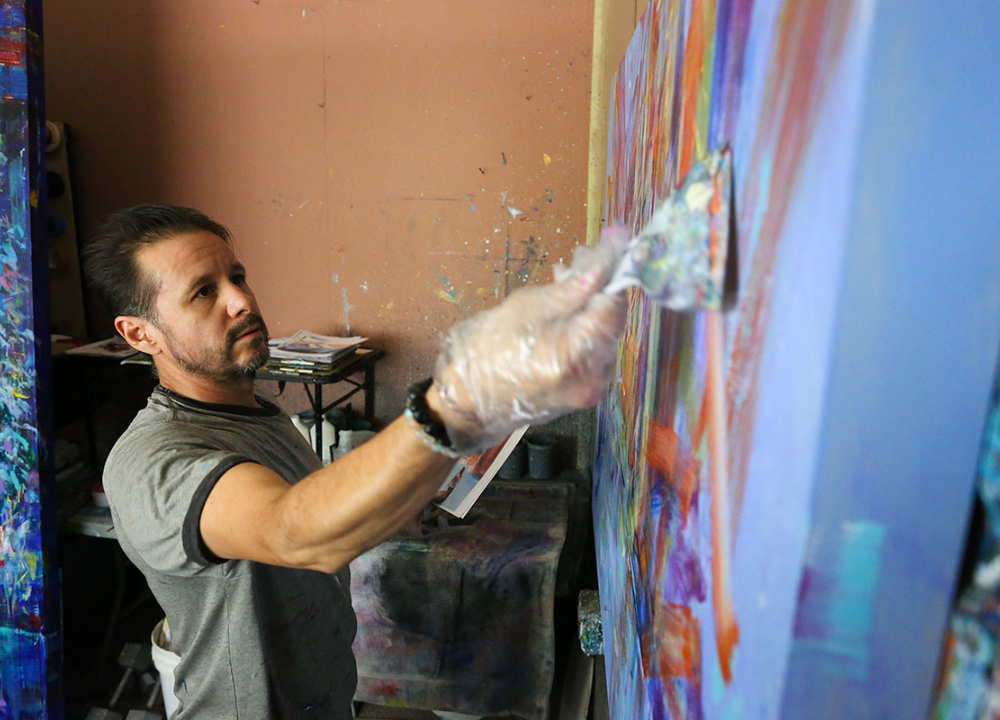
Virtual exhibitions have transformed the way artists share their work, moving creativity from physical galleries into immersive digital platforms. This shift has opened new opportunities for accessibility, global reach, and innovative presentation styles. In 2026, artists are thriving in these virtual spaces, blending tradition with technology to create experiences that resonate worldwide.
The Rise of Virtual Exhibitions in Contemporary Art
Virtual exhibitions have become a cornerstone of modern art presentation, offering artists new ways to showcase their work beyond physical limitations.
Key drivers of virtual exhibition growth:
- Global Accessibility – Audiences can view art from anywhere in the world.
- Cost Efficiency – Lower overhead compared to physical galleries.
- Immersive Technology – VR and AR enhance the viewing experience.
- Interactive Features – Chat rooms, guided tours, and live Q&A sessions.
- Pandemic Influence – Accelerated adoption during global restrictions.
Virtual exhibitions are not just substitutes for galleries—they are evolving into unique artistic experiences. By combining digital storytelling with interactive design, artists can reach audiences who may never step into a traditional museum.
Why Artists Are Embracing Digital Platforms
Artists are increasingly drawn to digital platforms because they offer flexibility, creative freedom, and direct audience engagement.
Reasons artists embrace digital platforms:
- Expanded Reach – Access to international audiences.
- Creative Experimentation – Integration of multimedia and interactive elements.
- Direct Sales Channels – NFTs and online marketplaces.
- Community Building – Social media integration fosters dialogue.
- Archival Benefits – Digital exhibitions preserve works indefinitely.
Digital platforms empower artists to bypass traditional gatekeepers and connect directly with audiences. This democratization of art allows emerging voices to thrive alongside established names, reshaping the cultural landscape.
Tools and Technologies Powering Virtual Exhibitions
Behind every successful virtual exhibition lies a suite of innovative tools and technologies.
Essential technologies for virtual exhibitions:
- Virtual Reality (VR) – Immersive gallery experiences.
- Augmented Reality (AR) – Overlaying digital art in real spaces.
- 3D Modeling Software – Creating lifelike exhibition spaces.
- Streaming Platforms – Hosting live artist talks and performances.
- Blockchain – Securing digital ownership through NFTs.
These tools allow artists to push boundaries, blending traditional artistry with cutting‑edge tech. By mastering these platforms, creators can craft exhibitions that feel both futuristic and deeply personal.
Benefits of Virtual Exhibitions for Artists
Virtual exhibitions provide artists with unique advantages that traditional galleries cannot match.
Key benefits for artists:
- Lower Costs – Reduced need for physical space and logistics.
- Creative Control – Artists design their own digital environments.
- Global Exposure – Reach audiences across continents.
- Accessibility – Inclusive experiences for diverse audiences.
- Analytics – Track visitor engagement and preferences.
These benefits empower artists to experiment freely while maintaining control over their work. Virtual exhibitions are not just a trend—they are a sustainable model for the future of art.
Challenges Artists Face in Virtual Spaces
Despite their advantages, virtual exhibitions present challenges that artists must navigate.
Common challenges in virtual exhibitions:
- Technical Barriers – Learning complex software.
- Audience Adaptation – Convincing viewers to embrace digital art.
- Monetization Issues – Balancing free access with revenue.
- Authenticity Concerns – Replicating the aura of physical art.
- Digital Fatigue – Overexposure to screens.
Artists who overcome these challenges often find new opportunities for growth. By blending creativity with adaptability, they can thrive in digital spaces while maintaining artistic integrity.
Case Studies: Artists Thriving Online
Several artists have successfully transitioned from studio to screen, showcasing the potential of virtual exhibitions.
Examples of thriving digital artists:
- Refik Anadol – Uses AI and data visualization in immersive installations.
- Beeple – Digital artist known for NFT success.
- Marina Abramović – Explores performance art in virtual formats.
- TeamLab – Japanese collective creating interactive digital environments.
- David Hockney – Adapts traditional art into digital exhibitions.
These case studies highlight how diverse artistic practices can flourish online. From performance art to digital design, virtual spaces provide fertile ground for innovation.
Audience Engagement in Virtual Exhibitions
Engaging audiences is critical to the success of virtual exhibitions.
Effective audience engagement strategies:
- Interactive Tours – Guided experiences with narration.
- Live Q&A Sessions – Direct dialogue between artists and viewers.
- Gamification – Reward systems for exploration.
- Social Media Integration – Sharing highlights across platforms.
- Community Forums – Spaces for discussion and feedback.
Audience engagement transforms passive viewing into active participation. By fostering dialogue and interaction, artists build lasting connections with their audiences.
The Future of Virtual Exhibitions in 2026 and Beyond
Virtual exhibitions are evolving rapidly, with new technologies shaping their future.
Future trends in virtual exhibitions:
- AI‑Curated Shows – Personalized recommendations for viewers.
- Metaverse Integration – Art galleries within virtual worlds.
- Hybrid Exhibitions – Combining physical and digital experiences.
- Sustainability Focus – Reducing carbon footprint through digital events.
- Global Collaborations – Artists working together across borders.
The future of virtual exhibitions promises even greater accessibility and innovation. As technology advances, artists will continue to redefine how audiences experience art.
Final Thoughts: From Studio to Screen
The journey from studio to screen reflects a broader cultural shift in how art is created and consumed.
Key takeaways from this transformation:
- Accessibility – Art is available to anyone, anywhere.
- Innovation – Technology expands creative possibilities.
- Resilience – Artists adapt to changing circumstances.
- Community – Digital platforms foster global dialogue.
- Sustainability – Virtual exhibitions reduce environmental impact.
Ultimately, virtual exhibitions are not replacing traditional art spaces—they are expanding them. By embracing digital platforms, artists ensure their work thrives in both physical and virtual worlds.