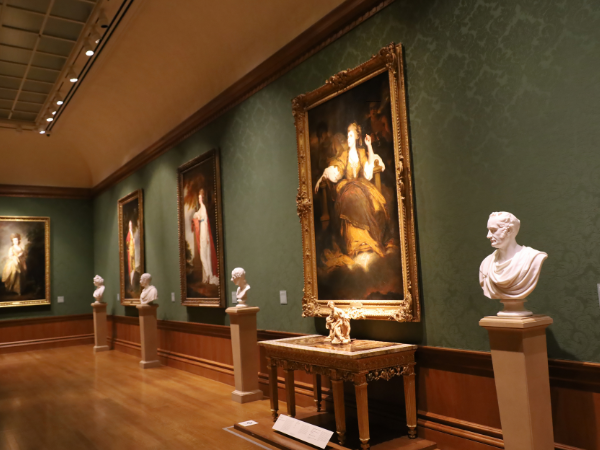
Art museums are more than just buildings filled with paintings and sculptures—they are cultural landmarks that preserve human creativity, history, and imagination. Visiting the world’s greatest art museums allows you to experience masterpieces up close, understand diverse artistic traditions, and immerse yourself in the stories behind each work. From ancient artifacts to modern installations, these institutions showcase the evolution of art across centuries and continents. Below is a comprehensive guide to nine of the best art museums you must visit, each offering a unique journey into the world of artistic excellence.
The Louvre Museum, Paris
The Louvre in Paris is the most visited art museum in the world, renowned for its vast collection that spans thousands of years of human history. Originally a royal palace, it became a public museum in 1793 and now houses over 35,000 works of art.
- Famous Masterpieces – Home to the Mona Lisa by Leonardo da Vinci and the Venus de Milo.
- Diverse Collections – Includes Egyptian antiquities, Islamic art, Renaissance paintings, and sculptures.
- Architectural Icon – The glass pyramid entrance designed by I.M. Pei is a modern symbol of Paris.
- Expansive Galleries – Covering 782,000 square feet, making it one of the largest museums globally.
- Global Influence – A benchmark for art institutions worldwide.
Visiting the Louvre is not just about seeing famous works—it’s about experiencing the breadth of human creativity. Its collections reflect the evolution of civilizations, making it a must-see for anyone passionate about art and history.
The Metropolitan Museum of Art, New York
The Metropolitan Museum of Art, or “The Met,” is America’s largest art museum and a cornerstone of New York City’s cultural identity. Founded in 1870, it offers a collection that spans 5,000 years.
- Iconic Collections – Egyptian mummies, European paintings, and American decorative arts.
- Costume Institute – Famous for its annual Met Gala and fashion exhibitions.
- Arms and Armor – A dazzling display of medieval weaponry and armor.
- Modern and Contemporary – Works by Picasso, Pollock, and Warhol.
- Cultural Hub – Hosts concerts, lectures, and educational programs.
The Met is more than a museum—it’s a cultural epicenter. Its ability to blend ancient artifacts with modern art makes it a dynamic institution that appeals to diverse audiences worldwide.
The Vatican Museums, Vatican City
The Vatican Museums are a treasure trove of religious and artistic heritage, showcasing centuries of Catholic patronage. Established in the early 16th century, they attract millions of visitors annually.
- Sistine Chapel – Michelangelo’s ceiling frescoes and The Last Judgment.
- Raphael Rooms – Stunning Renaissance frescoes by Raphael.
- Classical Antiquities – Greek and Roman sculptures.
- Religious Art – Works commissioned by Popes throughout history.
- Global Pilgrimage – A spiritual and artistic destination.
The Vatican Museums embody the intersection of faith and art. Their collections highlight the role of religion in shaping artistic expression, making them essential for understanding Western art history.
The British Museum, London
The British Museum is one of the world’s oldest public museums, founded in 1753. It is dedicated to human history, art, and culture.
- Rosetta Stone – Key to deciphering Egyptian hieroglyphs.
- Elgin Marbles – Sculptures from the Parthenon in Athens.
- Egyptian Mummies – Fascinating insights into ancient burial practices.
- Asian Collections – Art from China, Japan, and India.
- Free Admission – Accessible to millions of visitors annually.
The British Museum is a global archive of human civilization. Its collections emphasize the interconnectedness of cultures, making it a vital destination for anyone interested in world history and art.
The Prado Museum, Madrid
The Prado Museum is Spain’s premier art institution, showcasing the country’s rich artistic heritage. Established in 1819, it is particularly renowned for its collection of Spanish masters.
- Velázquez – Las Meninas, a masterpiece of European art.
- Goya – Extensive works, including The Third of May 1808.
- El Greco – Unique style blending Byzantine and Western traditions.
- Flemish and Italian Art – Works by Rubens, Titian, and Raphael.
- National Identity – A reflection of Spain’s cultural pride.
The Prado offers a deep dive into Spanish art, highlighting the nation’s contribution to European culture. Its galleries are a testament to the power of artistic expression in shaping national identity.
The Hermitage Museum, St. Petersburg
The Hermitage Museum is one of the largest and oldest museums in the world, founded in 1764 by Catherine the Great. It boasts over three million items in its collection.
- Winter Palace – Former residence of Russian tsars.
- European Masters – Works by Rembrandt, Leonardo da Vinci, and Michelangelo.
- Impressionist Collection – Monet, Renoir, and Van Gogh.
- Decorative Arts – Jewelry, porcelain, and costumes.
- Vast Scale – Requires days to explore fully.
The Hermitage is a symbol of Russia’s cultural grandeur. Its collections reflect both European influence and Russian heritage, making it a fascinating destination for art lovers.
The Uffizi Gallery, Florence
The Uffizi Gallery is Italy’s most famous art museum, celebrated for its Renaissance masterpieces. Built in the 16th century, it remains a cornerstone of Florence’s artistic legacy.
- Botticelli – The Birth of Venus and Primavera.
- Leonardo da Vinci – Early works showcasing his genius.
- Michelangelo – Iconic Renaissance sculptures.
- Caravaggio – Dramatic Baroque paintings.
- Architectural Beauty – Designed by Giorgio Vasari.
The Uffizi is a pilgrimage site for Renaissance enthusiasts. Its collections highlight the artistic explosion that defined Florence, offering visitors a glimpse into the golden age of creativity.
The Rijksmuseum, Amsterdam
The Rijksmuseum is the Netherlands’ most important art museum, dedicated to Dutch Golden Age painting. Reopened in 2013 after extensive renovations, it is a modern yet historic institution.
- Rembrandt – The Night Watch, a national treasure.
- Vermeer – The Milkmaid and other iconic works.
- Dutch Masters – Hals, Steen, and others.
- Decorative Arts – Furniture, ceramics, and textiles.
- Modern Presentation – Innovative displays and technology.
The Rijksmuseum captures the spirit of Dutch art and culture. Its collections emphasize realism, light, and everyday life, making it a unique destination for art enthusiasts.
The Museum of Modern Art (MoMA), New York
MoMA is one of the world’s leading institutions for modern and contemporary art. Founded in 1929, it has shaped the way people understand modern creativity.
- Picasso – Les Demoiselles d’Avignon.
- Van Gogh – The Starry Night.
- Warhol – Campbell’s Soup Cans.
- Contemporary Installations – Multimedia and experimental works.
- Educational Role – Workshops, lectures, and publications.
MoMA is a hub for innovation in art. Its collections challenge traditional boundaries, making it a vital institution for exploring the evolution of modern creativity.