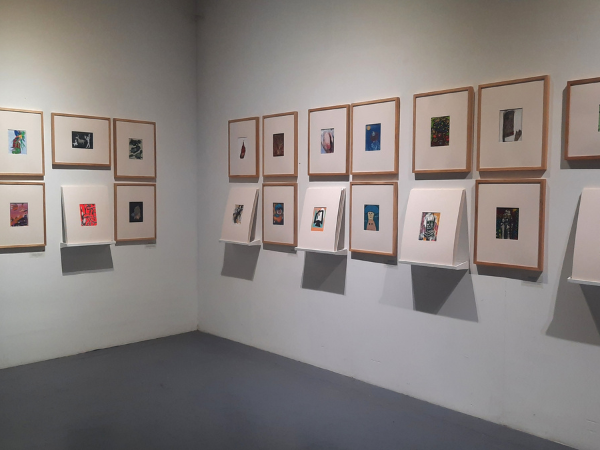
A retrospective exhibition is a curated showcase that highlights the artistic journey of a creator, often spanning their entire career. Unlike thematic or group exhibitions, retrospectives focus on one artist, presenting their evolution, influences, and contributions to the art world.
Defining a Retrospective Exhibition
A retrospective exhibition is more than a simple display of artworks; it is a narrative of an artist’s life and career. It typically includes early sketches, breakthrough pieces, and later works, arranged to show progression and transformation. The defining traits of retrospectives include:
- Career-Spanning Scope – Covers decades of artistic production.
- Chronological or Thematic Organization – Structured to highlight growth or recurring motifs.
- Archival Materials – Letters, photographs, and journals to provide context.
- Curatorial Interpretation – Expert analysis guiding the audience’s understanding.
- Comprehensive Catalogs – Publications accompanying the exhibition for deeper study.
By combining artworks with archival materials and scholarly commentary, retrospectives allow audiences to see the artist’s creative evolution in full. They are not just exhibitions but educational experiences that deepen appreciation for the artist’s contribution to culture.
Historical Origins of Retrospective Exhibitions
Retrospective exhibitions emerged in the 19th century when museums began honoring artists posthumously. Initially, they served as memorials, celebrating the achievements of painters, sculptors, and composers. Over time, retrospectives evolved into living tributes, organized while artists were still active. Their historical roots highlight the importance of preserving cultural heritage and recognizing artistic innovation. Key features include:
- 19th-Century Memorials – Early retrospectives honored deceased artists.
- Rise of Public Museums – Institutions sought to educate audiences.
- National Pride – Exhibitions celebrated cultural icons.
- Shift to Living Artists – Recognition extended to contemporary creators.
- Global Expansion – Retrospectives became common worldwide.
These origins underscore the dual role of retrospectives: honoring the past while shaping the future. They remain vital in documenting artistic legacies and ensuring that creative achievements are remembered across generations.
Purpose and Goals of Retrospective Exhibitions
The purpose of a retrospective exhibition is multifaceted. It celebrates the artist’s achievements, educates audiences, and provides critical reflection on their work. Retrospectives often mark significant milestones, such as anniversaries or career achievements. Their goals include:
- Celebration of Legacy – Honoring the artist’s contributions.
- Educational Value – Teaching audiences about artistic evolution.
- Critical Reflection – Encouraging scholarly debate.
- Public Engagement – Attracting diverse audiences.
- Cultural Preservation – Safeguarding works for future study.
By fulfilling these goals, retrospectives serve as both cultural events and academic resources. They highlight the importance of art in society and ensure that the artist’s voice continues to resonate long after their career has ended.
Structure and Organization of Retrospectives
The structure of a retrospective exhibition is carefully designed to guide audiences through the artist’s journey. Curators often choose between chronological and thematic approaches, depending on the artist’s body of work. The organization typically includes:
- Chronological Layout – Works arranged by time period.
- Thematic Sections – Grouping by subject or style.
- Multimedia Displays – Incorporating video, audio, and digital archives.
- Interactive Elements – Engaging audiences with hands-on experiences.
- Supporting Materials – Catalogs, essays, and guided tours.
This structure ensures that audiences not only view the artworks but also understand the context in which they were created. It transforms the exhibition into a narrative journey, making the artist’s evolution accessible and engaging.
Importance for Artists
For artists, a retrospective exhibition is a career-defining moment. It validates their work, provides recognition, and cements their place in art history. The importance lies in:
- Professional Recognition – Acknowledgment by institutions.
- Legacy Building – Ensuring their work is preserved.
- Critical Engagement – Inviting scholarly analysis.
- Public Connection – Strengthening ties with audiences.
- Career Reflection – Offering personal insight into their journey.
Retrospectives allow artists to see their work in a new light, often inspiring future projects. They serve as both a culmination and a new beginning, reinforcing the artist’s role in shaping cultural narratives.
Importance for Audiences
Audiences benefit greatly from retrospective exhibitions, gaining insight into the creative process and artistic evolution. These exhibitions provide:
- Comprehensive Understanding – Seeing the full scope of an artist’s career.
- Educational Opportunities – Learning through guided tours and catalogs.
- Cultural Enrichment – Experiencing diverse artistic expressions.
- Emotional Connection – Relating to the artist’s journey.
- Inspiration – Motivating personal creativity.
For audiences, retrospectives are immersive experiences that go beyond viewing art. They foster appreciation, dialogue, and inspiration, making them essential cultural events.
Role of Curators in Retrospectives
Curators play a crucial role in shaping retrospective exhibitions. Their expertise ensures that the exhibition is coherent, engaging, and educational. Responsibilities include:
- Selection of Works – Choosing representative pieces.
- Contextualization – Providing historical and cultural background.
- Narrative Design – Structuring the exhibition’s flow.
- Educational Programs – Organizing lectures and workshops.
- Publication Development – Creating catalogs and essays.
Curators act as mediators between the artist and the audience, ensuring that the exhibition communicates the intended message. Their role is vital in transforming retrospectives into meaningful cultural experiences.
Famous Retrospective Exhibitions
Throughout history, many retrospective exhibitions have left lasting impressions. They highlight the importance of honoring artists and preserving their legacies. Examples include:
- Pablo Picasso Retrospectives – Showcasing his diverse styles.
- Frida Kahlo Exhibitions – Exploring her personal and political themes.
- Andy Warhol Retrospectives – Highlighting pop art innovations.
- Claude Monet Retrospectives – Celebrating impressionist masterpieces.
- Georgia O’Keeffe Exhibitions – Honoring her unique vision.
These famous retrospectives demonstrate the power of such exhibitions to shape cultural memory and influence future generations of artists and audiences alike.
Contemporary Relevance of Retrospectives
In today’s world, retrospective exhibitions remain highly relevant. They adapt to modern technologies and cultural shifts, ensuring continued engagement. Contemporary relevance includes:
- Digital Integration – Online catalogs and virtual tours.
- Global Accessibility – Reaching audiences worldwide.
- Interdisciplinary Approaches – Combining art with science and history.
- Social Impact – Addressing contemporary issues.
- Future-Oriented Legacy – Inspiring new generations.
By embracing modern tools and perspectives, retrospectives continue to play a vital role in cultural discourse. They remain essential in preserving artistic legacies while engaging with contemporary audiences.