Art has shaped culture, history, and human imagination for centuries. Certain masterpieces transcend time, becoming symbols of creativity and human achievement. These iconic works are not only visually stunning but also carry deep meaning, reflecting the societies and eras in which they were created. Below, we explore eight of the most influential artworks that everyone should recognize, each with its own story, style, and cultural impact.
The Mona Lisa by Leonardo da Vinci
Leonardo da Vinci’s Mona Lisa is perhaps the most famous painting in the world. Created in the early 16th century, it continues to captivate audiences with its enigmatic smile and masterful technique. The portrait represents Renaissance ideals of balance, proportion, and naturalism.
- Painted between 1503–1506, housed in the Louvre Museum, Paris
- Subject believed to be Lisa Gherardini, a Florentine woman
- Famous for its sfumato technique, blending tones seamlessly
- Stolen in 1911, which ironically boosted its global fame
- Inspires countless reproductions, parodies, and cultural references
The Mona Lisa is more than a portrait; it is a cultural phenomenon. Its mystery and artistry make it a timeless symbol of human creativity, ensuring its place as one of the most recognized artworks in history.
The Starry Night by Vincent van Gogh
Vincent van Gogh’s The Starry Night (1889) is a swirling, emotional depiction of the night sky, painted during his stay at the Saint-Rémy asylum. The work reflects both his inner turmoil and his fascination with nature’s beauty.
- Painted in June 1889, now in MoMA, New York
- Features bold brushstrokes and vibrant blues and yellows
- Combines imagination with observation of the night sky
- Symbolizes van Gogh’s struggle with mental health and hope
- Influenced modern art movements with its expressive style
This painting is not just a landscape; it is a window into van Gogh’s soul. Its emotional intensity and unique style make it one of the most beloved artworks worldwide.
The Persistence of Memory by Salvador Dalí
Salvador Dalí’s The Persistence of Memory (1931) is a surrealist masterpiece featuring melting clocks in a dreamlike landscape. It challenges perceptions of time and reality.
- Painted in 1931, displayed at MoMA, New York
- Famous for “soft watches” symbolizing fluidity of time
- Combines dream imagery with hyper-realistic detail
- Reflects Dalí’s fascination with psychoanalysis and subconscious
- Became a defining image of the Surrealist movement
Dalí’s work invites viewers to question reality itself. Its bizarre yet captivating imagery ensures its place as one of the most iconic surrealist paintings ever created.
The Birth of Venus by Sandro Botticelli
Botticelli’s The Birth of Venus (1480s) depicts the goddess Venus emerging from the sea on a shell. It embodies Renaissance ideals of beauty and mythology.
- Painted in the mid-1480s, housed in Uffizi Gallery, Florence
- Commissioned by the Medici family, symbolizing love and beauty
- Venus portrayed with flowing hair and graceful posture
- Inspired by classical mythology and humanist ideals
- Celebrated for its elegance and harmonious composition
This painting remains a symbol of divine beauty and artistic refinement. Botticelli’s Venus continues to inspire artists and audiences alike.
Guernica by Pablo Picasso
Picasso’s Guernica (1937) is a monumental anti-war painting created in response to the bombing of Guernica during the Spanish Civil War. Its stark imagery conveys suffering and chaos.
- Painted in 1937, now in Museo Reina Sofía, Madrid
- Monochromatic palette emphasizes brutality of war
- Features distorted figures, animals, and symbols of pain
- Commissioned for the Paris International Exposition
- Became a universal symbol of protest against violence
Guernica is not just art—it is a political statement. Its raw power and emotional depth make it one of the most important works of the 20th century.
The Last Supper by Leonardo da Vinci
Leonardo’s The Last Supper (1495–1498) is a mural depicting Jesus and his disciples during the moment he announces his betrayal. It is a cornerstone of religious art.
- Painted in Milan’s Santa Maria delle Grazie convent
- Captures dramatic expressions and gestures of disciples
- Masterful use of perspective draws focus to Christ
- Fragile condition due to experimental technique
- Inspires countless reproductions and interpretations
This masterpiece combines technical brilliance with spiritual depth. It remains one of the most studied and revered religious artworks.
The Scream by Edvard Munch
Edvard Munch’s The Scream (1893) is an expressionist icon, symbolizing existential angst and human anxiety. Its haunting figure against a fiery sky is unforgettable.
- Painted in 1893, multiple versions exist in Oslo museums
- Depicts a figure screaming against a swirling sky
- Inspired by Munch’s personal experience of anxiety
- Bold colors and distorted forms heighten emotional impact
- Became a universal symbol of fear and modern alienation
The Scream resonates deeply with audiences, embodying the struggles of modern life. Its raw emotion ensures its lasting relevance.
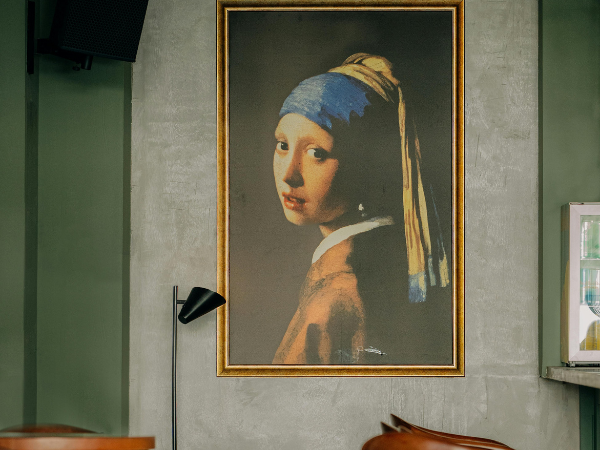
Girl with a Pearl Earring by Johannes Vermeer
Vermeer’s Girl with a Pearl Earring (1665) is often called the “Mona Lisa of the North.” The painting captures a young girl in exotic dress, turning toward the viewer with luminous beauty.
- Painted around 1665, housed in Mauritshuis, The Hague
- Known for its striking use of light and shadow
- The pearl earring symbolizes purity and elegance
- Subject remains a mystery, adding intrigue
- Inspired novels, films, and modern reinterpretations
This painting’s simplicity and mystery make it endlessly fascinating. Vermeer’s mastery of light elevates it to one of the greatest portraits in art history.
Conclusion: Why These Artworks Matter
These eight masterpieces represent different eras, styles, and cultural contexts, yet they share a common trait: timeless influence. From Renaissance harmony to surrealist dreams, from political protest to existential angst, they embody the power of art to move, inspire, and challenge humanity. Knowing these works enriches our understanding of history, creativity, and the human spirit.