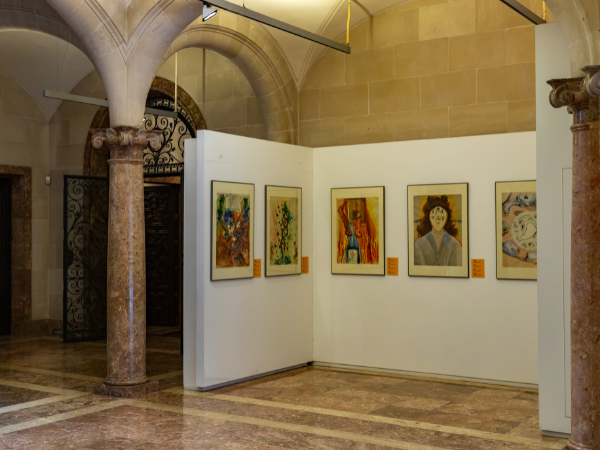
Online art galleries have transformed the way people discover, purchase, and appreciate art. With the rise of digital platforms, artists can showcase their work to a global audience, while collectors and enthusiasts can explore diverse styles without geographical limitations. This shift has created new opportunities and challenges, making it essential to understand both the benefits and drawbacks of online art galleries.
Accessibility and Convenience
Online art galleries provide unmatched accessibility, allowing anyone with an internet connection to explore art collections from around the world. This convenience has democratized art appreciation, making it easier for people to engage with creative works regardless of location.
- Global reach for artists and collectors
- 24/7 availability of exhibitions
- Easy browsing through digital catalogs
- No travel required to view collections
- Instant access to diverse styles and mediums
This accessibility fosters inclusivity, enabling individuals who may not have access to physical galleries to participate in the art world. However, the lack of physical presence can sometimes diminish the emotional impact of viewing art in person.
Cost Efficiency for Artists and Buyers
Digital platforms reduce overhead costs associated with traditional galleries, offering affordable options for both artists and buyers. Online galleries often eliminate expenses like rent, utilities, and staffing, making art more financially accessible.
- Lower exhibition costs for artists
- Reduced commission fees compared to physical galleries
- Affordable art options for buyers
- Flexible pricing models
- Opportunities for emerging artists to showcase work
While cost efficiency benefits many, it can also lead to oversaturation of the market, where quality may be overshadowed by quantity. Buyers must carefully evaluate artworks to ensure authenticity and value.
Exposure for Emerging Artists
Online galleries provide a platform for emerging artists to gain visibility without the barriers of traditional institutions. This exposure can help them build reputations and connect with audiences worldwide.
- Equal opportunity for new artists
- Direct engagement with global audiences
- Ability to build personal brand online
- Access to social media promotion
- Opportunities for collaborations and networking
Although exposure is valuable, competition is intense, and standing out in a crowded digital space requires strategic marketing and consistent quality. Artists must balance creativity with self-promotion to succeed.
Lack of Physical Interaction
One of the main drawbacks of online art galleries is the absence of physical interaction with artworks. Viewing art digitally cannot replicate the sensory experience of seeing texture, scale, and color in person.
- Limited perception of texture and detail
- Difficulty appreciating scale and dimensions
- Reduced emotional impact compared to in-person viewing
- Challenges in evaluating authenticity
- Potential disconnect between viewer and artwork
This limitation highlights the importance of hybrid models, where online galleries complement physical exhibitions rather than replace them entirely.
Authenticity and Trust Issues
Trust is a significant concern in online art transactions. Buyers often worry about authenticity, provenance, and the reliability of sellers. Without physical verification, these issues can hinder confidence.
- Risk of counterfeit artworks
- Difficulty verifying provenance
- Concerns about secure transactions
- Lack of transparency in pricing
- Potential scams or fraudulent sellers
To address these challenges, reputable online galleries implement strict verification processes and secure payment systems. Building trust remains crucial for the sustainability of digital art markets.
Technological Enhancements
Advancements in technology have improved the online art experience, offering tools that enhance engagement and visualization. Virtual reality, augmented reality, and high-resolution imaging provide immersive ways to explore art.
- Virtual reality exhibitions
- Augmented reality previews in home settings
- High-resolution digital imaging
- Interactive online catalogs
- AI-driven recommendations for buyers
These innovations bridge the gap between physical and digital experiences, making online galleries more engaging. However, reliance on technology may exclude those without access to advanced devices or stable internet connections.
Market Expansion and Global Reach
Online art galleries expand the market by connecting artists and buyers across borders. This global reach fosters cultural exchange and broadens opportunities for sales and collaborations.
- International exposure for artists
- Access to diverse cultural perspectives
- Opportunities for cross-border collaborations
- Increased sales potential
- Broader audience engagement
While global reach is beneficial, it also introduces challenges such as shipping logistics, customs regulations, and varying legal frameworks. Navigating these complexities requires careful planning and reliable partnerships.
Environmental Impact
Digital platforms reduce the environmental footprint associated with physical galleries, minimizing travel and resource consumption. Online exhibitions contribute to sustainability by lowering carbon emissions.
- Reduced travel-related emissions
- Lower energy consumption compared to physical spaces
- Minimal use of physical materials
- Sustainable digital archiving
- Eco-friendly promotion of art
Despite these benefits, the environmental impact of digital infrastructure, such as data centers and electronic waste, must also be considered. Balancing sustainability with technological growth is essential.
Future of Online Art Galleries
The future of online art galleries lies in hybrid models that combine digital accessibility with physical experiences. As technology evolves, these platforms will continue to shape how art is consumed and appreciated.
- Integration of physical and digital exhibitions
- Continued advancements in visualization technology
- Greater emphasis on authenticity and trust
- Expansion of global collaborations
- Sustainable practices in digital art markets
Ultimately, online art galleries represent a dynamic evolution in the art world. By balancing convenience, exposure, and innovation with authenticity and emotional connection, they will remain a vital part of the cultural landscape.