Public art is more than decoration; it is a powerful cultural and social tool that shapes the identity of cities, fosters community engagement, and enhances urban spaces. By existing outside traditional galleries, public art becomes accessible to everyone, creating shared experiences that strengthen civic pride and cultural belonging.
What Defines Public Art?
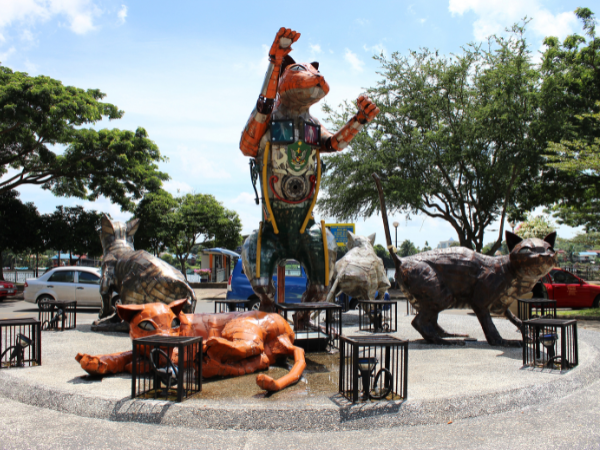
Public art refers to creative works installed in public spaces, ranging from sculptures and murals to interactive installations. It is designed to be accessible to all citizens and often reflects local culture, history, or social values.
- Sculptures and statues in parks or plazas
- Murals on building walls
- Interactive installations in city squares
- Memorials and monuments
- Community-led art projects
Public art is not confined to aesthetics; it is a democratic form of expression that invites participation and dialogue. By existing in shared spaces, it becomes part of everyday life, shaping how people interact with their environment and each other.
Public Art and Urban Identity
Cities often use public art to reinforce their cultural identity and distinguish themselves from others. Art in public spaces tells stories about local heritage, traditions, and values.
- Murals depicting historical events
- Sculptures honoring local figures
- Installations reflecting cultural diversity
- Art celebrating natural landscapes
- Community projects showcasing local talent
This identity-building process strengthens civic pride and creates a sense of belonging. Public art helps residents see their city as unique, while visitors gain insight into its cultural fabric.
Social Cohesion Through Public Art
Public art fosters social inclusion by creating spaces where diverse communities can interact and engage. It encourages dialogue and collaboration across cultural and social boundaries.
- Collaborative mural projects
- Interactive installations inviting participation
- Festivals showcasing public art
- Art workshops for community members
- Inclusive design reflecting multiculturalism
By bridging differences, public art strengthens social bonds and promotes inclusivity. It becomes a catalyst for unity in diverse urban environments.
Public Art and Economic Growth
Beyond cultural impact, public art contributes to local economies by attracting tourism, supporting creative industries, and revitalizing neighborhoods.
- Increased foot traffic in art districts
- Tourism driven by iconic installations
- Local businesses benefiting from art-related events
- Job creation in creative sectors
- Revitalization of neglected areas
Cities with vibrant public art scenes often experience economic renewal, as art becomes a driver of commerce and investment.
Public Art and Sustainability
Public art can highlight environmental issues and promote sustainable practices. Artists often use recycled materials or create works that raise awareness about ecological challenges.
- Installations made from recycled materials
- Murals addressing climate change
- Sculptures promoting biodiversity
- Art projects in green spaces
- Interactive works encouraging eco-friendly behavior
By integrating sustainability into public art, cities can inspire citizens to adopt environmentally conscious lifestyles.
Education and Public Art
Public art serves as an educational tool, teaching communities about history, culture, and social issues. It also encourages creativity and artistic appreciation.
- Murals depicting historical narratives
- Installations reflecting cultural traditions
- Workshops teaching art techniques
- Educational tours of public art sites
- Interactive projects for schools
Through education, public art empowers citizens to engage critically with their environment and fosters lifelong appreciation for creativity.
Public Art and Urban Renewal
Public art plays a vital role in revitalizing neglected or abandoned urban areas. By transforming spaces, it creates new life and attracts community engagement.
- Murals revitalizing old buildings
- Sculptures in redeveloped plazas
- Art installations in abandoned sites
- Community-led beautification projects
- Festivals celebrating urban renewal
Urban renewal through art not only beautifies spaces but also restores community pride and functionality.
Public Art as a Tool for Dialogue
Public art often addresses social issues, sparking conversations and raising awareness. It provides a platform for marginalized voices and encourages civic participation.
- Murals addressing social justice
- Installations highlighting inequality
- Art projects amplifying community voices
- Interactive works encouraging dialogue
- Public forums around art pieces
By fostering dialogue, public art strengthens democracy and empowers citizens to engage in civic life.
The Future of Public Art in Cities
As cities evolve, public art will continue to play a crucial role in shaping urban landscapes. Innovations in technology and design will expand its possibilities.
- Digital and interactive installations
- Augmented reality art experiences
- Sustainable art practices
- Community-driven design processes
- Global collaborations across cities
The future of public art lies in its adaptability and inclusivity, ensuring it remains a vital force in urban development and cultural identity.