Fine art can feel intimidating at first glance, especially if you’re new to galleries or museums. Yet, learning to appreciate it is less about memorizing facts and more about opening yourself to new experiences. This article will guide you through practical steps to connect with art, even if you’ve never studied it before. Each section blends explanation, structured lists, and reflective insights to help you build confidence and enjoyment in exploring fine art.
Understanding What Fine Art Really Means
Fine art refers to creative works valued primarily for their aesthetic and intellectual qualities rather than practical function. It includes painting, sculpture, photography, and more. Appreciating fine art begins with recognizing that it’s not about “getting it right” but about engaging with what you see.
- Painting – Oil, acrylic, watercolor, and mixed media works.
- Sculpture – Carved, molded, or assembled three-dimensional pieces.
- Photography – Artistic images that capture mood, light, and perspective.
- Installations – Large-scale works designed to transform spaces.
- Mixed Media – Art that combines multiple materials or techniques.
By understanding these categories, you’ll start to see how diverse fine art can be. Each form offers a different way to express ideas, emotions, and cultural values. Appreciating fine art means exploring these differences with curiosity rather than judgment.
Visiting Museums and Galleries with Purpose
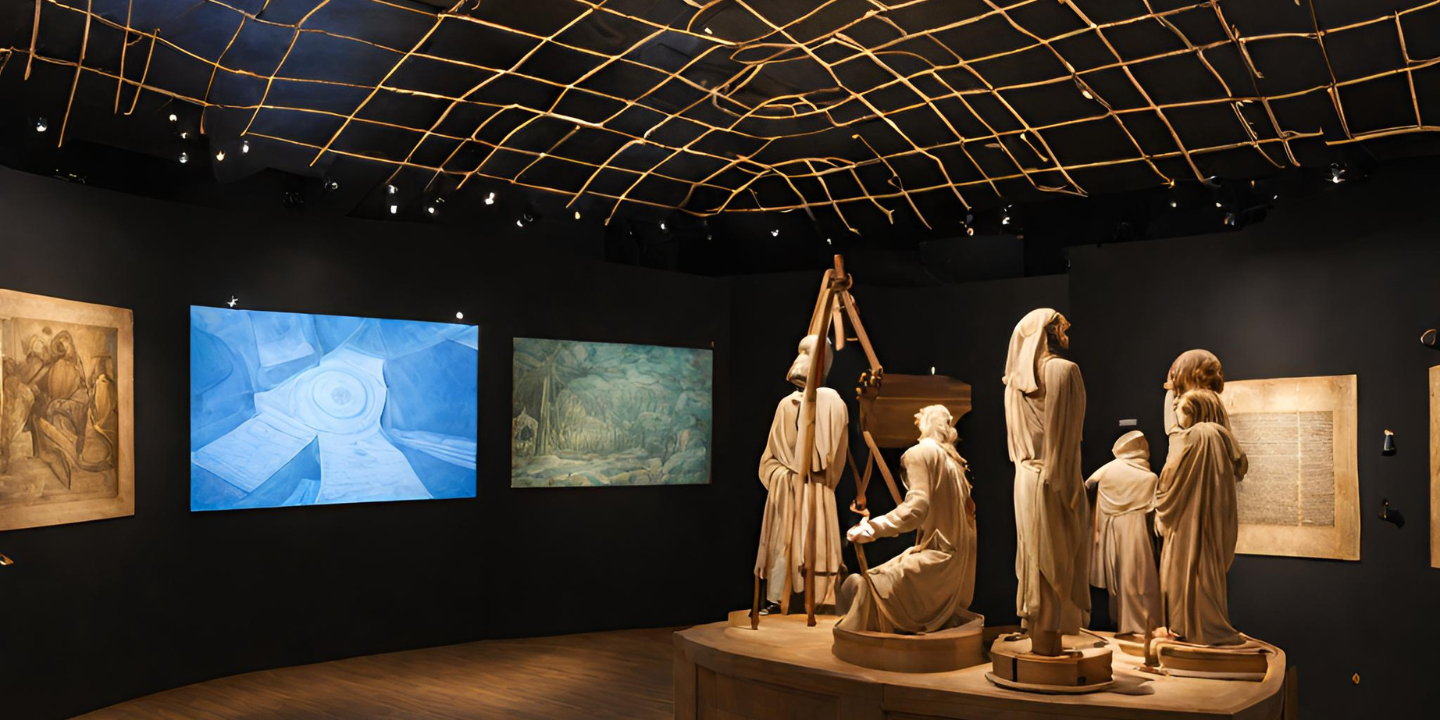
Museums and galleries are gateways to fine art. Instead of rushing through, slow down and give each piece time. Purposeful visits help you absorb more than just surface impressions.
- Choose smaller exhibitions – Easier to focus without feeling overwhelmed.
- Read wall texts – They provide context about the artist and artwork.
- Take notes – Jot down what catches your eye or emotions.
- Ask questions – Many galleries have guides or staff eager to help.
- Revisit favorites – Returning deepens your understanding over time.
Approaching galleries with intention transforms them from intimidating spaces into places of discovery. You’ll notice details you might otherwise miss, and each visit builds your confidence in interpreting art.
Learning Basic Art Elements
Art appreciation grows when you understand its building blocks. Elements like color, line, and texture shape how we perceive a piece.
- Color – Warm vs. cool tones influence mood.
- Line – Straight, curved, or jagged lines guide the eye.
- Texture – Smooth or rough surfaces add depth.
- Shape – Geometric or organic forms create structure.
- Space – Positive and negative space balance composition.
Recognizing these elements helps you see beyond the subject matter. You’ll begin to notice how artists use them to evoke emotions or highlight themes. This awareness makes your viewing experience richer and more personal.
Exploring Different Art Movements
Art movements reflect cultural shifts and creative innovation. Learning about them provides context for what you see.
- Renaissance – Focused on realism and humanism.
- Impressionism – Captured fleeting light and everyday scenes.
- Modernism – Broke traditional rules with abstraction.
- Surrealism – Explored dreams and subconscious imagery.
- Contemporary – Diverse styles reflecting today’s world.
Understanding movements helps you place artworks within history. It reveals why certain styles emerged and how they challenged conventions. This knowledge deepens appreciation by connecting art to broader human experiences.
Engaging with Art Emotionally
Art isn’t just intellectual—it’s emotional. Allow yourself to feel without worrying about “correct” interpretations.
- Notice your first reaction – Joy, confusion, sadness, or curiosity.
- Reflect on why – Does it remind you of something personal?
- Compare feelings – Different works may evoke contrasting emotions.
- Accept ambiguity – Not all art has clear meaning.
- Share impressions – Talking about feelings enhances connection.
Emotional engagement makes art personal. It transforms viewing from passive observation into active participation, helping you connect with works on a deeper level.
Using Technology to Enhance Appreciation
Digital tools make fine art more accessible than ever. Online platforms and apps allow exploration beyond physical spaces.
- Virtual museum tours – Explore collections worldwide.
- Art apps – Learn about techniques and artists interactively.
- Podcasts – Hear experts discuss art history and trends.
- Social media – Follow galleries and artists for updates.
- Online courses – Structured learning at your own pace.
Technology expands your reach, offering opportunities to explore art globally. It complements in-person experiences, giving you both context and convenience.
Practicing Mindful Observation
Mindfulness helps you slow down and truly see art. It’s about being present with the work.
- Focus on details – Brushstrokes, textures, or shadows.
- Observe without judgment – Suspend assumptions.
- Notice time spent – Longer viewing reveals new insights.
- Breathe deeply – Relax to enhance perception.
- Reflect afterward – Write down thoughts or feelings.
Mindful observation transforms art into a meditative experience. It encourages patience and openness, allowing deeper appreciation of subtle qualities.
Connecting with Artists and Communities
Art appreciation grows when you engage with creators and communities. Direct interaction adds personal dimension.
- Attend artist talks – Hear creative processes firsthand.
- Join workshops – Try techniques yourself.
- Support local art – Visit community galleries and fairs.
- Participate in discussions – Share perspectives with others.
- Follow artists online – Stay updated on their work.
Connecting with artists humanizes fine art. It reminds you that behind every piece is a person with ideas, struggles, and inspirations. This connection enriches your appreciation.
Building Your Own Art Collection
Collecting art, even on a small scale, deepens appreciation. It makes art part of your daily life.
- Start small – Prints, photographs, or affordable originals.
- Choose what resonates – Emotional connection matters more than value.
- Explore local artists – Unique pieces often come from nearby creators.
- Learn about care – Proper framing and storage preserve works.
- Display thoughtfully – Placement enhances enjoyment.
Owning art personalizes your journey. It transforms appreciation into active participation, making fine art a living part of your environment.
Conclusion
Appreciating fine art doesn’t require expertise—it requires openness. By visiting galleries, learning elements, engaging emotionally, and even collecting pieces, you build a relationship with art that enriches your life. Each step invites you to see beyond the surface and connect with creativity in meaningful ways. Fine art becomes less intimidating and more inspiring when you approach it with curiosity, patience, and personal reflection.