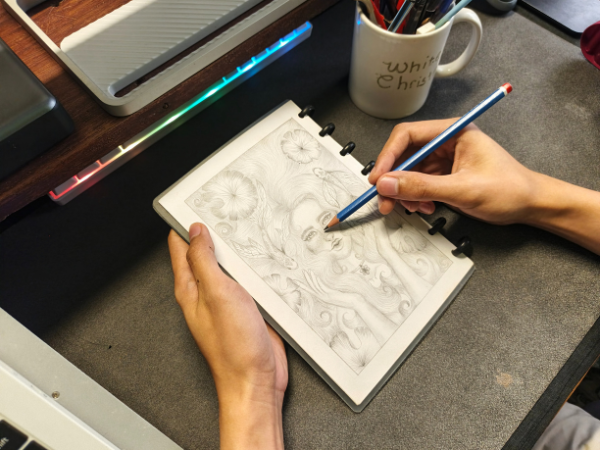
Confidence in your sketchbook is not about producing perfect drawings—it’s about cultivating a space where creativity, experimentation, and growth can thrive. A sketchbook becomes a personal laboratory where mistakes are welcomed, ideas are tested, and progress is documented. Building confidence in this space requires patience, consistency, and a willingness to embrace imperfection as part of the artistic journey.
Understanding the Purpose of a Sketchbook
A sketchbook is more than just a collection of drawings—it’s a tool for exploration and self-expression. Many artists mistakenly believe that every page must be polished, but the true purpose lies in experimentation.
- Personal Laboratory – A place to test techniques without fear of judgment.
- Idea Development – Rough sketches that later evolve into finished works.
- Emotional Outlet – A safe space to express feelings visually.
- Skill Tracking – Documenting progress over time.
- Creative Freedom – No rules, just exploration.
By reframing your sketchbook as a playground rather than a portfolio, you remove the pressure of perfection. This mindset shift allows you to take risks, try new styles, and ultimately build confidence in your creative process.
Starting Small and Simple
Confidence grows when you begin with manageable steps. Instead of overwhelming yourself with complex compositions, start with simple exercises.
- Daily Doodles – Quick sketches of everyday objects.
- Line Practice – Experiment with straight, curved, and broken lines.
- Shape Studies – Circles, squares, and triangles in different variations.
- Quick Gestures – Capture movement in 30-second sketches.
- Limited Tools – Use just a pencil or pen to reduce decision fatigue.
These small exercises help you ease into sketching without pressure. Over time, they build muscle memory and comfort with your tools, making larger projects feel less intimidating. Confidence comes from repetition and gradual mastery.
Embracing Imperfection
One of the biggest barriers to confidence is the fear of making mistakes. Yet imperfection is where growth happens.
- Accept Mistakes – Every error teaches something new.
- Highlight Flaws – Circle or annotate areas to improve.
- Celebrate Progress – Compare old sketches with new ones.
- Experiment Freely – Try unusual perspectives or exaggerated proportions.
- Keep “Bad” Pages – They show your journey, not just your successes.
When you stop treating mistakes as failures, your sketchbook becomes a record of resilience. Confidence grows when you realize that imperfection is not a weakness but a stepping stone toward mastery.
Building a Routine
Consistency is key to confidence. A sketchbook routine helps you stay engaged and motivated.
- Set Time – Dedicate 10–20 minutes daily.
- Create Rituals – Sketch with coffee, music, or in a favorite spot.
- Track Progress – Date your pages to see improvement.
- Use Prompts – Follow weekly or monthly challenges.
- Reward Yourself – Celebrate milestones with small treats.
A routine transforms sketching into a habit rather than a chore. The more often you engage with your sketchbook, the more natural and confident your drawing process becomes.
Using References Wisely
References provide guidance without limiting creativity. They help you understand form, proportion, and perspective.
- Photos – Practice from everyday snapshots.
- Life Drawing – Sketch people, pets, or plants around you.
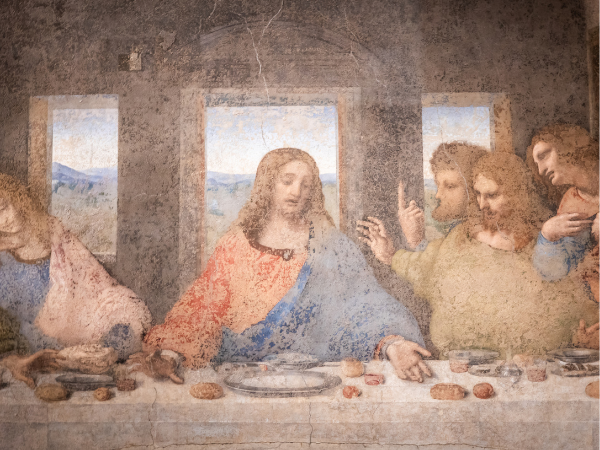
- Master Studies – Copy works of artists you admire.
- Objects – Draw household items from different angles.
- Nature – Capture landscapes, trees, and textures.
Using references builds confidence by grounding your sketches in reality. Over time, you’ll rely less on them and more on your imagination, blending observation with creativity.
Experimenting with Different Mediums
Confidence grows when you expand beyond one tool. Trying new mediums opens fresh possibilities.
- Pencil – Great for shading and precision.
- Ink – Encourages bold, decisive lines.
- Watercolor – Adds fluidity and softness.
- Charcoal – Perfect for expressive, textured sketches.
- Mixed Media – Combine tools for unique effects.
Experimentation prevents stagnation and keeps sketching exciting. Each medium teaches different skills, helping you feel more versatile and confident as an artist.
Seeking Inspiration
Confidence often comes from seeing what’s possible. Inspiration fuels motivation and creativity.
- Art Books – Study techniques and styles.
- Online Communities – Share and learn from others.
- Museums – Observe masterpieces firsthand.
- Nature Walks – Find beauty in everyday surroundings.
- Journaling – Pair sketches with written reflections.
Inspiration reminds you that art is a shared journey. By connecting with sources of creativity, you reinforce your confidence and expand your artistic vision.
Sharing Your Work
Confidence grows when you allow others to see your progress. Sharing doesn’t mean showcasing perfection—it means embracing vulnerability.
- Social Media – Post sketches to connect with peers.
- Art Groups – Join local or online communities.
- Friends & Family – Share casually for encouragement.
- Exhibitions – Display selected works for feedback.
- Collaborations – Work with other artists on projects.
Sharing builds resilience and helps you see your sketchbook as part of a larger conversation. Confidence comes from realizing your art has value beyond the page.
Reflecting on Your Journey
Reflection is the final step in building confidence. Looking back helps you appreciate growth.
- Compare Pages – Notice improvements over time.
- Write Notes – Document lessons learned.
- Identify Strengths – Recognize areas of mastery.
- Set Goals – Plan new challenges for growth.
- Celebrate Milestones – Acknowledge achievements.
Reflection transforms your sketchbook into a personal archive of progress. Confidence is not built overnight—it’s cultivated through consistent practice, experimentation, and self-awareness.