Creative challenges are a fantastic way to keep kids engaged, motivated, and inspired. For children ages 10 and up, weekly art prompts can spark imagination, build confidence, and encourage them to explore different techniques.
What Are Weekly Art Challenges for Kids?
Weekly art challenges are structured prompts designed to inspire children to create something new each week. They provide guidance while leaving room for imagination, making them perfect for kids who enjoy both freedom and structure in their art.
Key Elements of Weekly Challenges
- A clear theme or subject each week
- Flexibility for interpretation
- Encouragement of experimentation
- Opportunities for skill-building
- Fun and engaging for kids ages 10+
These challenges help children develop consistency in their creative practice. By working on a new prompt each week, kids learn discipline while still having fun. The balance of structure and freedom makes weekly art challenges an excellent tool for growth and self-expression.
Why Art Challenges Benefit Kids Ages 10+
At age 10, children are developing stronger cognitive and motor skills, making art challenges especially beneficial. They encourage creativity while also supporting emotional growth and problem-solving abilities.
Benefits of Art Challenges
- Boost creativity and imagination
- Improve focus and discipline
- Strengthen fine motor skills
- Encourage self-expression
- Build confidence through practice
Art challenges provide a safe space for kids to experiment without fear of mistakes. They learn that creativity is about exploration, not perfection. This mindset helps them grow both artistically and personally, making weekly prompts a valuable addition to their routine.
How to Structure Weekly Art Prompts
A well-structured art challenge keeps kids motivated and excited. Prompts should be clear but open-ended, allowing children to interpret them in their own way.
Structuring Tips
- Choose themes that spark curiosity
- Keep instructions simple and age-appropriate
- Encourage multiple interpretations
- Provide examples for inspiration
- Allow flexibility in materials used
By structuring prompts thoughtfully, parents and teachers can ensure that kids remain engaged. The goal is to inspire creativity, not restrict it. A good structure balances guidance with freedom, making each challenge enjoyable and rewarding.
Fun Themes for Weekly Art Challenges
Themes are the heart of weekly art challenges. They should be fun, imaginative, and varied to keep kids excited about each new project.
Theme Ideas
- Nature-inspired art (trees, animals, landscapes)
- Fantasy worlds (dragons, castles, superheroes)
- Everyday objects with a twist
- Emotions expressed through colors
- Seasonal or holiday themes
Rotating themes ensures that kids never get bored. Each new prompt introduces them to different ideas and techniques, expanding their creative horizons. Fun themes also make challenges feel like play, which is essential for keeping children motivated.
Encouraging Creativity Through Prompts
Prompts should encourage kids to think outside the box. Creativity flourishes when children are given freedom to explore and interpret ideas in their own way.
Ways to Encourage Creativity
- Ask open-ended questions
- Suggest unusual combinations of ideas
- Encourage storytelling through art
- Allow experimentation with different tools
- Celebrate unique interpretations
By encouraging creativity, weekly art challenges help kids develop their own artistic voice. They learn to trust their instincts and express themselves freely, which is a vital skill both in art and in life.
Using Different Materials for Art Challenges
Variety in materials keeps art challenges exciting. Kids can experiment with different textures, colors, and techniques, making each project unique.
Material Options
- Colored pencils and markers
- Watercolors and acrylic paints
- Clay or playdough for sculpture
- Collage with magazines or fabric
- Digital art tools and apps
Exploring different materials helps kids discover what they enjoy most. It also teaches them adaptability, as each medium requires different skills. This variety ensures that weekly challenges remain fresh and engaging.
Making Art Challenges Social and Collaborative
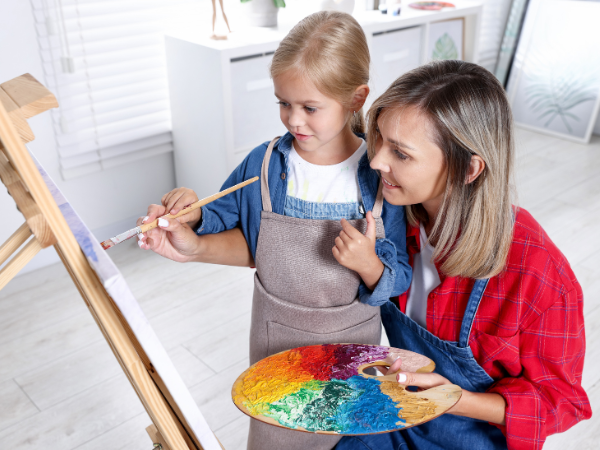
Art challenges don’t have to be solitary. They can be shared with friends, classmates, or family members, turning creativity into a social experience.
Social Benefits
- Group projects encourage teamwork
- Sharing artwork builds confidence
- Friendly competitions add excitement
- Peer feedback fosters growth
- Family participation strengthens bonds
Collaborative art challenges make creativity more interactive. Kids learn to appreciate different perspectives and enjoy the process of creating together. This social aspect adds another layer of fun to weekly prompts.
Tracking Progress and Celebrating Achievements
Tracking progress helps kids see how far they’ve come. Celebrating achievements keeps them motivated and proud of their work.
Ways to Track Progress
- Keep an art journal or portfolio
- Display artwork at home or school
- Share creations online or with friends
- Reflect on improvements over time
- Celebrate milestones with rewards
Acknowledging progress reinforces the value of consistent practice. Kids feel proud of their growth, which motivates them to continue participating in weekly challenges. Celebrating achievements makes the process more meaningful.
Final Thoughts: Why Weekly Art Challenges Matter
Weekly art challenges are more than just fun activities—they are tools for growth, creativity, and self-expression. For kids ages 10 and up, they provide structure, inspiration, and opportunities to explore new ideas.
Key Takeaways
- Inspire creativity through structured prompts
- Build confidence and discipline
- Encourage experimentation with materials
- Foster social connections and collaboration
- Celebrate progress and achievements
In conclusion, weekly art challenges are an engaging way to nurture creativity in children. They combine fun with learning, helping kids develop skills that will benefit them throughout their lives. By making art a regular part of their routine, parents and teachers can inspire a lifelong love of creativity.