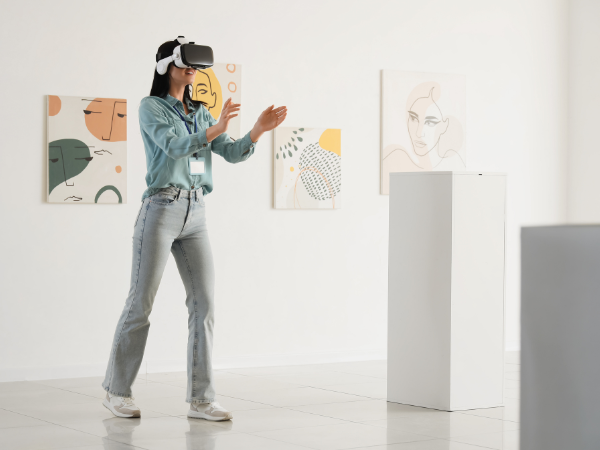
Virtual exhibitions have transformed the way audiences experience art, culture, and design. By combining immersive technologies with interactive platforms, they allow museums, galleries, and creators to reach global audiences without physical limitations. This article explores the tools and innovations that make virtual exhibitions possible, highlighting how they bring art to life in digital spaces.
Virtual Reality Platforms for Immersive Experiences
Virtual reality (VR) is at the heart of many virtual exhibitions, offering audiences the chance to step inside digital galleries and interact with artworks in three-dimensional space. These platforms replicate the feeling of walking through a museum, complete with realistic lighting, textures, and spatial audio.
Key VR Features:
- 3D gallery environments with customizable layouts
- Interactive navigation using VR headsets
- Realistic lighting and shadow rendering
- Spatial audio for immersive storytelling
- Multi-user access for shared experiences
VR platforms make exhibitions more engaging by allowing visitors to explore art as if they were physically present. This technology enhances accessibility, enabling global audiences to experience curated collections without travel.
Augmented Reality Tools for Interactive Art
Augmented reality (AR) overlays digital elements onto the real world, creating interactive experiences that blend physical and virtual art. AR tools are increasingly used in exhibitions to provide deeper context and engagement.
AR Applications:
- Mobile apps that project artworks into real spaces
- Interactive filters for social media engagement
- QR code integration for instant AR experiences
- Educational overlays with artist information
- Gamified exploration of exhibitions
AR tools make art more interactive and personal, allowing audiences to engage with exhibitions beyond traditional viewing. They extend the reach of exhibitions into everyday environments, making art accessible anywhere.
Artificial Intelligence in Curating Exhibitions
Artificial intelligence (AI) plays a growing role in shaping virtual exhibitions. AI algorithms can analyze visitor behavior, recommend artworks, and even generate personalized exhibition tours.
AI Contributions:
- Smart recommendations based on visitor interests
- Automated curation of digital collections
- Predictive analytics for audience engagement
- AI-driven chatbots for guided tours
- Image recognition for interactive learning
By integrating AI, exhibitions become more dynamic and tailored to individual preferences. This personalization enhances visitor satisfaction and encourages deeper exploration of art.
3D Modeling and Digital Rendering Tools
High-quality 3D modeling and rendering tools are essential for creating realistic virtual exhibitions. These tools allow curators to replicate physical spaces or design entirely new digital environments.
3D Tools:
- CAD software for architectural modeling
- Photogrammetry for digitizing real artworks
- Texture mapping for realistic surfaces
- Lighting simulations for accurate ambiance
- Interactive 3D object manipulation
3D modeling ensures that exhibitions feel authentic and visually compelling. It allows artists and curators to present works in ways that highlight detail, scale, and context.
Virtual Event Platforms and Hosting Solutions
Virtual exhibitions require reliable platforms to host and manage events. These platforms provide the infrastructure for streaming, interaction, and audience engagement.
Platform Features:
- Live streaming of exhibition tours
- Integrated chat and Q&A sessions
- Ticketing and registration systems
- Analytics dashboards for visitor insights
- Cross-device compatibility
Hosting solutions make exhibitions accessible to large audiences while maintaining professional presentation. They ensure smooth delivery and provide valuable data for organizers.
Interactive Multimedia Integration
Multimedia elements such as video, audio, and animations enrich virtual exhibitions by adding layers of storytelling and context.
Multimedia Tools:
- Embedded video interviews with artists
- Audio guides for narrated tours
- Animated timelines of art movements
- Interactive maps of exhibition spaces
- Dynamic infographics for deeper insights
Multimedia integration transforms exhibitions into multi-sensory experiences, making them more engaging and educational. It bridges the gap between static art and interactive storytelling.
Cloud Technology and Data Management
Cloud technology underpins the scalability and accessibility of virtual exhibitions. It enables secure storage, real-time updates, and global distribution of digital content.
Cloud Benefits:
- Centralized storage of digital assets
- Real-time synchronization across devices
- Scalable hosting for large audiences
- Secure data management and backups
- Collaboration tools for curators and artists
Cloud solutions ensure that exhibitions remain accessible and reliable, regardless of audience size or location. They provide the backbone for seamless digital experiences.
Accessibility and Inclusivity Tools
Virtual exhibitions must be inclusive, ensuring that audiences of all abilities can participate. Accessibility tools enhance usability and broaden reach.
Accessibility Features:
- Screen reader compatibility
- Subtitles and closed captions for videos
- Adjustable text sizes and contrast modes
- Voice navigation for hands-free interaction
- Multilingual support for global audiences
By prioritizing accessibility, exhibitions become more inclusive, allowing diverse audiences to engage with art meaningfully. Inclusivity strengthens the cultural impact of virtual exhibitions.
The Future of Virtual Exhibitions
The future of virtual exhibitions lies in deeper integration of emerging technologies, from AI-driven personalization to mixed reality environments. As tools evolve, exhibitions will become more immersive, interactive, and globally connected.
Future Trends:
- Mixed reality blending VR and AR
- AI-generated art and curation
- Blockchain for digital art ownership
- Holographic displays for lifelike experiences
- Expanded global collaboration networks
Virtual exhibitions are not just digital replicas of physical spaces—they are evolving into unique cultural experiences. They will continue to redefine how art is shared, experienced, and preserved in the digital age.