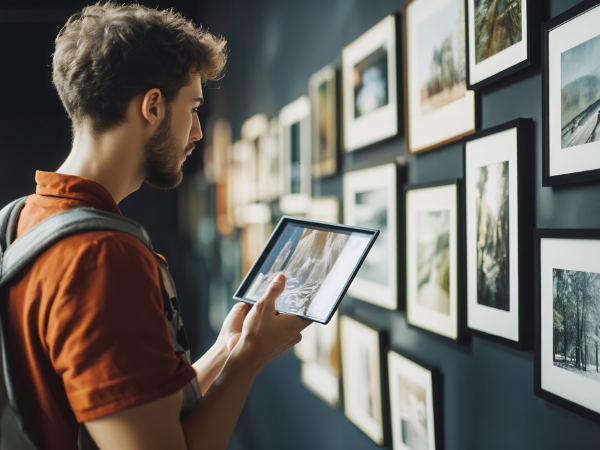
Throughout history, artists have relied on unusual rituals to spark creativity. Coffee, chaos, and daily routines often shaped their masterpieces. This article explores the fascinating habits of famous creators, showing how discipline and eccentricity combined to fuel innovation.
1. The Morning Rituals of Pablo Picasso
Picasso’s mornings were unconventional yet structured. He believed creativity thrived when daily rituals set the tone for the day.
- Late Rising – Picasso often woke late, preferring quiet mornings.
- Coffee First – A strong cup of coffee was his essential start.
- Solitude – He avoided distractions, focusing inward.
- Sketching Warm-Up – Quick sketches prepared him for larger works.
- Minimal Socializing – He reserved mornings for himself.
These habits allowed Picasso to channel his energy into art. His mornings were less about chaos and more about controlled solitude. By creating boundaries, he ensured his creativity remained sharp. His ritual highlights how even eccentric artists relied on structure to unlock imagination.
2. Vincent van Gogh’s Chaotic Discipline
Van Gogh’s life was marked by turbulence, yet his rituals reflected discipline within chaos.
- Coffee and Bread – Simple meals fueled his mornings.
- Letters to Theo – Writing was part of his daily rhythm.
- Obsessive Painting – He painted for hours without pause.
- Walking in Nature – Long walks inspired his landscapes.
- Night Sessions – He often worked under candlelight.
Van Gogh’s rituals balanced chaos with productivity. His reliance on routine gave structure to his emotional struggles. Coffee and simple food sustained his energy, while letters provided reflection. His habits reveal how discipline can emerge even in turbulent lives, fueling creativity through persistence.
3. Salvador Dalí’s Surreal Habits
Dalí embraced eccentric rituals that matched his surrealist art.
- Coffee with Honey – He believed sweetness energized imagination.
- Daydreaming – He practiced “slumber with a key,” a micro-nap technique.
- Sketching Dreams – He captured visions immediately upon waking.
- Public Performances – He staged rituals to shock audiences.
- Strict Timing – Despite chaos, he kept a schedule.
Dalí’s rituals blurred reality and imagination. His coffee habits energized him, while his dream techniques unlocked surreal visions. By combining chaos with discipline, he created art that challenged perception. His rituals remind us that creativity often thrives in the balance between order and eccentricity.
4. Frida Kahlo’s Rituals of Pain and Passion
Kahlo’s rituals reflected her resilience and passion.
- Morning Coffee – A grounding start to her day.
- Self-Portrait Sessions – She painted herself to process emotions.
- Music and Poetry – Inspiration flowed from cultural traditions.
- Rest Between Pain – She balanced art with recovery.
- Letters and Journals – Writing deepened her reflections.
Kahlo’s rituals were shaped by physical pain, yet she transformed suffering into creativity. Coffee grounded her mornings, while art became therapy. Her habits reveal how rituals can help artists endure hardship, turning chaos into beauty. Kahlo’s discipline shows resilience as a creative force.
5. Beethoven’s Coffee Obsession
Beethoven’s creativity was fueled by coffee, prepared with precision.
- Exact Beans Count – He measured 60 beans per cup.
- Morning Routine – Coffee was his daily ritual.
- Composing Immediately – He wrote music after drinking.
- Isolation – He avoided distractions during work.
- Walking Breaks – Nature walks refreshed his mind.
Beethoven’s obsession with coffee highlights how ritual precision can fuel genius. His strict preparation reflected discipline, while his walks balanced creativity. Coffee was more than a drink—it was a ritual that structured his day. His habits show how small routines can inspire monumental works.
6. Ernest Hemingway’s Writing Rituals
Hemingway’s rituals combined discipline with simplicity.
- Early Mornings – He wrote at dawn.
- Standing Desk – He preferred writing while standing.
- Coffee or Whiskey – Drinks marked different phases of his day.
- Word Count Goals – He set strict daily targets.
- Afternoon Breaks – He relaxed after writing.
Hemingway’s rituals reveal how discipline fuels creativity. His mornings were structured, his goals clear. Coffee energized his writing, while whiskey marked relaxation. His habits show that creativity thrives when rituals balance focus and leisure. Hemingway’s discipline transformed chaos into timeless literature.
7. Maya Angelou’s Creative Spaces
Angelou relied on rituals that separated daily life from creative work.
- Hotel Rooms – She rented spaces to write.
- Coffee and Notes – She began with reflection.
- Minimal Distractions – She kept rooms bare.
- Daily Routine – She wrote from morning to afternoon.
- Evening Review – She revised later in the day.
Angelou’s rituals highlight the importance of environment. Coffee grounded her mornings, while isolation sharpened focus. By separating spaces, she created boundaries for creativity. Her discipline shows how rituals can transform ordinary routines into extraordinary art, balancing chaos with clarity.
8. Jackson Pollock’s Chaotic Energy
Pollock’s rituals reflected his explosive style.
- Coffee and Cigarettes – His mornings were fueled by stimulants.
- Studio Isolation – He worked alone for hours.
- Action Painting – He dripped and splattered paint with rhythm.
- Music Inspiration – Jazz guided his movements.
- Late-Night Sessions – He thrived in nocturnal chaos.
Pollock’s rituals embodied chaos as creativity. His reliance on stimulants fueled energy, while music shaped rhythm. His habits reveal how chaos can become ritual, transforming disorder into art. Pollock’s discipline within chaos created masterpieces that redefined modern painting.
9. Rituals in the Digital Age: Modern Creators
Today’s artists continue to rely on rituals, blending tradition with technology.
- Morning Coffee – Still a universal ritual.
- Digital Tools – Tablets and apps replace sketchbooks.
- Social Media Sharing – Platforms become part of routine.
- Mindfulness Practices – Meditation balances chaos.
- Global Collaboration – Artists connect worldwide.
Modern rituals show continuity with the past. Coffee remains central, while technology adds new dimensions. Chaos is managed through mindfulness, and creativity thrives in digital spaces. Today’s artists prove that rituals—whether ancient or modern—remain vital to unlocking imagination.