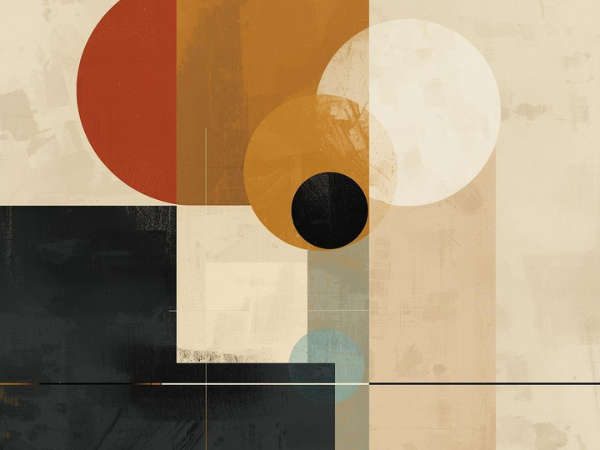
Minimalism has reemerged as a defining force in contemporary art, emphasizing clarity, restraint, and intentional design. In a world overwhelmed by digital noise and consumer excess, artists are rediscovering the power of simplicity. This revival demonstrates that less can indeed be more, offering audiences a chance to pause, reflect, and engage deeply with essential forms and ideas.
Origins of Minimalism in Art
Minimalism first appeared in the 1960s as a counterpoint to abstract expressionism and pop art. Artists sought to strip away personal emotion and decorative excess, focusing instead on pure form and material.
Key traits of early minimalism:
- Geometric shapes and clean lines
- Limited color palettes
- Industrial materials like steel and concrete
- Repetition and uniformity
- Emphasis on space and proportion
These foundations created a movement that challenged traditional notions of art. By reducing works to their essentials, minimalism invited viewers to contemplate form, space, and meaning without distraction. Today’s revival builds on these principles, adapting them to modern cultural and technological contexts.
Minimalism’s origins remind us that simplicity is not emptiness—it is a deliberate choice to highlight what truly matters.
Minimalism’s Resurgence in Contemporary Culture
In recent years, minimalism has returned as a response to overstimulation in modern life. Artists and designers use minimalism to create calm, meditative experiences that contrast with the chaos of consumer culture.
Defining aspects of the resurgence:
- Focus on mindfulness and intentional living
- Integration of sustainable materials
- Digital minimalism in design and media
- Cross‑disciplinary influence in fashion and architecture
- Emphasis on silence and emptiness as artistic tools
This revival reflects society’s desire for clarity and balance. Minimalist art today is not just about aesthetics—it is about fostering reflection and slowing down in a fast‑paced world.
By embracing restraint, contemporary minimalism offers a counterbalance to excess, encouraging audiences to find meaning in simplicity.
Key Figures in Contemporary Minimalism
Minimalism’s revival is shaped by both historic pioneers and modern innovators. Their work demonstrates how restraint continues to inspire creativity.
Notable figures include:
- Donald Judd – Pioneer of minimalist sculpture
- Agnes Martin – Subtle grids and meditative canvases
- Tadao Ando – Architect emphasizing light and space
- Ellsworth Kelly – Master of color and form
- Contemporary digital artists exploring virtual minimalism
These figures show that minimalism is both historical and forward‑looking. Their contributions highlight how simplicity can open new possibilities for artistic expression.
Minimalism’s key figures remind us that restraint is not limitation—it is a pathway to deeper engagement with art.
Minimalism in Digital and Virtual Art
Minimalism has found new life in digital and virtual spaces, where simplicity enhances clarity and user experience.
Applications of digital minimalism:
- Clean, uncluttered web design
- Virtual reality environments with sparse aesthetics
- Minimalist digital installations
- Use of negative space in digital art
- Simplified interfaces for accessibility
Digital minimalism adapts the movement to technological change. By focusing on clarity, artists ensure that digital experiences remain meaningful and engaging.
This evolution shows that minimalism is not confined to physical materials—it thrives in virtual environments where simplicity is essential.
Minimalism in Architecture and Design
Architecture and design embrace minimalism to create functional, serene spaces. The movement emphasizes harmony between form and function.
Defining features of minimalist design:
- Open floor plans
- Neutral color schemes
- Natural light integration
- Sustainable materials
- Functional simplicity
Minimalist design fosters calm and clarity, making spaces more livable and reflective. It demonstrates how art principles can shape everyday environments.
By applying minimalism to architecture, designers create spaces that encourage mindfulness and intentional living.
Minimalism in Fashion and Lifestyle
Minimalism extends beyond art into fashion and lifestyle, influencing how people dress and live.
Key elements of minimalist lifestyle:
- Neutral wardrobes with versatile pieces
- Sustainable fabrics
- Capsule wardrobes
- Emphasis on durability over trends
- Practices like decluttering and mindfulness
Minimalism in fashion and lifestyle reflects a cultural shift toward simplicity. It encourages individuals to prioritize meaning and sustainability over excess.
This extension shows that minimalism is not just an art movement—it is a way of life.
Criticisms and Challenges of Minimalism
Despite its appeal, minimalism faces criticism for being elitist or inaccessible.
Common critiques include:
- Perceived lack of warmth or personality
- Association with privilege and wealth
- Risk of oversimplification
- Limited accessibility for diverse audiences
- Potential disconnect from cultural richness
These challenges remind us that minimalism must evolve to remain inclusive and relevant. Addressing critiques ensures the movement continues to resonate widely.
Minimalism’s critics highlight the need for balance between simplicity and inclusivity.
Minimalism and Sustainability
Minimalism aligns closely with sustainability, encouraging reduced consumption and mindful use of resources.
Sustainable aspects of minimalism:
- Use of recycled materials
- Energy‑efficient design
- Reduction of waste in production
- Emphasis on durability and longevity
- Promotion of mindful consumption
Minimalism’s connection to sustainability strengthens its relevance today. It shows how art can inspire responsible living and environmental awareness.
By linking minimalism with sustainability, artists highlight the importance of mindful choices in both art and life.
The Future of Minimalism in Contemporary Art
Minimalism’s future lies in its adaptability. As technology and culture evolve, minimalism will continue to find new expressions.
Emerging directions include:
- Integration with digital and AI art
- Expansion into interactive installations
- Greater inclusivity and accessibility
- Fusion with global cultural traditions
- Continued emphasis on mindfulness and reflection
The future of minimalism promises innovation while staying true to its core principle: less is more.
Minimalism’s enduring relevance ensures that simplicity will remain a powerful tool in contemporary art.