Virtual exhibitions have transformed the way audiences experience art, breaking down barriers of geography, accessibility, and cost. With immersive technologies like virtual reality (VR), augmented reality (AR), and interactive platforms, art lovers can now explore galleries and museums from anywhere in the world. This evolution has not only expanded access but also redefined how artists present their work, offering new creative possibilities. Below, we explore nine dimensions of this transformation, each highlighting how immersive art online has reshaped cultural engagement.
The Rise of Virtual Exhibitions
Virtual exhibitions began as simple online galleries but quickly evolved into immersive experiences. Initially, museums and artists uploaded static images of artworks, but audiences craved more interaction and depth. Advances in VR and AR allowed exhibitions to replicate the feeling of walking through a gallery, complete with spatial awareness and dynamic storytelling.
Key developments include:
- Early online galleries with static images.
- Introduction of 360‑degree virtual tours.
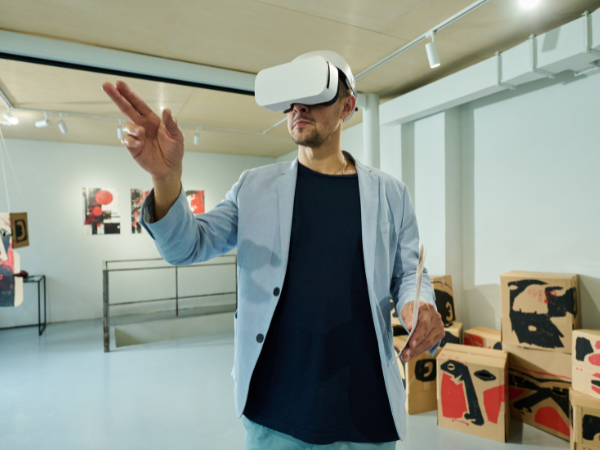
- Integration of VR headsets for immersive viewing.
- Use of AR to overlay art in real spaces.
- Interactive features like clickable descriptions and audio guides.
This rise reflects a shift in how audiences consume culture. Instead of passively viewing art, visitors now interact with it, creating personal journeys through digital spaces. Virtual exhibitions have become more than substitutes for physical visits—they are unique experiences that expand the definition of art appreciation.
Technology Driving Immersive Art
The evolution of immersive art online is inseparable from technological innovation. High‑resolution imaging, 3D modeling, and VR platforms have enabled artists and institutions to create lifelike digital environments. These tools allow audiences to explore artworks in detail, zooming into brushstrokes or navigating entire installations.
Technological drivers include:
- VR headsets for full immersion.
- AR apps for blending digital art with real environments.
- 3D scanning for accurate reproductions.
- Cloud platforms for global accessibility.
- AI tools for personalized recommendations.
Technology has not only enhanced accessibility but also expanded creative possibilities. Artists can design works that exist only in digital form, challenging traditional boundaries. As hardware becomes more affordable and software more intuitive, immersive art online will continue to grow, democratizing access to cultural experiences worldwide.
Accessibility and Global Reach
One of the greatest strengths of virtual exhibitions is accessibility. Traditional museums often limit access due to location, cost, or physical barriers. Online platforms remove these obstacles, allowing anyone with an internet connection to explore world‑class art. This inclusivity has opened doors for audiences who might never have visited a physical gallery.
Accessibility benefits include:
- Free or low‑cost entry to exhibitions.
- Global reach across continents.
- Options for people with mobility challenges.
- Multilingual guides for diverse audiences.
- 24/7 availability without time restrictions.
By expanding reach, virtual exhibitions foster cultural exchange and inclusivity. They allow students, researchers, and enthusiasts worldwide to engage with art in meaningful ways. This accessibility ensures that art is no longer confined to elite spaces but becomes a shared global resource, enriching communities everywhere.
Interactive Features in Online Exhibitions
Virtual exhibitions thrive on interactivity. Unlike static displays, immersive platforms encourage audiences to engage directly with artworks. Interactive features transform passive viewing into active exploration, making the experience more memorable and educational.
Interactive elements include:
- Clickable hotspots with detailed information.
- Audio guides narrated by curators or artists.
- Virtual workshops and live Q&A sessions.
- Gamified experiences like quizzes or treasure hunts.
- Social sharing options for collaborative engagement.
These features deepen audience connection with art. Visitors can learn, question, and even co‑create, making exhibitions dynamic rather than static. Interactivity ensures that online exhibitions are not mere replicas of physical spaces but unique experiences that foster engagement and discovery.
The Role of Social Media in Virtual Art
Social media has become a powerful tool in promoting and expanding virtual exhibitions. Platforms like Instagram, TikTok, and YouTube allow artists and institutions to share immersive previews, behind‑the‑scenes content, and interactive campaigns. This integration amplifies reach and encourages audiences to participate in digital art communities.
Social media contributions include:
- Live streaming of exhibition tours.
- Interactive polls and audience feedback.
- Viral challenges inspired by artworks.
- Influencer collaborations to expand reach.
- User‑generated content showcasing personal experiences.
Social media transforms exhibitions into shared cultural events. By encouraging participation and dialogue, it bridges the gap between institutions and audiences. This synergy ensures that immersive art online is not isolated but part of a vibrant, global conversation about creativity and culture.
Challenges of Virtual Exhibitions
Despite their promise, virtual exhibitions face challenges. Technical limitations, digital fatigue, and questions of authenticity can hinder audience engagement. Some visitors miss the sensory experience of being physically present with art, while others struggle with access to advanced technology.
Key challenges include:
- Limited access to VR hardware.
- Digital fatigue from prolonged screen use.
- Difficulty replicating physical scale and texture.
- Concerns about authenticity of digital reproductions.
- Technical glitches affecting user experience.
Acknowledging these challenges is essential for growth. Institutions must balance innovation with accessibility, ensuring that immersive art remains inclusive. Overcoming these obstacles will require collaboration between artists, technologists, and educators to refine the virtual exhibition model.
Educational Opportunities in Virtual Art
Virtual exhibitions are powerful educational tools. They provide students and researchers with access to curated collections, interactive learning modules, and expert commentary. By integrating multimedia, they make art history and theory more engaging and accessible.
Educational benefits include:
- Virtual lectures and guided tours.
- Interactive timelines and historical context.
- Multimedia resources like videos and animations.
- Collaborative projects across schools and universities.
- Accessible archives for research and study.
These opportunities transform art education, making it more dynamic and inclusive. Virtual exhibitions allow learners to explore beyond textbooks, engaging directly with artworks and narratives. This integration ensures that immersive art online is not only cultural entertainment but also a vital educational resource.
Future Trends in Immersive Art Online
The future of virtual exhibitions promises even greater innovation. Emerging technologies like haptic feedback, AI‑driven personalization, and blockchain authentication will redefine how audiences experience and value art. These trends suggest a future where digital and physical art coexist seamlessly.
Future trends include:
- Haptic gloves for tactile interaction.
- AI personalization for tailored experiences.
- Blockchain for verifying digital art ownership.
- Hybrid exhibitions blending online and physical spaces.
- Expanded use of metaverse platforms.
These innovations will push immersive art beyond current boundaries. As technology evolves, audiences will experience art in ways unimaginable today. The future of virtual exhibitions lies in blending creativity with innovation, ensuring art remains relevant and accessible in the digital age.
The Cultural Impact of Virtual Exhibitions
Virtual exhibitions have reshaped cultural engagement. They democratize access, foster global dialogue, and encourage innovation in artistic expression. By breaking traditional barriers, they redefine how societies interact with art and culture.
Cultural impacts include:
- Democratization of art access.
- Expansion of global cultural exchange.
- New opportunities for artists to experiment.
- Redefinition of museum and gallery roles.
- Increased public participation in cultural discourse.
The cultural impact of immersive art online is profound. It ensures that art is not confined to physical spaces but becomes a shared, evolving experience. By embracing virtual exhibitions, societies affirm that creativity and culture are universal, accessible, and essential to human connection.