Collage art is one of the most accessible and creative forms of visual expression. It allows beginners to combine paper, photographs, textures, and found objects into unique compositions without needing advanced drawing or painting skills. This guide provides step‑by‑step tutorials, practical tips, and inspiring ideas to help you start your collage journey with confidence and creativity.
What is Collage Art?
Collage art is the practice of assembling different materials onto a surface to create a unified composition. It can be as simple as gluing magazine cutouts or as complex as layering fabrics, paints, and textures. Beginners often find collage approachable because it doesn’t require technical mastery—just imagination and experimentation.
Key elements of collage art include:
- Paper scraps, photographs, or magazine clippings
- Glue, scissors, and a sturdy base (canvas or cardboard)
- Layering techniques to add depth and contrast
- Themes or moods to guide your design
- Freedom to mix styles and materials
Collage encourages playfulness and exploration. By combining unrelated items, you can create surprising connections and visual stories. This makes it a perfect starting point for anyone new to art, offering both structure and freedom in equal measure.
Essential Tools and Materials
Before starting, it’s important to gather the right supplies. Collage doesn’t require expensive tools, but having a basic kit ensures smoother creative flow. Think of your materials as building blocks for your imagination.
Beginner’s collage toolkit:
- Scissors or craft knives for precise cutting
- Glue sticks, liquid glue, or Mod Podge for adhesion
- Cardboard, canvas, or thick paper as a base
- Magazines, newspapers, and old books for cutouts
- Decorative papers, fabrics, or textured scraps
- Optional extras: paint, markers, or stencils
With these essentials, you can experiment endlessly. The beauty of collage lies in its flexibility—you can recycle everyday items and transform them into art. Having a dedicated box for scraps and textures will help you stay organized and inspired.
Choosing a Theme for Your Collage
Themes give direction to your collage and help unify the design. Beginners often struggle with random placement, so having a guiding idea makes the process easier and more intentional.
Popular beginner themes:
- Nature: leaves, flowers, landscapes
- Travel: maps, tickets, postcards
- Emotions: colors and images that reflect moods
- Abstract: geometric shapes and textures
- Storytelling: combining images to narrate a scene
A theme doesn’t limit creativity—it provides a framework. For example, a “travel” collage might mix vintage maps with photos of destinations, while an “abstract” collage could focus on bold colors and shapes. Themes help your collage feel cohesive rather than chaotic.
Step-by-Step Beginner Tutorial
Starting your first collage can feel overwhelming, but breaking it into steps makes it manageable. Follow this simple process to create your first piece.
Steps to create a collage:
- Select a sturdy base (canvas, cardboard, or thick paper).
- Choose a theme or mood to guide your design.
- Collect materials—magazine clippings, photos, scraps.
- Arrange pieces loosely before gluing.
- Experiment with layering and overlapping.
- Glue items carefully, smoothing edges.
- Add finishing touches with paint or markers.
This process ensures your collage develops naturally. Don’t rush—take time to rearrange pieces until the composition feels balanced. The act of experimenting is as important as the final result.
Layering Techniques for Depth
Layering is what makes collages visually rich. Beginners often place items flat, but adding depth creates interest and dimension. Think of your collage as a stage where each piece plays a role.
Layering methods:
- Overlapping images to create contrast
- Using transparent materials like tissue paper
- Adding textured scraps (fabric, lace, cardboard)
- Combining large background pieces with small details
- Creating focal points with bold colors or shapes
Layering transforms a simple collage into a dynamic artwork. It allows you to highlight certain areas while keeping others subtle. Experiment with different textures and transparencies to discover unique effects.
Creating Abstract Collages
Abstract collages focus on shapes, colors, and textures rather than realistic images. They are perfect for beginners who want freedom without rules. Abstract art encourages intuition and personal expression.
Abstract collage ideas:
- Geometric shapes cut from colored paper
- Bold color contrasts for dramatic effect
- Random textures like fabric or foil
- Repetition of patterns for rhythm
- Minimalist designs with negative space
Abstract collages are liberating because there’s no “wrong” way to make them. They allow you to explore composition and balance without worrying about realism. This makes them an excellent exercise for developing artistic confidence.
Collage with Photographs
Photographs add personal meaning to collages. Beginners can use old family photos, travel snapshots, or printed images to create memory‑based artworks. Mixing photos with other materials enhances storytelling.
Ways to use photos in collages:
- Combine with magazine clippings for contrast
- Frame photos with decorative paper borders
- Layer photos with transparent tissue or paint
- Create a narrative sequence with multiple images
- Highlight emotions by pairing photos with symbolic objects
Photo collages are powerful because they blend personal memories with artistic creativity. They can serve as keepsakes, gifts, or simply a way to preserve moments in a unique format.
Mixed Media Collage Ideas
Collage doesn’t have to be limited to paper. Mixed media combines different art forms, making your work more dynamic. Beginners can experiment with paint, fabric, and found objects to expand their creativity.
Mixed media materials:
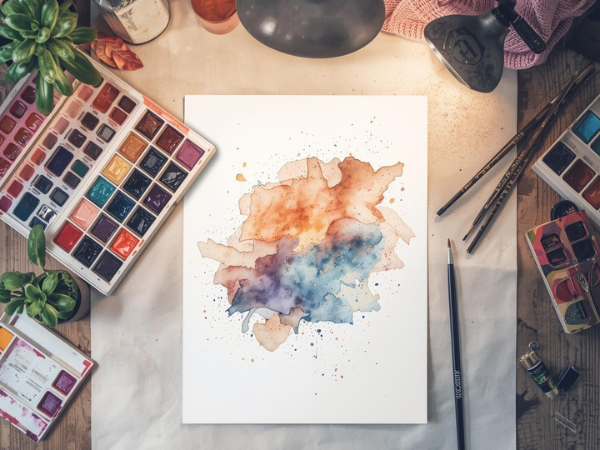
- Acrylic paint or watercolor backgrounds
- Fabric scraps for texture
- Buttons, beads, or small objects
- Stencils and stamps for patterns
- Ink or marker details
Mixed media collages encourage exploration beyond traditional boundaries. They allow you to merge painting, drawing, and crafting into one piece. This versatility makes collage endlessly exciting and adaptable.
Tips for Beginners to Improve
Collage is simple to start but takes practice to master. Beginners often benefit from small adjustments that improve their results. These tips help refine your technique and boost confidence.
Beginner tips:
- Start small—mini collages are less intimidating
- Use a limited color palette for harmony
- Keep scraps organized for easy access
- Experiment with different adhesives
- Study other artists’ collages for inspiration
Improvement comes with practice. Don’t be afraid to make mistakes—collage is forgiving. Each attempt teaches you something new about composition, balance, and creativity.
Final Thoughts on Collage Creations
Collage art is a gateway to creativity for beginners. It requires minimal tools, encourages experimentation, and offers endless possibilities. Whether you choose abstract designs, photo collages, or mixed media, the process is always rewarding. By following these tutorials and tips, you’ll develop confidence and discover your unique artistic voice. Collage is more than cutting and pasting—it’s storytelling through fragments, a way to transform everyday materials into meaningful art.