Nature has always been a profound source of inspiration for artists across cultures and centuries. From the delicate beauty of flowers to the vastness of landscapes, the natural world provides endless motifs, colors, and emotions that shape artistic expression. Many renowned artists have drawn upon nature not only as a subject but also as a philosophy, embedding its rhythms and patterns into their creative work. This article explores what it means to be an artist inspired by nature, how nature has influenced art through history, and highlights five notable figures whose work exemplifies this connection.
What Does It Mean to Be an Artist Inspired by Nature?
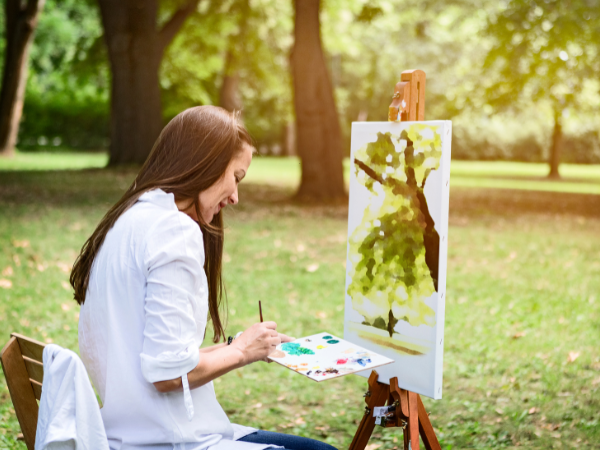
Artists inspired by nature are those who find their creative spark in the environment around them. This inspiration can manifest in paintings of landscapes, sculptures made from natural materials, or abstract works that capture the essence of organic forms. Being inspired by nature often means embracing its unpredictability, cycles, and beauty, translating them into artistic language.
- Observation of landscapes – Artists carefully study mountains, rivers, forests, and skies.
- Use of natural materials – Some incorporate wood, stone, leaves, or even ice into their work.
- Symbolism of growth and decay – Nature’s cycles often symbolize life, death, and renewal.
- Emotional resonance – The serenity or chaos of nature can mirror human emotions.
- Environmental awareness – Many artists highlight ecological concerns through their creations.
Ultimately, being an artist inspired by nature is about more than representation; it is about connection. These artists remind us of our place within the natural world and encourage us to see beauty in both its grandeur and its smallest details.
How Nature Has Influenced Art Through History
Throughout history, nature has been a central theme in artistic traditions. Ancient cave paintings depicted animals essential to survival, while classical civilizations celebrated natural beauty in sculpture and architecture. The Renaissance brought detailed botanical studies, and the Romantic era emphasized emotional landscapes.
- Prehistoric art – Cave paintings of bison, deer, and horses.
- Classical antiquity – Greek and Roman depictions of gods tied to natural forces.
- Renaissance – Detailed studies of plants and anatomy.
- Romanticism – Dramatic landscapes symbolizing human emotion.
- Modern movements – Abstract interpretations of organic forms.
Nature’s influence is timeless, adapting to cultural shifts and artistic innovations. Whether through realism or abstraction, artists continue to reinterpret the natural world, ensuring its presence remains vital in creative expression.
5 Notable Artists Inspired by Nature
Many artists have become synonymous with their depictions of nature. Their works not only showcase technical mastery but also reveal deep philosophical engagement with the environment.
- Claude Monet – Impressionist painter of gardens and water lilies.
- Vincent van Gogh – Expressive depictions of fields, flowers, and skies.
- Georgia O’Keeffe – Iconic floral and desert landscapes.
- Andy Goldsworthy – Sculptures made directly from natural materials.
- Ansel Adams – Photographer capturing the majesty of American landscapes.
These artists demonstrate the diverse ways nature can inspire creativity, from brushstrokes to installations. Each one offers a unique interpretation, reminding us of the endless possibilities the natural world provides.
Claude Monet and His Gardens and Landscapes
Claude Monet, a founder of Impressionism, is celebrated for his ability to capture fleeting moments of light and atmosphere in natural settings. His gardens at Giverny became his lifelong muse, inspiring countless paintings of water lilies, Japanese bridges, and blooming flowers.
- Water lilies series – Iconic works exploring reflection and color.
- Japanese bridge – Symbol of tranquility and harmony.
- Haystacks – Studies of light across seasons.
- Rouen Cathedral series – Though architectural, it reflects natural light’s impact.
- Giverny gardens – His personal paradise transformed into art.
Monet’s work demonstrates how nature can be both subject and medium. His brushstrokes mimic the fluidity of water and the softness of petals, creating immersive experiences that continue to captivate audiences worldwide.
Vincent van Gogh and His Natural World
Vincent van Gogh’s art is infused with the vitality of nature. His expressive brushwork and bold colors bring fields, flowers, and skies to life. Despite personal struggles, van Gogh found solace in the natural world, painting it with intensity and emotion.
- Sunflowers – Vibrant depictions of growth and decay.
- Starry Night – Cosmic interpretation of the night sky.
- Wheatfield with Crows – Symbolic of turmoil and transition.
- Irises – Detailed studies of floral beauty.
- Olive trees – Spiritual connection to landscapes.
Van Gogh’s natural subjects are not passive; they pulse with energy and emotion. His art reveals how deeply human experience is intertwined with the rhythms of the earth and sky.
Georgia O’Keeffe and Her Nature-Inspired Art
Georgia O’Keeffe is renowned for her large-scale paintings of flowers and desert landscapes. Her work magnifies natural forms, inviting viewers to see them anew. By focusing on details often overlooked, O’Keeffe transformed petals, bones, and mountains into powerful symbols.
- Flower paintings – Enlarged blossoms emphasizing form and color.
- Desert landscapes – Inspired by New Mexico’s vast terrain.
- Animal bones – Symbolic of life and death in nature.
- Sky Above Clouds – Expansive interpretations of natural vistas.
- Lake George works – Early depictions of lush environments.
O’Keeffe’s art bridges realism and abstraction, showing how nature can be both literal and symbolic. Her perspective encourages us to appreciate the intricacies of the natural world.
Andy Goldsworthy and Art Made From Nature
Andy Goldsworthy is a contemporary artist who works directly with natural materials. His sculptures and installations are created from leaves, stones, ice, and branches, often existing only temporarily before returning to the earth.
- Leaf mosaics – Patterns formed from vibrant foliage.
- Stone cairns – Sculptures balancing natural elements.
- Ice sculptures – Ephemeral works shaped by temperature.
- River projects – Installations interacting with water flow.
- Seasonal art – Works reflecting cycles of nature.
Goldsworthy’s art emphasizes impermanence and the interconnectedness of humans and the environment. His creations remind us that art, like nature, is dynamic and ever-changing.