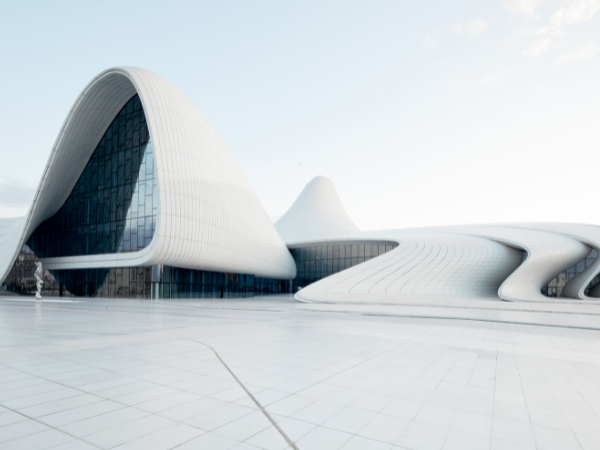
Museums are more than just spaces to display art and history—they are themselves works of art, shaped by the vision of world-renowned architects. These buildings often become cultural landmarks, attracting visitors not only for their collections but also for their architectural brilliance.
What Makes a Museum an Architectural Masterpiece?
A museum becomes an architectural masterpiece when it transcends functionality and becomes a symbol of creativity, innovation, and cultural identity. Architects design museums to inspire awe, guide visitors through immersive spaces, and reflect the values of the societies they serve.
Key elements that define architectural masterpieces in museums include:
- Innovative Design – Unique shapes, structures, or layouts that challenge conventional architecture.
- Integration with Environment – Harmonizing with natural landscapes or urban surroundings.
- Visitor Experience – Spaces that enhance engagement with art and history.
- Symbolic Meaning – Designs that embody cultural or historical narratives.
- Use of Materials – Creative application of glass, steel, stone, or concrete to achieve aesthetic and structural goals.
Ultimately, a museum’s architecture should evoke emotion, spark curiosity, and leave a lasting impression. These qualities transform a building into a cultural icon, admired as much as the treasures it houses.
5 Museums Designed by Famous Architects
Across the world, several museums stand out as architectural marvels, each designed by a visionary architect. These buildings are celebrated not only for their collections but also for their groundbreaking designs.
Examples of iconic museums include:
- The Guggenheim Museum – Frank Lloyd Wright’s spiral masterpiece in New York.
- The Louvre Pyramid – I. M. Pei’s striking glass structure in Paris.
- The MAXXI – Zaha Hadid’s bold contemporary museum in Rome.
- The Pompidou Centre – Piano and Rogers’ radical design in Paris.
- The Getty Center – Richard Meier’s serene hilltop complex in Los Angeles.
Each of these museums demonstrates how architecture can elevate cultural spaces into unforgettable experiences. They are destinations in their own right, admired by architects, artists, and travelers alike.
The Guggenheim Museum: Frank Lloyd Wright’s Iconic Design
The Guggenheim Museum in New York City is one of the most recognizable museums in the world. Designed by Frank Lloyd Wright, it broke away from traditional rectangular galleries and introduced a spiraling ramp that guides visitors upward in a continuous flow.
Defining features of the Guggenheim include:
- Spiral Ramp – A unique circular pathway for viewing art.
- Organic Form – Inspired by natural shapes, emphasizing harmony.
- Concrete Exterior – Smooth, white façade that stands out in Manhattan.
- Immersive Experience – Visitors engage with art in motion rather than static rooms.
- Architectural Landmark – A cultural icon beyond its art collection.
Wright’s design transformed museum architecture, proving that the building itself could be as compelling as the art inside. The Guggenheim remains a symbol of innovation and modernism.
The Louvre Pyramid: I. M. Pei’s Modern Landmark
In Paris, the Louvre Pyramid designed by I. M. Pei redefined the entrance to the world’s most visited museum. Completed in 1989, the glass-and-metal pyramid sparked controversy but ultimately became a beloved landmark.
Key aspects of the Louvre Pyramid include:
- Glass Structure – Transparent design blending modernity with history.
- Geometric Precision – Perfectly proportioned pyramid form.
- Functional Entrance – Streamlined access to the museum’s vast collections.
- Symbol of Modernity – A bold contrast to the classical Louvre Palace.
- Global Recognition – Instantly recognizable worldwide.
Pei’s design demonstrated how modern architecture could coexist with centuries-old heritage, creating a dialogue between past and present. Today, the pyramid is inseparable from the Louvre’s identity.
The MAXXI: Zaha Hadid’s Vision of Contemporary Architecture
Rome’s MAXXI (National Museum of 21st Century Arts) showcases Zaha Hadid’s futuristic approach to architecture. Opened in 2010, the museum embodies fluidity, movement, and innovation.
Highlights of the MAXXI include:
- Dynamic Layout – Curved walls and intersecting pathways.
- Concrete and Glass – Bold use of materials for dramatic effect.
- Flexible Spaces – Adaptable galleries for diverse exhibitions.
- Urban Integration – Seamlessly connected to Rome’s cityscape.
- Hadid’s Signature Style – Emphasis on fluidity and futuristic vision.
The MAXXI reflects Hadid’s philosophy of architecture as an evolving landscape. It is both a cultural hub and a striking piece of contemporary design.
The Pompidou Centre: Renzo Piano and Richard Rogers’ Bold Design
The Pompidou Centre in Paris is one of the most radical museum designs ever created. Designed by Renzo Piano and Richard Rogers, it turned architecture inside out by exposing structural elements on the exterior.
Distinctive features of the Pompidou Centre include:
- Exposed Infrastructure – Pipes, ducts, and beams visible on the outside.
- Color-Coded Systems – Blue for air, green for water, red for elevators.
- Flexible Interiors – Open spaces adaptable for exhibitions.
- Urban Landmark – A bold statement in central Paris.
- Cultural Hub – Houses museum, library, and performance spaces.
The Pompidou challenged traditional aesthetics, proving that functionality and boldness could coexist. It remains a symbol of avant-garde architecture and cultural innovation.
The Getty Center: Richard Meier’s Architectural Masterpiece
Perched on a hilltop in Los Angeles, the Getty Center designed by Richard Meier is a serene complex that blends art, architecture, and landscape. Opened in 1997, it is admired for its harmony and elegance.
Key elements of the Getty Center include:
- Travertine Stone – Warm, natural material used throughout.
- Modernist Design – Clean lines and geometric precision.
- Panoramic Views – Overlooks Los Angeles and the Pacific Ocean.
- Integrated Gardens – Landscaped spaces complementing the museum.
- Cultural Destination – A place for art, architecture, and nature.
Meier’s design emphasizes clarity, light, and openness. The Getty Center is not only a museum but also a retreat, offering visitors a holistic cultural experience.
How Famous Architects Transform Museum Spaces
Famous architects transform museums by reimagining how people interact with art and space. Their designs go beyond walls and galleries, creating immersive journeys that shape cultural identity.
Key ways architects transform museum spaces include:
- Redefining Layouts – Introducing unconventional circulation paths, ramps, or spirals that guide visitors naturally through exhibitions.
- Blending Past and Present – Integrating modern structures with historic sites to create dialogue between eras.
- Enhancing Engagement – Designing interactive galleries, flexible spaces, and dynamic lighting that heighten visitor involvement.
- Creating Landmarks – Crafting bold exteriors that become symbols of cities and cultural identity.
- Innovating Materials – Using glass, steel, stone, or concrete in imaginative ways to achieve both durability and aesthetic impact.
By reimagining space, architects transform museums into cultural journeys rather than static buildings. Their vision ensures that every corridor, gallery, and façade contributes to storytelling.