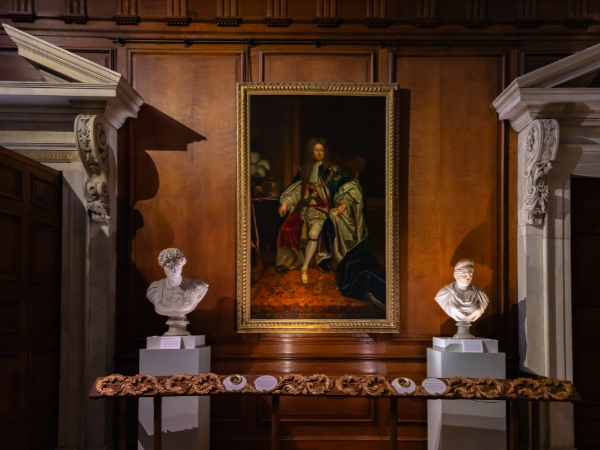
Oil paintings are among the most enduring forms of art, admired not only for their beauty but also for their remarkable longevity. From Renaissance masterpieces to Baroque canvases, many works have survived hundreds of years with their colors still vibrant and their details intact. This durability is not accidental—it is the result of careful material choices, chemical properties of oil paints, and preservation techniques that protect them from environmental damage.
What Makes Oil Paintings Last for Centuries?
Oil paintings endure because of the unique chemistry of drying oils and the way artists prepare their works. The slow drying process allows pigments to be locked into a flexible yet resilient film that resists cracking when properly maintained. Over centuries, this film hardens into a stable layer that can withstand environmental changes better than many other mediums.
- Stable pigment binding – Oil molecules polymerize, creating a strong film.
- Flexibility of oil layers – Prevents cracking compared to brittle tempera.
- Protective varnish coatings – Shields colors from dust and UV light.
- Durable supports – Canvas and wood provide structural stability.
- Conservation practices – Museums regulate climate and restore damaged areas.
Together, these factors explain why oil paintings can remain vibrant for centuries. The combination of science and artistry ensures that works by masters like Rembrandt or Vermeer still captivate audiences today.
How Oil Paints Change as They Age
Oil paints do not remain static; they undergo chemical transformations over time. Initially, the paint film is flexible, but as oils oxidize, they harden and sometimes yellow. Pigments may also react with the oil, altering color slightly. These changes are natural and part of the painting’s history.
- Oxidation of oils – Causes gradual hardening and yellowing.
- Pigment interactions – Some pigments darken or fade.
- Craquelure formation – Fine cracks appear with age.
- Environmental exposure – Light and humidity accelerate changes.
- Restoration efforts – Cleaning and varnish removal can reveal original colors.
Despite these changes, oil paintings often retain their beauty. The patina of age adds character, and careful conservation can reverse some discoloration, allowing viewers to appreciate the original brilliance.
The Role of Canvas, Wood, and Other Supports
The surface on which oil paint is applied plays a crucial role in longevity. Canvas, wood panels, and even metal have been used historically, each offering different benefits and challenges.
- Canvas – Flexible, lightweight, and resistant to warping.
- Wood panels – Stable but prone to cracking if humidity fluctuates.
- Metal supports – Rare, but highly durable against moisture.
- Ground layers – Gesso or priming prevents oil absorption.
- Framing and stretching – Maintains tension and prevents sagging.
The choice of support influences how well a painting withstands centuries of environmental stress. Proper preparation and maintenance ensure that the paint film remains intact and secure.
What Makes Oil Paintings So Durable?
Durability comes from the synergy of materials and techniques. Oil paints form a protective film, supports provide stability, and varnish adds an extra shield. Unlike watercolors or frescoes, oils resist fading and mechanical damage more effectively.
- Resistant to moisture – Oil films repel water better than tempera.
- Slow drying process – Creates a strong polymerized layer.
- Compatibility with pigments – Wide range of stable colors.
- Protective coatings – Varnish enhances resilience.
- Adaptability to restoration – Oils can be cleaned and retouched.
This durability explains why oil painting became the dominant medium in Europe from the Renaissance onward, replacing earlier techniques that lacked such resilience.
Why Linseed Oil and Other Binders Matter
The binder in oil paint is what holds pigment particles together. Linseed oil is the most common, prized for its ability to dry into a tough, flexible film. Other oils, like walnut or poppyseed, are also used, each with unique properties.
- Linseed oil – Strong, durable, but prone to yellowing.
- Walnut oil – Less yellowing, slower drying.
- Poppyseed oil – Ideal for light colors, but less durable.
- Drying process – Oils oxidize and polymerize into a solid film.
- Impact on longevity – Binder choice affects stability and color retention.
The binder is the backbone of oil paint. Without it, pigments would not adhere properly, and the painting would quickly deteriorate.
How Varnish Protects an Oil Painting
Varnish is a transparent layer applied over finished paintings to protect them from dust, pollutants, and UV radiation. It also enhances color depth and gloss.
- Dust protection – Prevents particles from embedding in paint.
- UV shielding – Reduces fading from sunlight.
- Color enhancement – Deepens tones and adds brilliance.
- Removable layer – Can be cleaned or replaced during restoration.
- Barrier against moisture – Helps stabilize the surface.
Varnish is both aesthetic and functional. While it may yellow over time, conservators can remove and reapply it, restoring the painting’s original vibrancy.
Temperature, Humidity, and Light: What Causes Damage?
Environmental conditions are the greatest threats to oil paintings. Fluctuations in temperature and humidity cause expansion and contraction, leading to cracks. Excessive light fades pigments and damages varnish.
- High humidity – Promotes mold and warping.
- Low humidity – Causes brittleness and cracking.
- Temperature fluctuations – Stress the paint and support.
- Direct sunlight – Fades pigments and yellows varnish.
- Pollutants – Dust and smoke degrade surfaces.
Museums carefully control these factors to ensure paintings remain stable. Private collectors must also be mindful of where they display their artworks.
How Museums Preserve Centuries-Old Oil Paintings
Museums employ advanced conservation techniques to protect masterpieces. From climate control to digital monitoring, every detail is considered.
- Climate regulation – Stable humidity and temperature.
- Protective glazing – Glass shields against dust and UV.
- Restoration labs – Experts clean and repair damaged areas.
- Digital imaging – Tracks changes over time.
- Preventive care – Regular inspections and maintenance.
These efforts ensure that works by artists like Leonardo da Vinci or Caravaggio remain accessible to future generations, preserving cultural heritage.
Common Causes of Oil Painting Deterioration
Despite their durability, oil paintings are not immune to damage. Human error, environmental neglect, and natural aging all contribute to deterioration.
- Improper storage – Damp or unregulated environments.
- Accidental damage – Tears, scratches, or spills.
- Poor restoration – Overpainting or harsh cleaning methods.
- Neglect – Dust accumulation and fading from light.
- Natural aging – Oxidation and craquelure formation.
Understanding these causes helps collectors and conservators take preventive measures. With proper care, oil paintings can continue to inspire for centuries more.