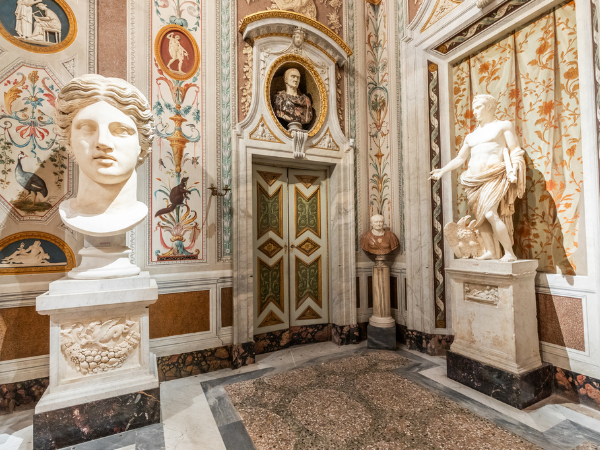
Sculpture museums are unique cultural spaces where art comes alive in three dimensions. Unlike paintings or photographs, sculptures invite viewers to walk around them, observe from different angles, and experience the interplay of light, shadow, and texture. From ancient marble statues to modern abstract forms, these museums preserve humanity’s creativity across centuries. Visiting them is not just about admiring masterpieces—it’s about connecting with history, culture, and innovation in a tangible way.
Why Visit a Sculpture Museum?
Sculpture museums offer more than just visual enjoyment; they provide immersive encounters with art that can’t be replicated in books or digital images. Each piece tells a story, whether it’s a religious icon, a political monument, or a modern experiment in form.
- Cultural immersion – Learn how societies expressed beliefs and values through sculpture.
- Educational value – Museums often provide detailed context, helping visitors understand techniques and symbolism.
- Emotional impact – Sculptures evoke awe, reflection, and inspiration in ways flat art cannot.
- Architectural synergy – Many sculpture museums are housed in stunning buildings that enhance the experience.
- Interactive spaces – Some museums allow tactile exploration or digital engagement with artworks.
Ultimately, visiting a sculpture museum is about experiencing art in its most physical form. It’s a chance to step into the creative dialogue between artists and audiences across centuries.
Best Sculpture Museums Around the World
Across continents, sculpture museums showcase extraordinary collections that highlight both tradition and innovation. These institutions are cultural landmarks, drawing millions of visitors annually.
- Louvre Museum (Paris, France) – Home to classical Greek and Roman sculptures, including the Venus de Milo.
- Vatican Museums (Rome, Italy) – Renowned for Renaissance masterpieces and ancient Roman statues.
- Rodin Museum (Paris, France) – Dedicated to Auguste Rodin’s works, including The Thinker.
- Metropolitan Museum of Art (New York, USA) – Features global sculpture from antiquity to modern times.
- Hermitage Museum (St. Petersburg, Russia) – Houses one of the world’s largest collections of classical art.
These museums are not just repositories of art—they are cultural hubs where history, creativity, and human expression converge. Each visit offers a journey through time and imagination.
Famous Sculpture Collections You Shouldn’t Miss
Some collections stand out for their historical significance and artistic brilliance. They represent milestones in human creativity and are must-sees for art lovers.
- Greek antiquities – Iconic marble statues like the Discobolus.
- Renaissance masterpieces – Works by Michelangelo, Donatello, and Bernini.
- Asian sculpture – Intricate Buddhist and Hindu carvings from India, China, and Japan.
- African sculpture – Traditional masks and figures reflecting cultural heritage.
- Pre-Columbian art – Sculptures from ancient civilizations of the Americas.
These collections highlight the diversity of human expression. They remind us that sculpture is not confined to one culture or era—it is a universal language of creativity.
Modern and Contemporary Sculpture Museums
Modern sculpture museums celebrate innovation, abstraction, and experimentation. They showcase works that challenge traditional notions of form and meaning.
- MoMA (New York, USA) – Features groundbreaking modernist sculptures.
- Tate Modern (London, UK) – Known for avant-garde installations.
- Guggenheim Museum (Bilbao, Spain) – Houses contemporary sculptures in a striking architectural setting.
- Centre Pompidou (Paris, France) – Focuses on modern and postmodern works.
- National Gallery of Art (Washington, D.C., USA) – Includes modern sculpture gardens.
These museums highlight how sculpture continues to evolve, reflecting contemporary issues, materials, and artistic visions.
Open-Air Sculpture Parks Worth Visiting
Sculpture parks combine art with nature, offering unique outdoor experiences. They allow visitors to enjoy monumental works in open landscapes.
- Storm King Art Center (New York, USA) – Expansive park with large-scale modern sculptures.
- Hakone Open-Air Museum (Japan) – Features works by Picasso and Henry Moore.
- Yorkshire Sculpture Park (UK) – Showcases contemporary outdoor installations.
- Vigeland Park (Oslo, Norway) – Dedicated to Gustav Vigeland’s monumental works.
- Laumeier Sculpture Park (St. Louis, USA) – Known for diverse outdoor exhibits.
These parks blend art with environment, creating immersive experiences where sculptures interact with landscapes, seasons, and natural light.
Hidden Sculpture Museums for Art Lovers
Beyond famous institutions, hidden gems offer intimate encounters with sculpture. They often feature niche collections or unique curatorial approaches.
- Museo Marino Marini (Florence, Italy) – Focused on Marino Marini’s modernist works.
- Isamu Noguchi Museum (New York, USA) – Dedicated to Noguchi’s innovative designs.
- Museo de Escultura (Valladolid, Spain) – Specializes in Spanish religious sculpture.
- Fundación Eduardo Chillida (Spain) – Celebrates Chillida’s monumental creations.
- Museo Horno de la Cal (Granada, Spain) – A small but fascinating sculpture space.
Exploring these hidden museums offers fresh perspectives and quieter experiences, away from the crowds of major institutions.
Tips for Planning a Sculpture Museum Tour
Planning a sculpture museum tour requires balancing logistics with artistic interests. A well-prepared itinerary ensures a rewarding experience.
- Research collections – Identify museums with works that match your interests.
- Check exhibitions – Temporary exhibits may feature rare pieces.
- Book tickets – Reserve in advance to avoid long queues.
- Allow time – Sculptures deserve slow, thoughtful viewing.
- Combine visits – Pair museums with nearby cultural attractions.
By planning carefully, you can maximize your exposure to diverse collections and enjoy a seamless cultural journey.
What Makes a Great Sculpture Museum?
A great sculpture museum is defined not only by its collection but also by its presentation, accessibility, and atmosphere.
- Curatorial vision – Thoughtful organization enhances appreciation.
- Architectural design – Buildings that complement sculptures elevate the experience.
- Visitor engagement – Interactive guides and workshops enrich learning.
- Global diversity – Collections spanning cultures broaden perspectives.
- Sustainability – Eco-conscious practices ensure long-term preservation.
Ultimately, a great sculpture museum inspires visitors, fosters cultural dialogue, and preserves artistic heritage for future generations.


