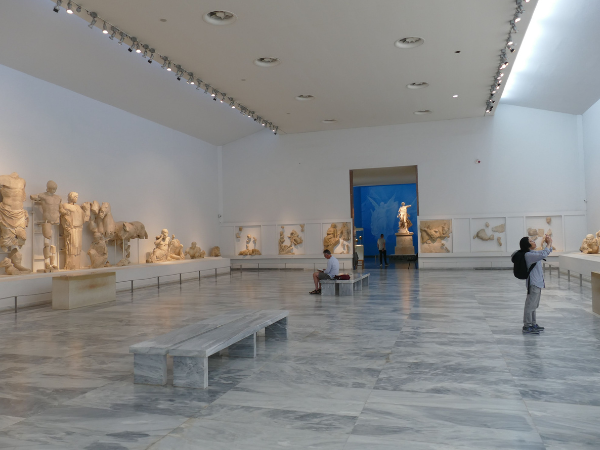
Art museums are often associated with famous institutions like the Louvre or the Metropolitan Museum of Art, but beyond these iconic landmarks lies a world of hidden treasures. These lesser-known museums offer unique collections, intimate atmospheres, and cultural experiences that rival their world-famous counterparts. Exploring them allows travelers to connect with art in a more personal way, away from the crowds and tourist-heavy spaces. Hidden art museums are often located in small towns, historic buildings, or tucked-away neighborhoods, making the journey itself part of the adventure.
Why Hidden Art Museums Are Worth Visiting
Hidden art museums provide a refreshing alternative to mainstream institutions. They often showcase rare collections, regional artists, and experimental exhibits that you won’t find elsewhere. Unlike large museums, these spaces allow visitors to slow down and truly absorb the art without distraction.
- Unique Collections – Rare works and specialized themes not found in major museums.
- Intimate Atmosphere – Smaller crowds create a personal connection with the art.
- Local Culture – Exhibits often highlight regional traditions and artists.
- Architectural Charm – Many are housed in historic or unusual buildings.
- Affordable Access – Lower ticket prices compared to world-famous museums.
Visiting these hidden gems enriches your travel experience by offering authenticity and discovery. They remind us that art is not only about prestige but also about connection, storytelling, and cultural preservation.
What Makes an Art Museum a Hidden Gem?
A hidden gem in the art world is defined by its uniqueness, accessibility, and the sense of discovery it provides. These museums may not be widely advertised, but they hold treasures that surprise and delight visitors.
- Specialized Focus – Dedicated to niche art forms or specific artists.
- Unconventional Location – Found in small towns, private estates, or repurposed spaces.
- Rare Exhibits – Collections that are difficult to find elsewhere.
- Community Engagement – Strong ties with local artists and residents.
- Authentic Experience – Less commercialized, offering genuine cultural immersion.
Such museums stand out because they offer something different from the mainstream. They invite travelers to step off the beaten path and discover art in unexpected places, making the experience memorable and deeply rewarding.
Hidden Art Museums Worth Traveling For
Around the world, there are countless hidden museums that deserve recognition. These institutions may not appear on typical tourist itineraries, but they offer extraordinary experiences.
- The Barnes Foundation (Philadelphia, USA) – Known for its unmatched collection of Impressionist and Post-Impressionist art.
- Museo Sorolla (Madrid, Spain) – Dedicated to Joaquín Sorolla’s luminous paintings in his former home.
- Isabella Stewart Gardner Museum (Boston, USA) – A Venetian-style palace filled with eclectic art and artifacts.
- Musée Marmottan Monet (Paris, France) – Houses the largest collection of Monet’s works.
- Benaki Museum (Athens, Greece) – A hidden treasure showcasing Greek art and history.
These museums prove that extraordinary art is not limited to the most famous institutions. They reward travelers who seek out the unexpected and embrace cultural exploration.
Famous Artists and Collections You Can Discover
Hidden museums often surprise visitors with collections from world-renowned artists. While they may not have the scale of larger institutions, their focus allows for deeper appreciation.
- Claude Monet – Extensive works at Musée Marmottan Monet.
- Joaquín Sorolla – Personal masterpieces at Museo Sorolla.
- Henri Matisse – Rare pieces in smaller European collections.
- Rembrandt – Works scattered across intimate Dutch museums.
- Modern Innovators – Contemporary artists showcased in local galleries.
These collections highlight the fact that great art is not confined to famous halls. Hidden museums provide opportunities to encounter masterpieces in settings that feel personal and immersive.
How to Plan a Visit to Hidden Art Museums
Planning a trip to hidden museums requires research and flexibility. Unlike major institutions, they may have limited hours or require advance booking.
- Research Locations – Look for museums in smaller towns or historic districts.
- Check Hours – Many have reduced schedules compared to larger museums.
- Book in Advance – Some require reservations due to limited capacity.
- Combine with Local Attractions – Pair museum visits with cultural or culinary experiences.
- Travel Off-Peak – Avoid weekends for a quieter experience.
By preparing ahead, travelers can ensure they make the most of their visit. These museums often reward curiosity and patience, offering unforgettable cultural encounters.
Tips for Making the Most of Your Museum Experience
Visiting hidden museums is about more than just seeing art—it’s about immersing yourself in the atmosphere and engaging with the culture.
- Take Your Time – Explore slowly to appreciate details.
- Ask Questions – Staff often provide valuable insights.
- Join Tours – Guided tours reveal hidden stories behind exhibits.
- Support Local Artists – Purchase art or souvenirs to contribute to the community.
- Document Your Visit – Keep notes or photos for personal reflection.
These tips help transform a simple museum visit into a meaningful journey. Hidden museums thrive on personal engagement, making every visitor part of their story.
Hidden Art Museums vs World-Famous Museums: Which Should You Visit?
The choice between hidden and famous museums depends on your travel goals. World-famous institutions offer grandeur and iconic works, while hidden museums provide intimacy and discovery.
- World-Famous Museums – Large collections, iconic masterpieces, global recognition.
- Hidden Museums – Unique focus, personal atmosphere, cultural authenticity.
- Crowds vs Solitude – Famous museums attract tourists, hidden ones offer peace.
- Cost – Smaller museums are often more affordable.
- Experience – Hidden museums emphasize connection, famous ones emphasize prestige.
Ultimately, both types of museums have value. The best travel experiences often combine visits to iconic institutions with explorations of hidden gems, creating a balanced and enriching journey.


