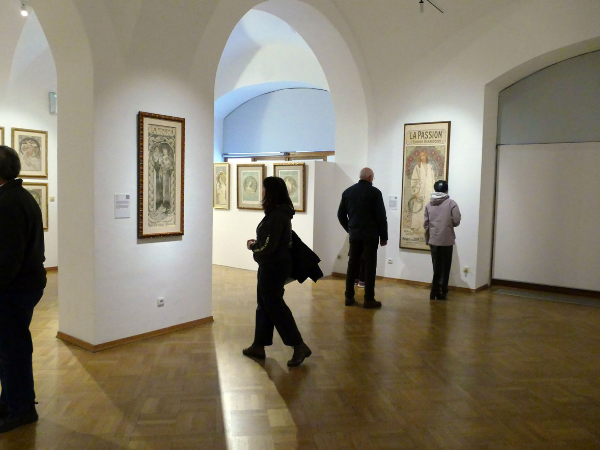
Impressionist art has captivated audiences for over a century, offering a fresh perspective on light, color, and everyday life. Europe is home to some of the most important collections of Impressionist paintings, housed in museums that preserve the legacy of artists like Monet, Renoir, Degas, and Van Gogh. Visiting these museums is not just about admiring beautiful works—it’s about experiencing the cultural revolution that Impressionism sparked in the late 19th century. This guide explores the best museums across Europe where you can immerse yourself in the brilliance of Impressionist art.
What Is Impressionist Art?
Impressionism emerged in France during the 1860s as a radical departure from traditional academic painting. Artists sought to capture fleeting moments, emphasizing light, atmosphere, and movement rather than rigid detail. The term “Impressionism” was coined after Claude Monet’s painting Impression, Sunrise was exhibited in 1874.
- Claude Monet – Known for his water lilies and landscapes.
- Pierre-Auguste Renoir – Famous for portraits and scenes of leisure.
- Edgar Degas – Celebrated for ballet dancers and urban life.
- Camille Pissarro – Master of rural and cityscapes.
- Édouard Manet – A pioneer bridging realism and Impressionism.
Impressionist art challenged conventions by painting outdoors (“en plein air”), using visible brushstrokes, and focusing on ordinary subjects. Today, it remains one of the most beloved movements in art history, inspiring countless exhibitions worldwide.
How We Chose the Best Museums for Impressionist Art
Selecting the top museums required balancing several factors. We considered the size and quality of collections, the presence of iconic masterpieces, accessibility for visitors, and the museum’s reputation for curating Impressionist exhibitions.
- Collection Depth – Museums with extensive holdings of Impressionist works.
- Iconic Masterpieces – Institutions showcasing world-famous paintings.
- Visitor Experience – Accessibility, guided tours, and educational programs.
- Cultural Significance – Museums that shaped the history of Impressionism.
- Geographic Diversity – Locations across France, the Netherlands, Germany, and beyond.
By combining these criteria, we identified museums that not only preserve Impressionist art but also provide enriching experiences for visitors. These institutions are cultural landmarks where history and creativity converge.
10 Best Museums for Impressionist Art in Europe
Europe boasts an extraordinary range of museums dedicated to Impressionist art. From Paris to Amsterdam, these institutions house masterpieces that define the movement.
- Musée d’Orsay – Paris, France
- Musée de l’Orangerie – Paris, France
- Musée Marmottan Monet – Paris, France
- Van Gogh Museum – Amsterdam, Netherlands
- Rijksmuseum – Amsterdam, Netherlands
- National Gallery – London, UK
- Neue Pinakothek – Munich, Germany
- Kunsthaus Zürich – Zurich, Switzerland
- Hermitage Museum – St. Petersburg, Russia
- Museu Nacional d’Art de Catalunya – Barcelona, Spain
Each museum offers a unique perspective on Impressionism, whether through Monet’s water lilies, Van Gogh’s vibrant brushwork, or Degas’ intimate portraits. Together, they form a network of cultural treasures across Europe.
Must-See Impressionist Paintings and Artists
Certain works stand out as essential viewing for anyone exploring Impressionist art. These paintings embody the spirit of the movement and remain timeless masterpieces.
- Monet’s Water Lilies – Musée de l’Orangerie, Paris
- Renoir’s Dance at Le Moulin de la Galette – Musée d’Orsay, Paris
- Degas’ Ballet Rehearsal – National Gallery, London
- Van Gogh’s Sunflowers – Van Gogh Museum, Amsterdam
- Manet’s Olympia – Musée d’Orsay, Paris
Seeing these works in person allows visitors to appreciate the texture, color, and emotion that define Impressionism. They are not just paintings—they are windows into a world of artistic innovation.
Famous Impressionist Museums in France, the Netherlands, and Beyond
Impressionism may have been born in France, but its influence quickly spread across Europe, leaving behind a legacy of museums that now safeguard the movement’s most iconic works. These institutions are not only repositories of art but also cultural landmarks that allow visitors to trace the evolution of Impressionism from its rebellious beginnings to its global acclaim.
- France – Musée d’Orsay, Musée de l’Orangerie, Marmottan Monet.
- Netherlands – Van Gogh Museum, Rijksmuseum.
- Germany – Neue Pinakothek.
- UK – National Gallery, London.
- Switzerland – Kunsthaus Zürich.
These museums collectively preserve the legacy of Impressionism, ensuring that future generations can continue to experience its beauty.
Tips for Planning an Impressionist Art Museum Tour
Planning a tour of Europe’s Impressionist museums can be one of the most rewarding cultural journeys, but it requires thoughtful preparation to make the most of your time. These institutions are often large, with extensive collections, so a clear plan ensures you won’t miss the highlights.
- Research Collections – Identify which museums house your favorite artists.
- Book in Advance – Many museums require timed entry tickets.
- Allow Time – Spend at least half a day in major institutions.
- Combine Destinations – Paris and Amsterdam can be visited in one trip.
- Use Guided Tours – Gain deeper insights into the artworks.
A well-planned itinerary ensures you maximize your experience and avoid missing key masterpieces.
Best Times to Visit Europe’s Impressionist Museums
Choosing the right season to explore Europe’s Impressionist museums can greatly enhance your experience. These institutions are popular year‑round, but crowd levels, ticket availability, and the atmosphere of the cities vary with the seasons.
- Spring (March–May) – Pleasant weather, fewer crowds.
- Summer (June–August) – Longer hours, but busier.
- Autumn (September–November) – Cultural festivals and exhibitions.
- Winter (December–February) – Quiet galleries, seasonal charm.
Choosing the right season enhances your visit, whether you prefer bustling atmospheres or tranquil exploration.
Museum Tickets, Guided Tours, and Visitor Tips
Visiting Europe’s Impressionist museums is a cultural highlight, but practical planning ensures the experience is smooth and enjoyable. Tickets, tours, and visitor services vary across institutions, so knowing what to expect helps you avoid long lines and maximize your time with the art.
- Tickets – Purchase online to avoid queues.
- Guided Tours – Available in multiple languages.
- Audio Guides – Enhance understanding of artworks.
- Memberships – Frequent visitors can save money.
- Accessibility – Most museums offer facilities for all visitors.
By preparing in advance, you can focus on enjoying the art rather than worrying about logistics.