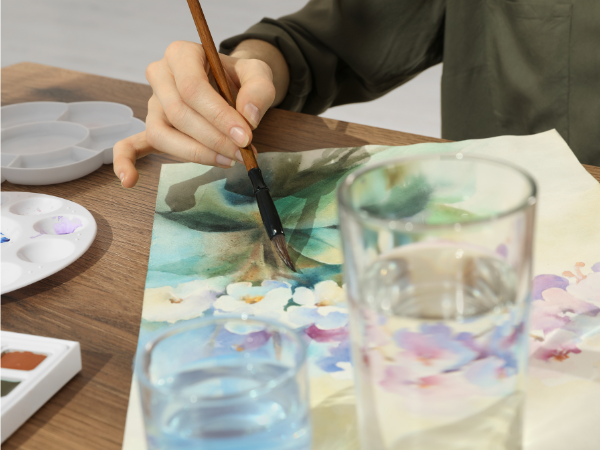
Choosing between watercolor and acrylic is one of the first big decisions for aspiring artists. Each medium offers unique qualities, challenges, and rewards that shape the way you learn and express creativity. Watercolor is known for its delicate transparency and fluid unpredictability, while acrylic provides bold coverage and forgiving flexibility.
Understanding Watercolor Basics
Watercolor is one of the oldest painting mediums, known for its luminous transparency and fluidity. Beginners often find it both enchanting and challenging because the pigment interacts directly with water, creating unpredictable blends and soft gradients. Unlike opaque paints, watercolor relies on the whiteness of the paper to provide highlights, which means planning ahead is crucial. Artists must learn to control water flow, pigment concentration, and layering techniques to achieve desired effects.
- Transparency – Watercolor allows light to pass through layers, creating glowing effects.
- Paper Dependence – The surface plays a major role in the final look.
- Layering – Requires patience and drying time between washes.
- Spontaneity – Mistakes are harder to correct, but happy accidents often add charm.
- Portability – Compact sets make watercolor ideal for travel sketching.
Mastering watercolor teaches discipline and foresight, as every brushstroke counts. It rewards patience and experimentation, offering a unique balance between control and freedom. For learners, it’s a medium that encourages observation and planning while still allowing creativity to flow naturally.
Exploring Acrylic Basics
Acrylic paint is a versatile medium that dries quickly and offers bold, opaque coverage. Unlike watercolor, acrylics can be applied thickly or thinned with water, giving artists flexibility in style. Beginners often appreciate acrylics because mistakes can be painted over, making the learning process less intimidating. The medium is also durable, resisting fading and cracking over time.
- Fast Drying – Ideal for layering and building textures quickly.
- Versatility – Can mimic watercolor washes or oil-like thickness.
- Durability – Resistant to moisture and sunlight damage.
- Accessibility – Widely available and affordable for beginners.
- Correctability – Mistakes can be covered with new layers.
Acrylics encourage experimentation, allowing learners to try different techniques without fear of ruining the work. Its adaptability makes it a favorite for mixed-media projects and modern art. For those who value flexibility and bold expression, acrylics provide a forgiving entry point into painting.
Comparing Learning Curves
When deciding which medium to learn first, the learning curve is a major factor. Watercolor demands precision and patience, while acrylics offer more room for error. Beginners often find acrylics easier to manage because they allow corrections, whereas watercolor requires careful planning.
- Watercolor Challenge – Mistakes are permanent and require creative adaptation.
- Acrylic Advantage – Layers can be repainted, reducing frustration.
- Skill Development – Watercolor builds discipline, acrylic builds confidence.
- Time Factor – Acrylic dries fast, watercolor requires waiting.
- Control vs Freedom – Watercolor emphasizes control, acrylic emphasizes freedom.
Choosing between the two depends on personality and goals. Those who enjoy structure may thrive with watercolor, while those who prefer experimentation may lean toward acrylic. Both mediums teach valuable skills, but the path to mastery differs significantly.
Cost and Accessibility
For beginners, cost and accessibility often influence the choice of medium. Watercolor sets are generally affordable, but high-quality paper is essential. Acrylic paints are widely available and can be used on multiple surfaces, making them versatile for different projects.
- Watercolor Supplies – Paints, brushes, and specialized paper.
- Acrylic Supplies – Paints, brushes, canvases, and mediums.
- Budget-Friendly Options – Student-grade sets are affordable for both.
- Surface Variety – Acrylic works on canvas, wood, paper, and more.
- Longevity – Acrylic paintings are more resistant to environmental damage.
While watercolor requires investment in quality paper, acrylic offers flexibility with cheaper surfaces. Beginners may find acrylic more accessible, but watercolor provides unique charm that justifies its specialized materials.
Creative Expression Differences
The artistic expression achieved with watercolor and acrylic differs greatly. Watercolor emphasizes softness, transparency, and subtlety, while acrylic thrives on boldness, texture, and vibrancy.
- Watercolor Style – Gentle washes, atmospheric effects, delicate details.
- Acrylic Style – Bold strokes, textured surfaces, vivid colors.
- Mood Creation – Watercolor conveys calmness, acrylic conveys energy.
- Technique Range – Acrylic adapts to mixed media, watercolor excels in layering.
- Artistic Identity – Each medium shapes the artist’s style differently.
Artists often choose based on the emotions they want to convey. Watercolor suits serene landscapes and delicate portraits, while acrylic is perfect for abstract, modern, or expressive works.
Practical Considerations
Beyond artistic qualities, practical factors matter when choosing a medium. Drying time, portability, and maintenance all play roles in the decision.
- Watercolor Portability – Compact sets are easy to carry.
- Acrylic Cleanup – Brushes must be cleaned quickly before paint hardens.
- Drying Speed – Acrylic dries fast, watercolor requires patience.
- Storage Needs – Acrylic paintings are durable, watercolor requires protection.
- Environmental Impact – Watercolor is less toxic, acrylic may involve chemicals.
Practicality often determines which medium fits a beginner’s lifestyle. Those who travel may prefer watercolor, while studio artists may enjoy acrylic’s durability and versatility.
Which Medium Builds Skills Faster?
Skill development varies depending on the medium. Watercolor builds patience and foresight, while acrylic builds confidence and adaptability.
- Watercolor Skills – Planning, layering, color blending.
- Acrylic Skills – Texture creation, layering, correction techniques.
- Discipline vs Experimentation – Watercolor teaches discipline, acrylic encourages play.
- Long-Term Benefits – Both mediums strengthen artistic foundations.
- Transferable Skills – Techniques learned in one medium often apply to others.
Beginners who want to strengthen technical discipline may benefit from watercolor first, while those seeking immediate creative freedom may prefer acrylic.
Common Beginner Mistakes
Every medium comes with pitfalls for beginners. Recognizing these mistakes helps learners progress faster.
- Watercolor Mistakes – Overworking areas, using too much water, poor paper choice.
- Acrylic Mistakes – Not cleaning brushes, applying paint too thickly, ignoring drying speed.
- Color Issues – Beginners often struggle with muddy colors in both mediums.
- Surface Problems – Using the wrong surface can ruin results.
- Technique Misuse – Lack of practice leads to frustration.
Avoiding these mistakes requires patience, practice, and willingness to learn. Beginners should embrace errors as part of the journey.
Final Thoughts: Choosing Your Path
Ultimately, the choice between watercolor and acrylic depends on personal preference, lifestyle, and artistic goals. Both mediums offer unique challenges and rewards.
- Watercolor Appeal – Ideal for those who value subtlety and planning.
- Acrylic Appeal – Perfect for bold, experimental artists.
- Learning Benefits – Each medium strengthens different artistic skills.
- Personal Fit – The best choice depends on personality and goals.
- Future Growth – Many artists eventually learn both to expand creativity.
Whether you start with watercolor or acrylic, the journey will shape your artistic identity. Beginners should choose the medium that excites them most, knowing that both paths lead to growth and discovery.