Self-portraits have always been more than simple likenesses; they are windows into the minds of artists, revealing their ambitions, insecurities, and identities. Across centuries, painters have turned the brush upon themselves to explore themes of mortality, fame, and self-expression. These works are not only technical achievements but also cultural landmarks that continue to fascinate audiences worldwide.
Rembrandt’s Introspective Self-Portraits
Rembrandt van Rijn created over 80 self-portraits, making him one of the most prolific artists in this genre. His works chart his life from youthful ambition to aged reflection, offering a deeply human narrative. Early pieces show confidence and experimentation, while later portraits reveal vulnerability and wisdom.
- Youthful Ambition – Early works highlight his mastery of light and shadow.
- Middle Years – Portraits depict financial struggles and resilience.
- Later Works – Aged, weary, yet profoundly dignified depictions.
- Psychological Depth – His gaze often confronts viewers with raw honesty.
- Legacy – These portraits remain essential studies in human emotion.
Rembrandt’s self-portraits are not vanity projects but profound explorations of identity. They remind us that art can be both personal diary and universal mirror, capturing the timeless struggle of human existence.
Vincent van Gogh’s Emotional Self-Portraits
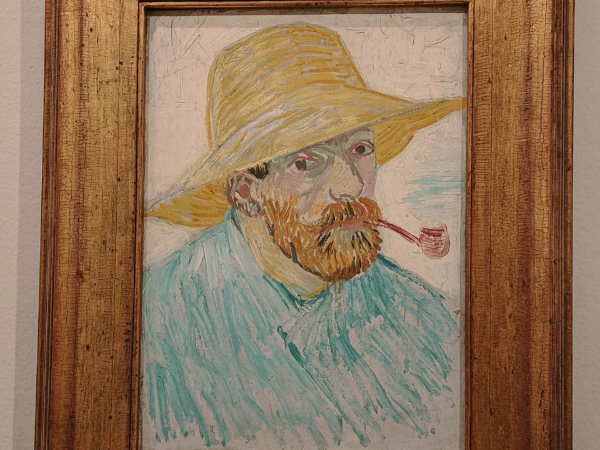
Vincent van Gogh’s self-portraits are among the most recognizable in art history. Painted during his turbulent life, they reflect his inner battles and relentless pursuit of artistic truth. His use of bold colors and expressive brushwork conveys emotion more than realism.
- Color Symbolism – Blues and greens often suggest melancholy.
- Brushwork – Energetic strokes mirror his psychological turmoil.
- Iconic Works – The bandaged ear portrait after his breakdown.
- Exploration of Identity – Each painting reveals shifting moods.
- Influence – Inspired generations of expressionist painters.
Van Gogh’s self-portraits are not mere likenesses but emotional landscapes. They stand as testaments to the power of art to externalize inner struggles, making his legacy both tragic and inspiring.
Frida Kahlo’s Symbolic Self-Portraits
Frida Kahlo transformed self-portraiture into a deeply symbolic art form. Her works often incorporate surreal elements, blending personal pain with cultural identity. Through vivid imagery, she expressed themes of suffering, resilience, and Mexican heritage.
- Physical Pain – Reflections of her lifelong medical struggles.
- Cultural Pride – Traditional Mexican dress and symbolism.
- Surreal Elements – Animals, plants, and dreamlike settings.
- Emotional Honesty – Raw depictions of heartbreak and strength.
- Feminist Icon – Her self-portraits challenged gender norms.
Kahlo’s art transcends autobiography, becoming universal symbols of endurance and identity. Her self-portraits remain powerful statements of individuality and cultural pride.
Albrecht Dürer’s Renaissance Self-Portraits
Albrecht Dürer was among the first artists to elevate self-portraiture to high art. His works reflect Renaissance ideals of humanism and individuality. Dürer portrayed himself with dignity, often adopting Christ-like imagery to emphasize the artist’s divine inspiration.
- Early Works – Youthful depictions showcasing technical skill.
- Christ-like Imagery – Suggesting spiritual authority of the artist.
- Fashion and Status – Elegant clothing reflects social ambition.
- Artistic Confidence – Bold compositions highlight his mastery.
- Legacy – Influenced generations of European artists.
Dürer’s self-portraits are milestones in art history, redefining the role of the artist from craftsman to intellectual and visionary.
Egon Schiele’s Raw Self-Portraits
Egon Schiele’s self-portraits are unsettling yet captivating. His distorted figures and intense expressions reflect themes of sexuality, mortality, and existential angst. Schiele’s work pushed boundaries, challenging traditional notions of beauty.
- Distorted Anatomy – Exaggerated forms convey psychological tension.
- Erotic Undertones – Bold explorations of sexuality.
- Expressionist Style – Harsh lines and stark colors.
- Themes of Death – Frequent references to mortality.
- Avant-Garde Influence – Inspired modernist movements.
Schiele’s self-portraits remain provocative, forcing viewers to confront uncomfortable truths about human vulnerability and desire.
Gustave Courbet’s Realist Self-Portraits
Gustave Courbet, leader of the Realist movement, used self-portraits to challenge artistic conventions. His works often depict himself in dramatic poses, emphasizing individuality and rebellion against academic traditions.
- Romantic Drama – Works like “The Desperate Man” show intensity.
- Realist Ideals – Honest depictions without idealization.
- Self-Promotion – Portraits used to craft his public persona.
- Artistic Rebellion – Defied traditional expectations of portraiture.
- Legacy – Paved the way for modern realism.
Courbet’s self-portraits are bold declarations of independence, embodying the spirit of artistic revolution.
Diego Rivera’s Self-Portraits
Though better known for his murals, Diego Rivera also created self-portraits that reflect his political and personal identity. His works often emphasize strength, masculinity, and ideological conviction.
- Political Themes – Marxist ideals woven into imagery.
- Personal Identity – Strong, confident depictions of himself.
- Connection to Kahlo – Portraits often intertwined with her symbolism.
- Cultural Pride – Mexican heritage celebrated in his art.
- Legacy – Reinforced his role as both artist and activist.
Rivera’s self-portraits are less frequent but remain significant, offering insight into the mind of a revolutionary artist.
Pablo Picasso’s Transformative Self-Portraits
Pablo Picasso’s self-portraits evolved dramatically across his career, reflecting his constant reinvention. From realistic early works to abstract cubist depictions, his portraits chart the evolution of modern art itself.
- Early Realism – Traditional depictions of youth.
- Blue Period – Somber, melancholic tones.
- Cubist Innovation – Fragmented, abstract forms.
- Later Works – Playful, experimental self-images.
- Artistic Evolution – His portraits mirror his stylistic journey.
Picasso’s self-portraits are not static but dynamic, embodying the restless creativity that defined his career.
Contemporary Self-Portraits in Photography
Modern artists and photographers continue the tradition of self-portraiture, using new media to explore identity. From Cindy Sherman’s staged personas to digital selfies, the genre remains vibrant and evolving.
- Cindy Sherman – Iconic staged self-images exploring identity.
- Digital Age – Selfies redefine accessibility of self-portraiture.
- Conceptual Art – Artists use photography to challenge perception.
- Social Media Influence – Platforms amplify self-representation.
- Continuing Legacy – Self-portraiture remains central to art.
Contemporary self-portraits prove that the genre is far from obsolete. Instead, it adapts to new technologies, continuing to question and redefine identity in the modern world.