Art supplies are the backbone of creativity, and keeping them clean and well-maintained ensures they last longer and perform at their best. Whether you’re a painter, illustrator, or mixed-media artist, proper care of brushes, paints, palettes, and tools not only saves money but also enhances the quality of your work.
Why Proper Art Supply Care Matters
Taking care of art supplies is more than just a routine—it’s an investment in your craft. Clean, well-maintained tools allow for smoother application, consistent results, and fewer interruptions while working. Artists often overlook the importance of maintenance, but neglect can shorten the lifespan of brushes, paints, and other materials.
Key reasons proper care matters:
- Extends the lifespan of expensive tools
- Prevents contamination between colors and mediums
- Improves the quality of finished artwork
- Reduces unnecessary spending on replacements
- Creates a healthier, more organized workspace
By treating your supplies with care, you ensure that every creative session is efficient and enjoyable. A well-maintained studio reflects professionalism and respect for your craft, helping you focus on creativity instead of struggling with damaged or dirty tools.
Essential Cleaning Tools for Artists
Every artist should have a dedicated set of cleaning tools to keep supplies in top condition. These items don’t need to be expensive, but they should be reliable and suited to your medium.
Recommended cleaning tools include:
- Soft microfiber cloths for wiping surfaces
- Mild soap or specialized brush cleaner
- Palette knives for scraping dried paint
- Jars or containers for rinsing brushes
- Toothbrushes or small scrubbers for fine details
- Airtight storage boxes for dust protection
Having these essentials on hand makes cleaning quick and easy, preventing buildup that can ruin supplies. Investing in proper cleaning tools is just as important as buying quality art materials. With the right equipment, you’ll spend less time fixing problems and more time creating.
How to Clean Paintbrushes Without Damage
Paintbrushes are among the most delicate and essential tools in an artist’s kit. Improper cleaning can cause bristles to fray, lose shape, or harden with paint residue.
Steps for safe brush cleaning:
- Rinse brushes immediately after use in lukewarm water
- Use mild soap or brush cleaner to remove pigment
- Gently massage bristles without pulling or twisting
- Reshape bristles before drying
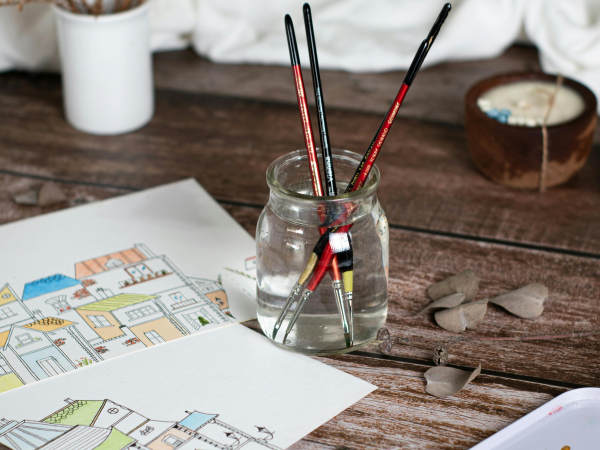
- Store brushes upright or flat to prevent bending
Avoid harsh chemicals or hot water, as they can weaken glue holding the bristles. With consistent care, brushes can last for years, maintaining their precision and softness. Proper cleaning ensures smooth strokes and prevents contamination between colors.
Best Practices for Maintaining Drawing Pencils and Charcoal
Dry media like pencils and charcoal require different care compared to wet supplies. They are prone to breaking, smudging, and dust accumulation.
Tips for maintaining pencils and charcoal:
- Store in protective cases or tins
- Use sandpaper blocks for sharpening charcoal
- Avoid dropping pencils to prevent lead breakage
- Keep erasers clean by trimming worn edges
- Wipe drawing boards regularly to reduce dust
By protecting these tools, you ensure consistent line quality and reduce waste. Proper storage also prevents accidental smudging, keeping your sketches clean and professional.
Keeping Your Paints Fresh and Long-Lasting
Paints, whether acrylic, oil, or watercolor, can dry out or spoil if not stored correctly. Preserving them ensures vibrant colors and smooth application.
Ways to keep paints fresh:
- Seal containers tightly after use
- Store in cool, dry places away from sunlight
- Use palette covers to prevent drying during sessions
- Add a few drops of water or medium to revive acrylics
- Label tubes and jars with purchase dates
Maintaining paints properly saves money and ensures consistent results. Fresh paints allow for better blending, richer tones, and smoother coverage, making every project more enjoyable.
Tips for Cleaning Palettes and Mixing Surfaces
Palettes are often neglected, but dried paint buildup can interfere with mixing colors. Regular cleaning keeps surfaces smooth and ready for use.
Effective palette cleaning methods:
- Scrape dried paint with a palette knife
- Use mild soap and warm water for acrylics
- Apply solvent for oil paint residues
- Wipe glass or ceramic palettes with microfiber cloths
- Cover palettes with plastic wrap during breaks
A clean palette ensures accurate color mixing and prevents contamination. It also extends the life of reusable surfaces, saving you from constant replacements.
Safe Storage Solutions for Art Supplies
Storage plays a crucial role in maintaining supplies. Proper organization prevents damage and makes tools easier to access.
Smart storage solutions include:
- Airtight containers for paints and mediums
- Brush holders or racks to protect bristles
- Drawer organizers for pencils and erasers
- Shelving units for larger items
- Portable cases for traveling artists
Organized storage reduces clutter and protects supplies from dust, moisture, and accidental damage. A tidy studio fosters creativity and efficiency, allowing you to focus on your art.
Preventing Mold and Dust in Your Studio
A clean studio environment is essential for preserving supplies and maintaining health. Mold and dust can damage materials and affect air quality.
Preventive measures:
- Use dehumidifiers in damp areas
- Store supplies in sealed containers
- Clean surfaces weekly with microfiber cloths
- Vacuum floors to reduce dust buildup
- Avoid leaving wet brushes or rags unattended
By keeping your studio clean, you protect both your supplies and your health. A fresh environment encourages creativity and prevents costly damage to materials.
Eco-Friendly Ways to Dispose of Old Materials
Artists often generate waste, but eco-friendly disposal helps reduce environmental impact. Responsible practices ensure sustainability in your creative process.
Eco-friendly disposal methods:
- Recycle paper, cardboard, and packaging
- Donate unused supplies to schools or community centers
- Use designated hazardous waste facilities for solvents
- Repurpose old jars and containers for storage
- Compost natural materials like wood shavings
Sustainable disposal not only benefits the environment but also reflects a mindful approach to art. By adopting eco-friendly habits, you contribute to a cleaner planet while maintaining your creative practice responsibly.