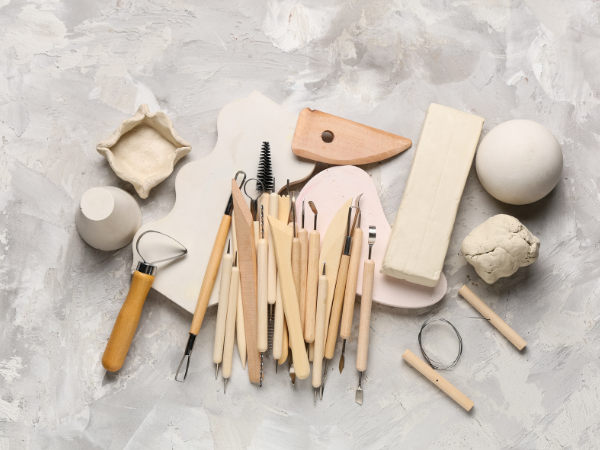
Sculpting is more than shaping stone or clay—it’s about creating an atmosphere where creativity thrives. The right tools, lighting, and guidance can transform a beginner’s workspace into a professional studio. This article explores essential elements every sculptor should know, from chisels and carving knives to studio lighting setups and modern tutorials. Each section blends practical advice with curated lists to help you build a sculpting environment that supports both precision and inspiration.
Essential Hand Tools for Sculptors
Every sculptor begins with a set of hand tools that define their craft. These tools are not just instruments; they are extensions of the artist’s vision. Choosing the right ones ensures accuracy, comfort, and durability.
- Chisels – Flat, pointed, and toothed chisels for different textures.
- Mallets – Wooden or rubber mallets to control force.
- Rasps – For smoothing and refining surfaces.
- Carving Knives – Precision blades for detail work.
- Gouges – Curved blades for shaping concave forms.
A sculptor’s toolkit should balance versatility with specialization. Beginners often start with a basic set, while professionals invest in high-quality steel tools that last decades. Proper maintenance—like sharpening and cleaning—extends their lifespan and keeps the creative process fluid. Ultimately, the right hand tools empower sculptors to move seamlessly from rough shaping to fine detailing, ensuring every piece reflects their artistic intent.
Power Tools and Modern Equipment
While traditional tools remain vital, modern sculptors often rely on power tools to save time and achieve precision. These machines enhance efficiency without replacing craftsmanship.
- Rotary Tools – For fine carving and polishing.
- Angle Grinders – Effective for shaping stone and metal.
- Electric Sanders – Smooth large surfaces quickly.
- Pneumatic Hammers – Deliver consistent force for heavy-duty carving.
- Dust Extractors – Maintain a clean and safe workspace.
Power tools allow sculptors to tackle larger projects and harder materials with confidence. They reduce physical strain and open creative possibilities that hand tools alone cannot achieve. However, they require careful handling and safety precautions. Combining traditional techniques with modern equipment creates a balanced workflow, where artistry meets innovation. Sculptors who embrace both worlds often find themselves producing more ambitious and refined works.
Lighting the Studio: Why It Matters
Lighting is often overlooked, yet it profoundly affects how sculptors perceive form and texture. Proper illumination reveals details and prevents mistakes.
- Natural Light – Best for true color perception.
- LED Spotlights – Adjustable intensity for precision.
- Diffused Lamps – Reduce harsh shadows.
- Task Lighting – Focused beams for detail work.
- Ambient Lighting – Creates a comfortable atmosphere.
A well-lit studio helps sculptors evaluate depth, contours, and surface finishes. Shadows can either enhance or distort perception, so balancing direct and diffused light is crucial. Natural daylight is ideal, but artificial lighting ensures consistency during long sessions. Investing in adjustable fixtures allows sculptors to adapt lighting to different stages of work. Ultimately, good lighting is not just practical—it’s part of the creative process, shaping how the artist interacts with their medium.
Safety Gear and Studio Essentials
Sculpting involves sharp tools, heavy materials, and dust. Safety gear protects the artist while ensuring long-term health.
- Safety Glasses – Shield eyes from debris.
- Dust Masks – Prevent inhalation of fine particles.
- Gloves – Protect hands from cuts and abrasions.
- Ear Protection – Reduce noise from power tools.
- Aprons – Keep clothing safe from dust and stains.
A safe studio fosters confidence and focus. Sculptors who prioritize safety can work longer and more effectively. Beyond personal gear, essentials like sturdy workbenches, proper ventilation, and organized storage contribute to a productive environment. Safety is not a limitation—it’s a foundation that allows creativity to flourish without risk. Every sculptor should view protective equipment as integral to their craft, just like chisels or lights.
Tutorials for Beginners
Learning sculpting requires guidance, and tutorials provide structured pathways for growth. Beginners benefit from step-by-step lessons that build confidence.
- Online Video Courses – Accessible demonstrations from professionals.
- Books – Detailed explanations with illustrations.
- Workshops – Hands-on learning with mentors.
- Community Classes – Affordable and collaborative environments.
- Digital Platforms – Interactive tutorials with feedback.
Tutorials bridge the gap between curiosity and mastery. They introduce techniques, materials, and safety practices while encouraging experimentation. Beginners often start with clay or soapstone before advancing to marble or wood. Structured learning ensures mistakes become lessons rather than setbacks. With consistent practice, tutorials evolve from basic exercises into advanced projects, guiding sculptors toward independence and creativity.
Advanced Tutorials and Masterclasses
For experienced sculptors, advanced tutorials refine skills and introduce new techniques. Masterclasses often focus on specialized materials or styles.
- Stone Carving – Techniques for marble and granite.
- Bronze Casting – Complex processes for metal sculpture.
- Abstract Forms – Exploring modern artistic approaches.
- Restoration – Skills for repairing damaged works.
- Digital Sculpting – Using software for 3D modeling.
Advanced tutorials push sculptors beyond comfort zones. They emphasize precision, innovation, and artistic identity. Masterclasses often include critiques, helping artists refine their vision. By engaging with advanced learning, sculptors expand their repertoire and gain exposure to global trends. These experiences not only improve technical skills but also inspire new creative directions, ensuring continuous growth in the craft.
Choosing the Right Materials
Materials define the character of a sculpture. Each medium offers unique challenges and rewards.
- Clay – Flexible and beginner-friendly.
- Wood – Warm textures with natural grain.
- Stone – Durable and timeless.
- Metal – Strong and versatile for casting.
- Mixed Media – Combines elements for innovation.
Selecting materials depends on artistic goals and practical considerations. Clay allows experimentation, while stone demands patience and strength. Wood offers organic beauty, and metal provides durability. Mixed media encourages creativity by blending textures and colors. Understanding material properties helps sculptors plan projects effectively. The right choice ensures harmony between vision and execution, making the final piece both expressive and enduring.
Organizing Your Workspace
A cluttered studio hinders creativity, while an organized space enhances productivity. Sculptors benefit from structured environments where tools and materials are easily accessible.
- Tool Racks – Keep chisels and knives sorted.
- Shelving Units – Store materials safely.
- Workbenches – Provide stable surfaces.
- Lighting Fixtures – Positioned for optimal use.
- Storage Boxes – Protect smaller items.
Organization reduces stress and saves time. Sculptors can focus on artistry rather than searching for misplaced tools. A clean workspace also improves safety, minimizing accidents. By designing a studio layout that supports workflow, artists create an environment where inspiration flows naturally. Organization is not just practical—it’s part of the sculptor’s discipline, reflecting respect for both craft and creativity.
Inspiring Sculptor Communities
No sculptor works in isolation. Communities provide support, feedback, and collaboration opportunities.
- Local Art Groups – Connect with nearby sculptors.
- Online Forums – Share techniques and experiences.
- Exhibitions – Showcase work and gain recognition.
- Mentorship Programs – Learn from established artists.
- Social Media – Build networks and inspire others.
Communities nurture growth by offering encouragement and constructive criticism. They expose sculptors to diverse perspectives and techniques. Exhibitions and online platforms allow artists to share their work with wider audiences, fostering confidence and visibility. Collaboration often sparks innovation, as sculptors exchange ideas and experiment together. Ultimately, communities remind artists that sculpting is not just a solitary pursuit—it’s part of a larger creative dialogue.