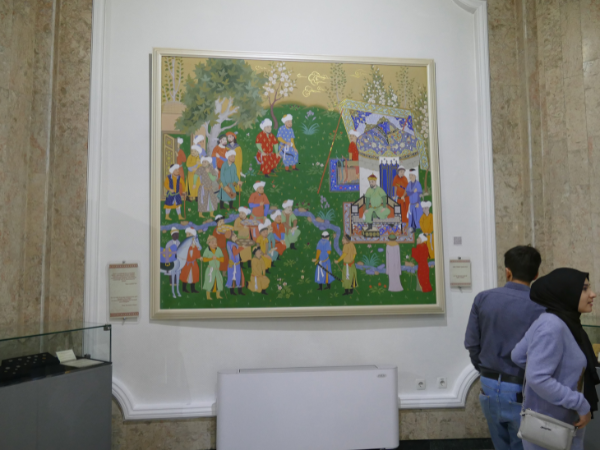
Small museums may not have the global fame of major institutions, but their impact on communities is profound. They preserve local history, celebrate cultural identity, and provide accessible education. These institutions often operate with limited resources yet deliver experiences that resonate deeply with visitors. Below are nine key aspects of why small museums matter, each explored in detail.
Preserving Local History and Heritage
Small museums play a vital role in safeguarding local stories that might otherwise be forgotten. They collect artifacts, documents, and oral histories that reflect the unique identity of a region.
Key contributions include:
- Collecting artifacts tied to local traditions and industries.
- Preserving oral histories from community elders.
- Maintaining archives of photographs and documents.
- Showcasing regional art and craftsmanship.
- Highlighting historical events specific to the area.
By preserving heritage, small museums ensure that future generations can connect with their roots. They act as guardians of memory, keeping local culture alive in ways that large institutions often overlook.
Educational Opportunities for All Ages
Education is central to the mission of small museums. They provide interactive learning experiences that engage children, students, and adults alike.
Educational benefits include:
- School programs tailored to local curricula.
- Hands‑on workshops for children and families.
- Guided tours that encourage critical thinking.
- Exhibits designed to explain complex topics simply.
- Collaborations with teachers and universities.
These opportunities make learning accessible and enjoyable. Small museums transform history and culture into living lessons, inspiring curiosity and lifelong learning in their communities.
Supporting Local Artists and Creators
Small museums often serve as platforms for local artists, giving them visibility and recognition. Exhibiting regional talent strengthens cultural identity and fosters creativity.
Ways they support artists include:
- Hosting exhibitions of local painters, sculptors, and photographers.
- Providing space for emerging artists to showcase work.
- Organizing community art fairs and festivals.
- Offering residencies and workshops.
- Promoting local crafts and handmade goods.
By supporting artists, small museums nurture creativity and strengthen the cultural fabric of their communities. They become incubators of talent, ensuring local voices are heard.
Building Community Connections
Small museums are more than exhibition spaces—they are community hubs. They bring people together through shared experiences and events.
Community roles include:
- Hosting cultural festivals and celebrations.
- Providing meeting spaces for local groups.
- Organizing lectures and panel discussions.
- Offering volunteer opportunities.
- Creating programs for diverse audiences.
These connections foster a sense of belonging. Small museums strengthen community bonds, making culture accessible and inclusive for everyone.
Encouraging Tourism and Local Economy
Small museums contribute to local economies by attracting visitors and supporting nearby businesses. They often become key stops in regional tourism.
Economic impacts include:
- Drawing tourists interested in unique local stories.
- Partnering with restaurants and shops.
- Selling locally made souvenirs.
- Creating jobs for staff and guides.
- Promoting regional attractions alongside exhibits.
By encouraging tourism, small museums generate revenue and highlight the value of local culture. They prove that heritage can be both meaningful and economically beneficial.
Innovation Through Limited Resources
Operating with limited budgets, small museums often innovate to maximize impact. Their creativity in resource management sets them apart.
Innovative practices include:
- Using digital tools for virtual exhibits.
- Partnering with schools and libraries.
- Crowdsourcing artifacts and stories from residents.
- Creating traveling exhibits for outreach.
- Leveraging volunteers for programming.
Innovation ensures small museums remain relevant and impactful. Their resourcefulness demonstrates that meaningful cultural work can thrive even without vast funding.
Promoting Inclusivity and Representation
Small museums often highlight stories of marginalized groups, ensuring diverse voices are represented. Inclusivity is central to their mission.
Inclusive practices include:
- Exhibiting histories of underrepresented communities.
- Hosting events celebrating cultural diversity.
- Providing multilingual materials.
- Ensuring accessibility for visitors with disabilities.
- Collaborating with minority organizations.
By promoting inclusivity, small museums create spaces where everyone feels seen and valued. They broaden cultural narratives beyond mainstream perspectives.
Inspiring Future Generations
Small museums inspire young people to appreciate culture and history. They spark curiosity and encourage future careers in the arts and sciences.
Inspirational efforts include:
- Youth volunteer programs.
- Internships for students.
- Interactive exhibits designed for children.
- Storytelling sessions with community elders.
- Career talks from museum professionals.
These initiatives ensure that future generations remain connected to heritage. Small museums plant seeds of inspiration that grow into lifelong passions.
The Lasting Impact of Local Institutions
The influence of small museums extends far beyond their walls. They shape identity, strengthen communities, and preserve culture for the future.
Enduring impacts include:
- Sustaining cultural pride.
- Educating across generations.
- Supporting local economies.
- Encouraging creativity and innovation.
- Building inclusive cultural narratives.
Small museums prove that size does not determine significance. Their lasting impact demonstrates why local institutions matter, ensuring culture thrives at every level of society.