The Renaissance was a golden age of creativity, and at its heart stood two giants: Leonardo da Vinci and Michelangelo Buonarroti. Their names have become synonymous with genius, innovation, and artistic mastery. While both men lived in the same era and often worked in the same cities, their approaches to art, philosophy, and life were strikingly different.
The Renaissance Context
The Italian Renaissance was a cultural explosion that reshaped art, science, and philosophy. Within this vibrant period, two towering figures emerged: Leonardo da Vinci and Michelangelo Buonarroti. Both artists were not only painters but also sculptors, architects, and thinkers who defined the era’s ideals of humanism and creativity. Their rivalry was fueled by patronage from powerful families and the Church, which demanded masterpieces that would symbolize wealth, devotion, and prestige.
- Florence – The birthplace of both artists and the hub of Renaissance innovation.
- Humanism – A philosophy emphasizing human potential and achievements.
- Patronage – Wealthy families like the Medici funded grand projects.
- Church influence – Religious institutions commissioned monumental works.
- Artistic rivalry – Competition pushed both men to greater heights.
This context set the stage for their legendary careers, where innovation and rivalry intertwined. Their works were not isolated achievements but responses to the demands of a society hungry for beauty, knowledge, and power. Ultimately, the Renaissance provided the fertile ground that allowed both Leonardo and Michelangelo to flourish as geniuses whose legacies endure centuries later.
Leonardo da Vinci: The Polymath
Leonardo da Vinci embodied the Renaissance ideal of the “universal man.” His genius extended beyond painting into anatomy, engineering, and scientific inquiry. He approached art with a scientific lens, dissecting human bodies to understand musculature and movement, which gave his paintings unmatched realism. His notebooks reveal sketches of flying machines, hydraulic systems, and war devices, showcasing his insatiable curiosity.
- Mona Lisa – Famous for its enigmatic smile and mastery of sfumato.
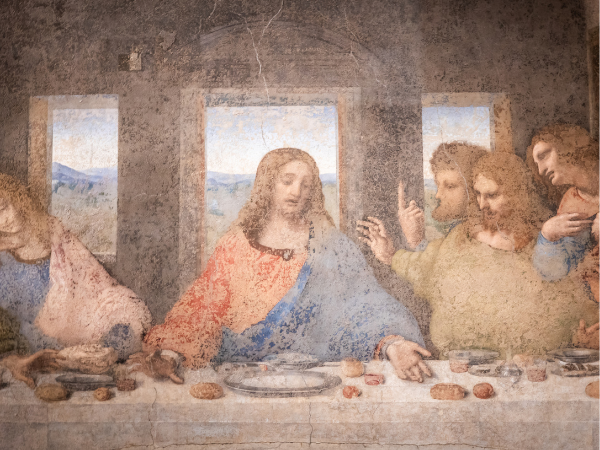
- The Last Supper – A groundbreaking fresco capturing psychological drama.
- Anatomical studies – Detailed dissections that advanced medical knowledge.
- Engineering designs – Concepts for helicopters, tanks, and bridges.
- Scientific notebooks – Collections of sketches blending art and science.
Leonardo’s versatility made him unique. He was not just an artist but a visionary thinker who blurred the boundaries between disciplines. His ability to merge observation with imagination allowed him to create works that were both scientifically precise and emotionally profound. His polymathic nature remains a symbol of boundless human potential.
Michelangelo: The Sculptor of Power
Michelangelo Buonarroti was renowned for his ability to infuse raw emotion and physical strength into marble and paint. Unlike Leonardo’s scientific approach, Michelangelo emphasized divine inspiration and the heroic human form. His sculptures radiate tension and vitality, while his paintings convey spiritual grandeur. He believed art was a divine calling, and his works often reflected religious devotion and human struggle.
- David – A colossal statue symbolizing Florence’s civic pride.
- Pietà – A tender depiction of Mary cradling Christ.
- Sistine Chapel ceiling – A monumental fresco of biblical scenes.
- The Last Judgment – A dramatic portrayal of salvation and damnation.
- Architectural works – Contributions to St. Peter’s Basilica in Rome.
Michelangelo’s art was a celebration of human strength and divine purpose. His mastery of anatomy and his ability to carve life from stone made him a legend. His works remain awe-inspiring, embodying the Renaissance spirit of elevating humanity through artistic expression.
Artistic Techniques Compared
Leonardo and Michelangelo differed greatly in their artistic methods. Leonardo’s technique was rooted in observation and subtlety, while Michelangelo’s was defined by boldness and grandeur. Leonardo pioneered sfumato, blending colors and tones to create lifelike transitions. Michelangelo, on the other hand, emphasized chiaroscuro and muscular forms, giving his figures monumental presence.
- Sfumato – Soft blending of edges for realism.
- Chiaroscuro – Strong contrasts of light and shadow.
- Anatomical precision – Both studied human bodies extensively.
- Dynamic composition – Michelangelo’s figures often appear in motion.
- Psychological depth – Leonardo captured subtle emotions.
These techniques highlight their contrasting philosophies. Leonardo sought harmony and naturalism, while Michelangelo pursued drama and intensity. Together, they expanded the possibilities of Renaissance art, influencing generations of artists who followed.
Rivalry and Competition
The rivalry between Leonardo and Michelangelo was legendary. Both were commissioned to paint opposing frescoes in Florence’s Palazzo Vecchio, though neither project was completed. Their competition was fueled by contrasting personalities: Leonardo was charming and experimental, while Michelangelo was intense and solitary. Patrons often played them against each other, knowing that rivalry produced extraordinary art.
- Palazzo Vecchio commission – A direct competition between the two.
- Contrasting personalities – Leonardo sociable, Michelangelo brooding.
- Patron manipulation – Wealthy families encouraged rivalry.
- Artistic debates – Disputes over technique and philosophy.
- Legacy of rivalry – Competition elevated their achievements.
Their rivalry was not destructive but catalytic. It pushed both men to innovate and refine their craft. The tension between them symbolized the Renaissance spirit of striving for excellence through competition.
Influence on Future Generations
Leonardo and Michelangelo’s influence extended far beyond their lifetimes. Their works became benchmarks for artistic excellence, inspiring countless painters, sculptors, and architects. Leonardo’s scientific approach influenced later thinkers, while Michelangelo’s monumental style shaped Baroque art. Their legacies remain embedded in Western culture, studied and admired across centuries.
- Raphael – Influenced by both masters in his balanced style.
- Baroque art – Michelangelo’s grandeur paved the way.
- Scientific revolution – Leonardo’s notebooks anticipated modern science.
- Neoclassicism – Michelangelo’s heroic forms inspired later movements.
- Global admiration – Their works remain cultural icons worldwide.
Future generations saw them not just as artists but as models of genius. Their contributions shaped the trajectory of art and thought, ensuring their relevance in every era that followed.
Philosophical Differences
Leonardo and Michelangelo held distinct philosophies about art and life. Leonardo believed art was a science, a means to understand nature and human psychology. Michelangelo saw art as divine inspiration, a way to glorify God and express spiritual truths. These differences shaped their works and their approaches to creativity.
- Leonardo’s scientific vision – Art as a tool for discovery.
- Michelangelo’s divine mission – Art as a spiritual calling.
- Humanism – Both embraced human potential differently.
- Nature vs divinity – Leonardo studied nature, Michelangelo exalted God.
- Creative legacy – Their philosophies shaped Renaissance ideals.
These philosophical differences highlight why their art feels so distinct. Leonardo’s works invite contemplation of nature’s mysteries, while Michelangelo’s inspire awe at divine power. Together, they represent two sides of Renaissance thought.