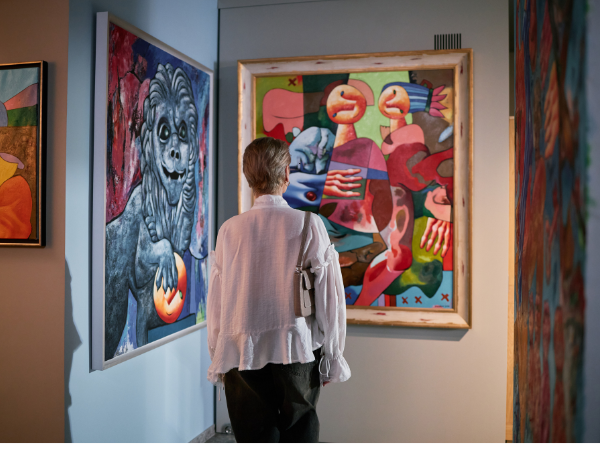
Organizing an art exhibition is often romanticized as a glamorous endeavor filled with creativity, culture, and prestige. Yet beneath the surface lies a complex web of hidden costs that can surprise even seasoned curators. From venue rentals to insurance, marketing, and logistics, each element carries financial weight that can make or break the success of the event. Understanding these costs is essential not only for budgeting but also for appreciating the true scale of effort behind every exhibition. This article explores nine critical areas where expenses accumulate, offering insights into the unseen challenges of bringing art to the public.
Venue Rental and Preparation
Securing a venue is the first major hurdle in organizing an exhibition. While galleries and museums provide prestige, their rental fees can be steep, especially in cultural hubs. Beyond rent, preparation costs include lighting adjustments, wall painting, and structural modifications to accommodate artworks. These expenses often exceed initial estimates, making venue selection a delicate balance between prestige and affordability.
- Rental Fees – Prime locations demand premium prices.
- Lighting Systems – Specialized lighting enhances artwork but requires investment.
- Wall Treatments – Fresh paint, partitions, or protective coverings add costs.
- Accessibility Upgrades – Ramps, signage, and safety compliance are mandatory.
- Cleaning Services – Professional cleaning before and after the event is essential.
Ultimately, the venue sets the tone for the exhibition, but it also consumes a significant portion of the budget. Organizers must weigh the prestige of a location against the practicality of expenses, ensuring that the space enhances the art without draining resources.
Transportation and Logistics
Moving artworks safely is a logistical challenge that demands precision and care. Transportation costs vary depending on the size, fragility, and value of the pieces. Specialized art movers, climate-controlled vehicles, and secure packaging are often required to prevent damage.
- Professional Movers – Trained handlers ensure safe transport.
- Climate Control – Vehicles with temperature regulation protect delicate works.
- Custom Packaging – Crates and protective materials add expense.
- Insurance During Transit – Coverage for accidents or theft is essential.
- Storage Facilities – Temporary storage before installation incurs fees.
These logistical expenses are unavoidable, as improper handling can lead to irreparable damage. The hidden costs of transportation highlight the importance of meticulous planning and professional expertise in safeguarding valuable collections.
Insurance and Security
Art exhibitions carry inherent risks, from theft to accidental damage. Insurance and security measures are non-negotiable, yet they represent a substantial financial burden. Premiums rise with the value of the artworks, and security staffing adds recurring costs throughout the exhibition.
- Artwork Insurance – Coverage against theft, fire, or damage.
- Liability Insurance – Protects organizers from legal claims.
- Security Personnel – Guards ensure safety during public hours.
- Surveillance Systems – Cameras and alarms deter potential threats.
- Emergency Protocols – Training staff for crisis response adds expense.
While these measures may seem excessive, they are vital for protecting both the art and the reputation of the organizers. The hidden cost of peace of mind is often underestimated until an incident occurs.
Marketing and Promotion
An exhibition without an audience fails its purpose. Marketing ensures visibility but requires significant investment in both digital and traditional channels. From social media campaigns to printed catalogs, promotion costs quickly accumulate.
- Digital Advertising – Social media and online campaigns.
- Printed Materials – Posters, flyers, and exhibition catalogs.
- Public Relations – Hiring agencies to secure press coverage.
- Influencer Collaborations – Partnering with cultural figures for reach.
- Event Launches – Opening receptions and press previews.
Effective marketing transforms an exhibition into a cultural event, but it demands creativity and financial commitment. The hidden cost lies in sustaining visibility beyond the opening night, ensuring consistent audience engagement.
Staffing and Expertise
Behind every exhibition is a team of professionals whose expertise ensures smooth execution. From curators to technicians, staffing costs are often underestimated. Each role contributes to the overall success but requires fair compensation.
- Curators – Conceptualize and organize the exhibition.
- Technicians – Handle installation and technical adjustments.
- Docents – Guide visitors and provide educational context.
- Administrative Staff – Manage logistics and communications.
- Volunteers – While unpaid, they require training and coordination.
Staffing expenses reflect the human effort behind the art. Without skilled professionals, even the most ambitious exhibition risks failure. The hidden cost here is the value of expertise, often overlooked in budget planning.
Legal and Administrative Fees
Exhibitions involve contracts, permits, and compliance with local regulations. Legal and administrative fees ensure that the event operates within the law, but they add layers of expense that many organizers overlook.
- Contract Drafting – Agreements with artists and vendors.
- Permit Applications – Required for public events and installations.
- Copyright Licensing – Ensuring proper use of images and materials.
- Tax Compliance – Managing financial obligations.
- Consultation Fees – Hiring legal advisors for complex issues.
These costs may not be visible to the public, but they are critical for avoiding disputes and penalties. The hidden burden of bureaucracy underscores the importance of legal foresight in exhibition planning.
Technology and Equipment
Modern exhibitions often incorporate multimedia elements, requiring investment in technology and equipment. From projectors to interactive displays, these tools enhance visitor experience but add significant costs.
- Audio-Visual Equipment – Projectors, speakers, and screens.
- Interactive Displays – Touchscreens and digital installations.
- Software Licenses – Programs for managing exhibits.
- Wi-Fi Infrastructure – Ensuring connectivity for visitors.
- Maintenance Costs – Technical support throughout the event.
Technology enriches exhibitions but introduces hidden costs in setup and maintenance. Organizers must balance innovation with practicality, ensuring that tech enhances rather than overshadows the art.
Hospitality and Guest Services
Exhibitions often include receptions, guided tours, and VIP experiences. Hospitality costs ensure that guests feel welcomed, but they can quickly escalate depending on the scale of the event.
- Catering Services – Food and beverages for receptions.
- Guest Amenities – Cloakrooms, seating, and accessibility features.
- VIP Packages – Exclusive tours or private viewings.
- Event Staff – Hosts and coordinators for guest management.
- Souvenirs and Merchandise – Branded items for visitors.
Hospitality adds a layer of sophistication to exhibitions, but it requires careful budgeting. The hidden cost lies in balancing guest satisfaction with financial sustainability.
Post-Exhibition Costs
The end of an exhibition does not mark the end of expenses. Post-event costs include dismantling, returning artworks, and evaluating outcomes. These tasks are essential but often overlooked in initial planning.
- Deinstallation Services – Safely removing artworks.
- Return Logistics – Transporting pieces back to owners.
- Venue Restoration – Returning the space to its original state.
- Final Reports – Documenting attendance and financial outcomes.
- Archival Work – Preserving records for future reference.
Post-exhibition costs ensure closure and accountability. The hidden burden here is the effort required to wrap up an event professionally, leaving a lasting impression on artists and audiences alike.
Conclusion
Organizing an art exhibition is far more than a creative endeavor—it is a financial and logistical marathon. Each stage, from venue rental to post-event wrap-up, carries hidden costs that demand foresight and meticulous planning. By acknowledging these expenses, organizers can better prepare for the realities of exhibition management, ensuring that the art remains the centerpiece while the behind-the-scenes machinery runs smoothly.