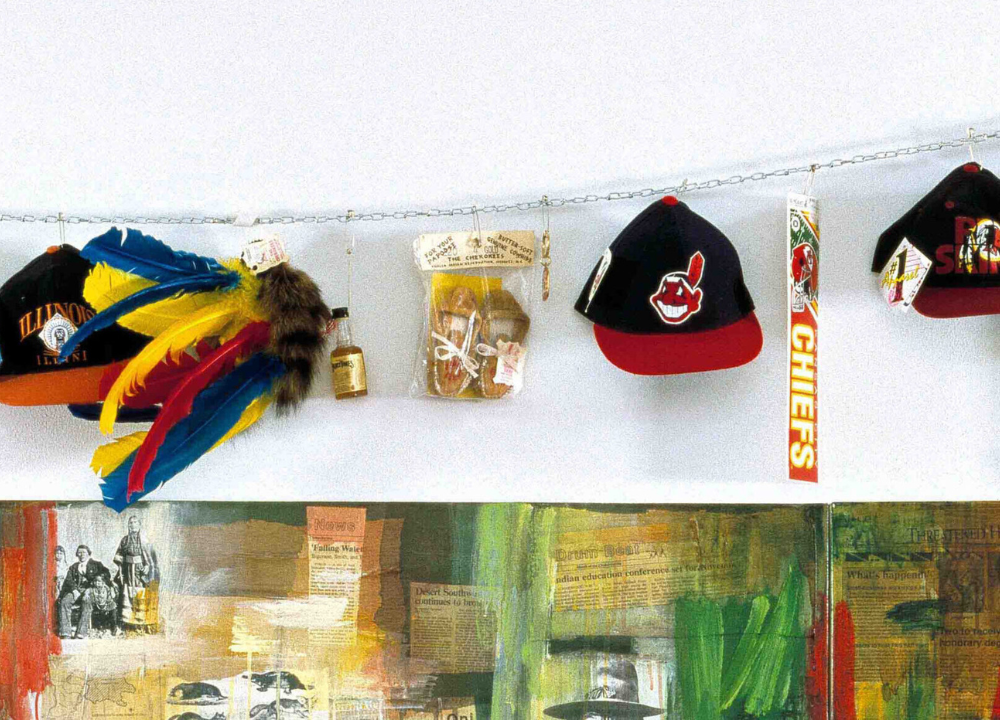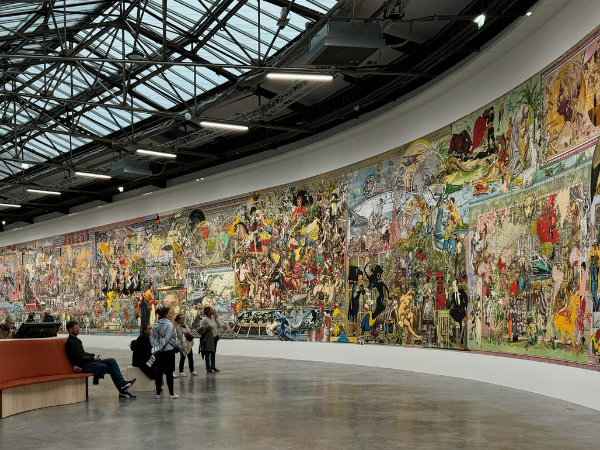
Fine art is more than just paintings hanging in museums—it is a language of human creativity, emotion, and cultural identity. For beginners, understanding fine art can feel overwhelming, but with the right guidance, it becomes an enriching journey into history, aesthetics, and personal meaning. This guide explores the foundations of fine art, its evolution, and how anyone can begin to appreciate it deeply.
What Is Fine Art?
Fine art refers to creative works primarily valued for their beauty, emotional power, and intellectual depth rather than practical function. Unlike decorative or applied arts, fine art emphasizes expression and originality. It encompasses painting, sculpture, drawing, printmaking, and more. Beginners often confuse fine art with design or craft, but the distinction lies in intent—fine art seeks to provoke thought and evoke emotion.
- Painting – The most recognized form, using color and composition to convey ideas.
- Sculpture – Three-dimensional works carved, molded, or assembled.
- Drawing – The foundation of visual art, often used for studies or standalone pieces.
- Printmaking – Art created through techniques like etching, lithography, or screen printing.
- Mixed Media – Combining materials for experimental expression.
Fine art is not limited to galleries; it exists wherever creativity meets intention. Understanding this definition helps beginners see art as more than decoration—it is a dialogue between artist and viewer, a timeless record of human imagination.
The Historical Roots of Fine Art
The story of fine art begins thousands of years ago, with cave paintings and carved figurines that expressed early human beliefs. Over centuries, fine art evolved alongside civilizations, reflecting cultural values, religious devotion, and political power. Beginners benefit from tracing this history to understand why certain styles dominate different eras.
- Prehistoric Art – Cave paintings in Lascaux, symbolic carvings, ritual objects.
- Classical Antiquity – Greek and Roman sculpture emphasizing proportion and ideal beauty.
- Medieval Art – Religious iconography, illuminated manuscripts, Gothic cathedrals.
- Renaissance – Humanism, perspective, and naturalism in works by Michelangelo and Da Vinci.
- Modern Movements – Impressionism, Cubism, Abstract Expressionism reshaping artistic norms.
Each era reflects humanity’s shifting worldview. Studying these roots allows beginners to see art as a mirror of history, not just isolated masterpieces. The past informs the present, and every brushstroke carries echoes of centuries before.
The Elements of Fine Art
To appreciate fine art, beginners must learn its building blocks. These elements form the visual language artists use to communicate ideas. Recognizing them transforms passive viewing into active interpretation.
- Line – Defines shapes, guides the eye, creates movement.
- Color – Evokes emotion, establishes mood, symbolizes meaning.
- Form – Three-dimensional qualities, whether real or implied.
- Texture – Surface quality, from smooth brushstrokes to rough stone.
- Space – Depth, perspective, and composition within the artwork.
- Value – Lightness or darkness, crucial for contrast and realism.
By analyzing these elements, beginners can decode the artist’s intention. Fine art becomes less mysterious when broken into components, revealing the deliberate choices behind every detail.
The Principles of Fine Art
Beyond elements, fine art relies on principles that organize and balance visual components. These principles guide how viewers experience a work, shaping harmony or tension.
- Balance – Symmetry or asymmetry that stabilizes composition.
- Contrast – Differences in color, texture, or form to create impact.
- Emphasis – Focal points that draw attention.
- Movement – Visual flow leading the eye across the piece.
- Rhythm – Repetition of elements for unity and pattern.
- Proportion – Relationship between parts, often tied to human scale.
Understanding these principles helps beginners see why certain artworks feel powerful or pleasing. They are the invisible architecture of fine art, guiding perception and emotional response.
Famous Fine Art Movements
Art history is defined by movements that challenged conventions and introduced new ways of seeing. Beginners should explore these movements to grasp the diversity of fine art.
- Renaissance – Revival of classical ideals, mastery of perspective.
- Baroque – Dramatic lighting, grandeur, and emotional intensity.
- Impressionism – Capturing fleeting light and everyday scenes.
- Cubism – Fragmented forms, multiple perspectives.
- Surrealism – Dreamlike imagery, subconscious exploration.
- Abstract Expressionism – Emphasis on gesture, emotion, and spontaneity.
Each movement reflects cultural shifts and artistic rebellion. Beginners who study them gain insight into how art evolves, constantly redefining itself against tradition.
How to Interpret Fine Art
Interpreting fine art is not about finding a single “correct” meaning but engaging with the work personally and intellectually. Beginners should approach art with curiosity and openness.
- Observe Closely – Notice details, colors, and composition.
- Consider Context – Learn about the artist, era, and cultural background.
- Identify Themes – Look for symbolism, narrative, or emotional tone.
- Reflect Personally – Ask how the artwork resonates with your own experiences.
- Compare Works – See connections across styles and movements.
Interpretation is a dialogue between viewer and artwork. Beginners should embrace multiple perspectives, realizing that fine art thrives on diverse interpretations.
The Role of Museums and Galleries
Museums and galleries are gateways to fine art, offering curated experiences that educate and inspire. Beginners benefit from visiting these spaces to see masterpieces firsthand.
- Museums – Preserve historical works, provide context, and foster scholarship.
- Galleries – Showcase contemporary artists, often for sale and promotion.
- Exhibitions – Thematic displays that highlight specific movements or ideas.
- Curators – Experts who select and interpret works for audiences.
- Public Programs – Lectures, tours, and workshops for deeper engagement.
These institutions democratize access to fine art, making it available beyond private collections. Beginners should see them as classrooms of culture, where every visit expands understanding.
Fine Art in Modern Life
Fine art is not confined to museums—it permeates daily life. From public murals to digital installations, art continues to shape modern culture. Beginners should recognize its relevance today.
- Public Art – Sculptures, murals, and installations in urban spaces.
- Digital Art – Works created with software, VR, or AI.
- Street Art – Graffiti and urban expression challenging traditional norms.
- Commercial Influence – Fashion, advertising, and design borrowing from fine art.
- Personal Spaces – Collecting and displaying art at home.
Fine art remains dynamic, adapting to technology and social change. Beginners who see art in everyday contexts realize its enduring power to inspire and provoke.
Tips for Beginners Exploring Fine Art
Starting an art journey can feel intimidating, but practical steps make it accessible. Beginners should focus on building confidence and curiosity.
- Visit Museums Regularly – Exposure builds familiarity.
- Read Art Books – Gain historical and theoretical knowledge.
- Take Classes – Learn techniques and appreciation skills.
- Engage Online – Explore virtual galleries and art forums.
- Trust Your Taste – Personal reactions are valid and meaningful.
Fine art is not about elitism—it is about connection. Beginners should embrace exploration, knowing that every step deepens appreciation and enriches life.
Conclusion
Fine art is a vast, evolving field that bridges history, culture, and emotion. For beginners, understanding it requires patience, curiosity, and openness. By learning its elements, principles, movements, and modern relevance, anyone can unlock the beauty and meaning behind masterpieces. Fine art is not just for experts—it is for everyone willing to look closely and feel deeply.