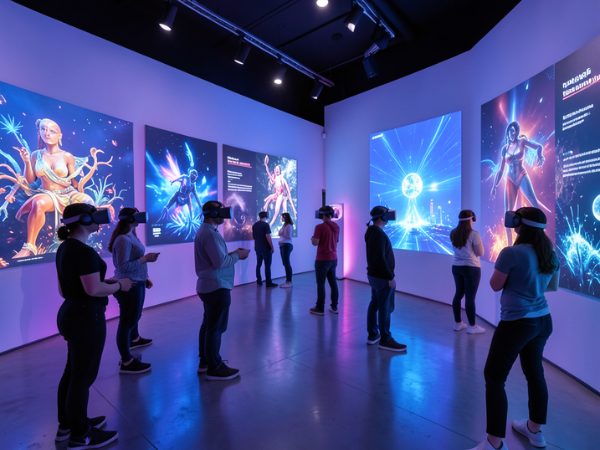
Virtual reality (VR) is transforming the way audiences experience art, creating immersive exhibitions that transcend physical boundaries. This new renaissance allows artists to showcase their work in digital spaces where viewers can interact, explore, and engage with creativity in ways that traditional galleries cannot replicate.
The Rise of Virtual Reality in the Art World
Virtual reality has emerged as a powerful tool for artists and curators, offering new possibilities for exhibition design and audience engagement.
- Expands access to global audiences without travel
- Provides immersive environments beyond physical limitations
- Allows interactive storytelling and layered experiences
- Reduces costs associated with physical gallery spaces
- Encourages experimentation with digital art forms
This rise of VR exhibitions signals a shift in how art is consumed and appreciated. It democratizes access, enabling anyone with a headset or device to step into curated worlds of creativity.
Designing Immersive Virtual Galleries
Creating a VR exhibition requires careful planning to replicate the atmosphere of a physical gallery while enhancing it with digital possibilities.
- 3D modeling of gallery spaces
- Interactive navigation for visitors
- Integration of audio guides and artist commentary
- Dynamic lighting and spatial effects
- Options for social interaction within the gallery
Immersive design ensures that visitors feel present in the space, enhancing their connection to the artwork. It transforms passive viewing into active exploration.
Benefits of VR Exhibitions for Artists
Artists gain unique advantages by showcasing their work in virtual reality, from expanded reach to creative freedom.
- Global accessibility without geographic barriers
- Ability to experiment with scale and presentation
- Opportunities to integrate multimedia elements
- Lower costs compared to traditional exhibitions
- Enhanced storytelling through interactive features
These benefits empower artists to share their vision with wider audiences while maintaining creative control. VR exhibitions open doors to innovation and inclusivity.
Challenges and Limitations of Virtual Exhibitions
Despite their promise, VR exhibitions face challenges that artists and curators must address.
- Accessibility limited by VR hardware costs
- Technical skills required for setup and design
- Potential disconnect for audiences unfamiliar with VR
- Risk of reduced physical community engagement
- Dependence on stable internet connections
Acknowledging these limitations helps artists plan effectively, ensuring that VR exhibitions complement rather than replace traditional experiences.
Audience Engagement in Virtual Reality Art Shows
Engaging audiences in VR requires more than simply displaying art—it involves creating interactive and memorable experiences.
- Guided tours led by avatars or AI
- Interactive elements like clickable details
- Social features for group exploration
- Gamification to encourage deeper engagement
- Personalized experiences based on visitor preferences
By focusing on engagement, VR exhibitions can foster meaningful connections between artists and audiences, making digital experiences as impactful as physical ones.
Technology Behind Virtual Art Exhibitions
The success of VR exhibitions depends on the technology that powers them, from hardware to software platforms.
- VR headsets like Oculus or HTC Vive
- 3D modeling and rendering software
- Cloud-based hosting for accessibility
- Interactive design tools for user navigation
- Integration with AR and mixed reality features
Understanding the technology helps artists and curators make informed choices, ensuring smooth and immersive experiences for visitors.
Case Studies: Successful VR Art Exhibitions
Several pioneering exhibitions showcase the potential of VR in the art world.
- “The Museum of Other Realities” featuring digital artists
- VR recreations of famous galleries like the Louvre
- Independent artist-led virtual showcases
- Collaborative projects blending VR with live events
- Educational VR exhibitions for schools and universities
These case studies highlight how VR can be used creatively to expand access, enhance storytelling, and redefine the art experience.
The Future of Virtual Reality in Art
Looking ahead, VR is likely to become a standard tool for artists and institutions.
- Integration with blockchain for digital ownership
- Hybrid exhibitions combining VR and physical spaces
- Advances in haptic feedback for tactile experiences
- Greater accessibility through affordable devices
- Expansion into metaverse platforms for global collaboration
The future promises even more immersive and inclusive art experiences, reshaping how creativity is shared and appreciated.
Final Thoughts: A New Renaissance in Art
Virtual reality exhibitions represent a new renaissance, blending technology with creativity to redefine how art is experienced.
- Expands access to audiences worldwide
- Offers immersive and interactive storytelling
- Provides artists with innovative tools for expression
- Balances challenges with transformative potential
- Signals a future where art and technology coexist seamlessly
Ultimately, VR exhibitions are not about replacing traditional galleries but about expanding possibilities. They mark a turning point in the art world, where imagination and innovation converge.