Oil painting has captivated artists for centuries, offering unmatched depth, texture, and vibrancy. For adult hobbyists, it represents both a creative outlet and a meditative practice. Unlike quick-drying mediums such as acrylics, oil paints allow for extended blending, layering, and experimentation. This flexibility makes them ideal for learners who want to explore art at their own pace.
Choosing the Right Materials
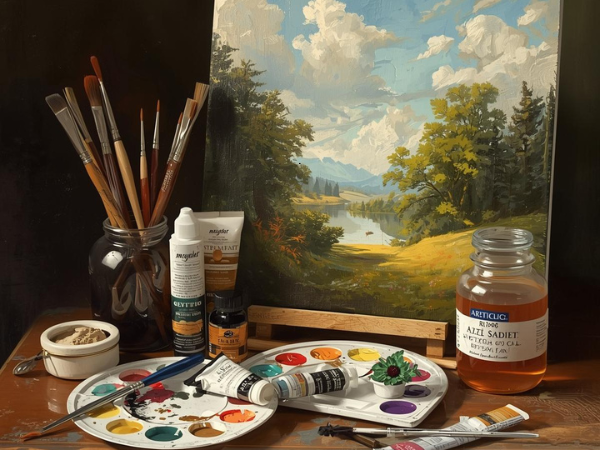
Before diving into painting, hobbyists must understand the importance of selecting proper materials. Quality supplies can make the difference between frustration and satisfaction.
- Oil Paints – Beginners should start with a limited palette (e.g., titanium white, ultramarine blue, cadmium red, yellow ochre) to learn color mixing.
- Brushes – Hog bristle brushes are durable for thick paint, while sable brushes provide smooth detail.
- Canvas and Panels – Stretched canvas offers tradition, while gesso-primed panels provide stability.
- Mediums – Linseed oil, turpentine, and modern odorless substitutes control drying time and texture.
- Palette and Easel – A wooden palette and adjustable easel enhance comfort and workflow.
Investing in reliable materials ensures smoother practice sessions and reduces technical obstacles. Hobbyists often find that better tools encourage experimentation and confidence in their artistic journey.
Preparing Your Workspace
Oil painting requires a dedicated space that balances creativity with practicality. Proper preparation prevents accidents and enhances focus.
- Ventilation – Essential when using solvents or mediums.
- Lighting – Natural light is ideal, but daylight-balanced lamps work well indoors.
- Storage – Organize paints, brushes, and canvases for efficiency.
- Protective Gear – Aprons, gloves, and drop cloths safeguard clothing and furniture.
- Cleaning Supplies – Rags, paper towels, and brush cleaners keep tools in good condition.
A well-prepared workspace transforms painting into a ritual. Adult hobbyists often find that setting up a personal studio corner fosters consistency and motivation, making the creative process more enjoyable.
Fundamental Techniques for Beginners
Mastering basic techniques is crucial for building confidence in oil painting. These methods form the foundation for more advanced exploration.
- Underpainting – Establishes tonal values before adding color.
- Glazing – Thin transparent layers create luminosity and depth.
- Impasto – Thick paint application adds texture and drama.
- Blending – Smooth transitions between colors enhance realism.
- Scumbling – Light, broken layers produce atmospheric effects.
By practicing these techniques, hobbyists learn how to control paint behavior and achieve desired effects. Over time, these skills evolve into a personal style that reflects the artist’s unique vision.
Color Theory and Mixing
Understanding color is one of the most rewarding aspects of oil painting. Hobbyists quickly discover that mixing paints is both science and art.
- Primary Colors – Red, blue, and yellow form the basis of all mixes.
- Complementary Colors – Opposites on the color wheel create contrast and vibrancy.
- Warm vs. Cool Tones – Influence mood and depth.
- Limited Palette Exercises – Encourage creativity and mastery.
- Neutral Shades – Mixing grays and browns adds realism.
Color theory empowers hobbyists to move beyond copying and into creative decision-making. By experimenting with palettes, they learn how to evoke emotion and atmosphere in their work.
Latin Influences in Oil Painting
Latin American artists have contributed significantly to the evolution of oil painting, blending European traditions with indigenous and cultural narratives. For hobbyists, studying these influences offers inspiration and diversity.
- Diego Rivera – His murals combined oil techniques with social commentary.
- Frida Kahlo – Used oil painting to explore identity, pain, and resilience.
- Fernando Botero – Famous for exaggerated figures that challenge perception.
- Tarsila do Amaral – A pioneer of Brazilian modernism.
- Contemporary Latin Artists – Street art and oil works reflect urban culture and political voices.
Latin oil painting demonstrates how art can be both deeply personal and socially engaged. Hobbyists gain perspective on how cultural heritage shapes artistic choices, encouraging them to infuse their own backgrounds into their work.
Advanced Techniques for Hobbyists
Once adult hobbyists have mastered the basics of oil painting, they often crave more challenging methods that push their creativity further.
- Alla Prima – Painting “wet-on-wet” in a single session.
- Chiaroscuro – Dramatic contrasts between light and dark.
- Palette Knife Painting – Creates bold textures and abstract effects.
- Layering and Drying Control – Manipulating time for complex compositions.
- Mixed Media Integration – Combining oil with charcoal, ink, or collage.
Advanced techniques challenge hobbyists to push boundaries. They encourage risk-taking and innovation, transforming oil painting from a hobby into a lifelong pursuit of mastery.
Common Mistakes and How to Avoid Them
Every adult hobbyist eventually encounters challenges when learning oil painting, and these mistakes are part of the growth process. However, understanding them early can save time, materials, and frustration.
- Overusing Solvents – Can weaken paint film.
- Ignoring Drying Times – Leads to cracking or muddy colors.
- Poor Brush Care – Shortens tool lifespan.
- Overworking the Canvas – Results in dull, lifeless paintings.
- Neglecting Composition – Weakens overall impact.
By recognizing these pitfalls, hobbyists can adjust their approach and maintain enthusiasm. Mistakes become learning opportunities rather than setbacks, reinforcing persistence and growth.
Oil Painting as a Lifelong Journey
Oil painting is not just a hobby—it’s a lifelong journey of discovery. For adults, it offers relaxation, self-expression, and cultural connection.
- Mindfulness – Painting encourages focus and reduces stress.
- Community – Art clubs and workshops foster friendships.
- Personal Growth – Builds patience and resilience.
- Cultural Appreciation – Connects hobbyists to global traditions.
- Legacy – Finished works become meaningful keepsakes.
For adult hobbyists, oil painting becomes more than technique—it becomes a way of life. Each canvas reflects not only skill but also personal evolution, making the journey endlessly rewarding.
Conclusion: The Canvas Awaits
Oil painting essentials provide hobbyists with the tools, techniques, and inspiration to embark on a creative adventure. From choosing materials to exploring Latin influences, each step deepens understanding and enriches practice.
For adults seeking both relaxation and challenge, oil painting offers a timeless medium that rewards patience and imagination. The canvas awaits—ready to capture every brushstroke, every experiment, and every story.