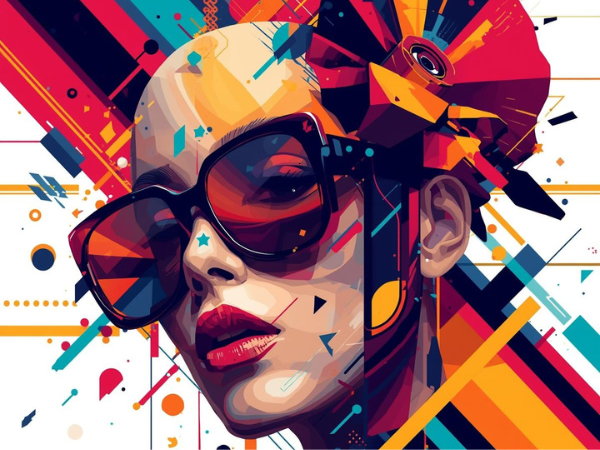
Modern art is a world of imagination, color, and bold ideas. For boys ages 12 and up, exploring abstract art is more than just painting shapes—it’s about expressing emotions, experimenting with techniques, and discovering personal creativity.
Understanding Modern Art at a Young Age
Modern art is not just about paintings that look unusual or sculptures that defy tradition. For boys ages 12+, it represents a chance to ask questions, interpret meanings, and connect with emotions in new ways.
- Abstract Expressionism – Encourages freedom of thought and bold experimentation.
- Surrealism – Sparks imagination by blending dreams with reality.
- Pop Art – Connects with everyday culture, comics, and media.
- Minimalism – Teaches simplicity and focus.
- Street Art – Shows how creativity thrives outside museums.
By learning these movements, boys begin to see that modern art is not about “right or wrong” answers but about exploration. This mindset builds confidence and helps them embrace creativity in school, hobbies, and personal projects.
Hands-On Activities for Boys Exploring Art
Engagement with art becomes more meaningful when boys can create rather than just observe. Practical activities allow them to experiment with colors, textures, and ideas.
- Painting with Acrylics – Fast-drying paints encourage bold strokes and experimentation.
- Collage Making – Combining magazine cutouts, fabrics, and found objects sparks imagination.
- Clay Sculpting – Builds patience and spatial awareness.
- Digital Art – Introduces technology as a creative tool.
- Group Murals – Encourages teamwork and shared vision.
These activities not only develop artistic skills but also foster problem-solving, patience, and collaboration. Boys learn that art is not just about talent but about practice, persistence, and creativity.
Exploring Museums and Galleries
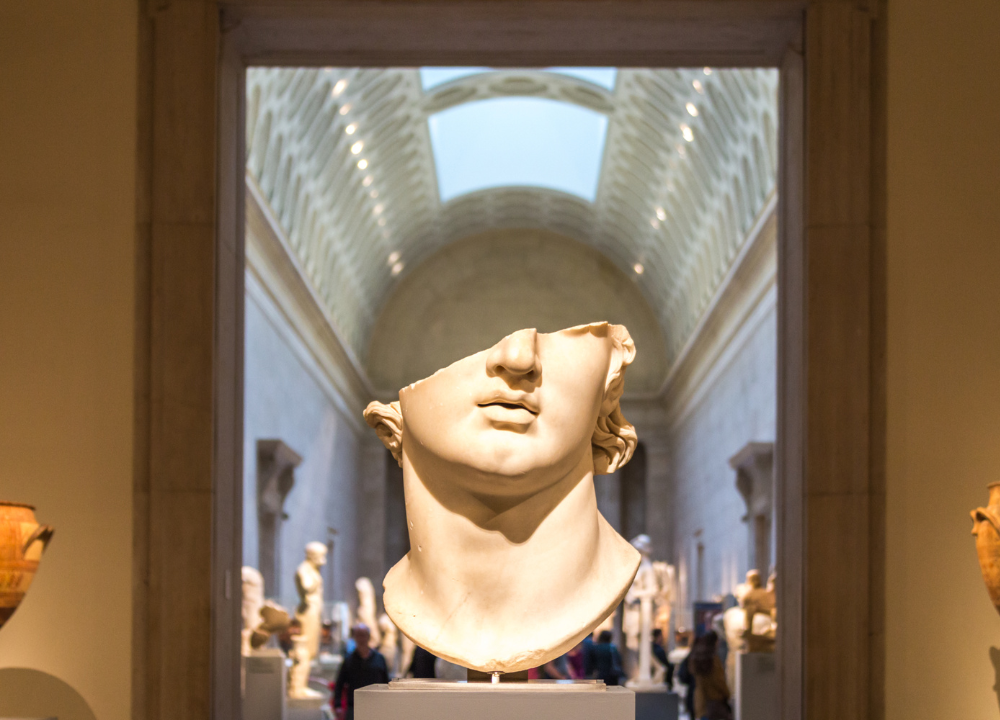
Visiting museums and galleries can be transformative for young learners. It allows them to see real works of art, understand scale, and feel the atmosphere of creativity.
- Local Art Museums – Offer accessible collections and workshops.
- Contemporary Galleries – Showcase living artists and current trends.
- Traveling Exhibitions – Bring global art to local communities.
- Interactive Installations – Encourage participation and play.
- Guided Tours – Provide context and deeper understanding.
By stepping into these spaces, boys realize that art is alive, evolving, and connected to society. Museums become places of inspiration rather than intimidating halls of silence.
Latin Influences in Modern Art
Latin American art has played a crucial role in shaping modern creativity worldwide. For boys exploring art, these influences open doors to vibrant colors, cultural stories, and powerful symbolism.
- Frida Kahlo – Explored identity, pain, and resilience through surreal self-portraits.
- Diego Rivera – Famous for murals that celebrated workers and social justice.
- Fernando Botero – Known for exaggerated, voluminous figures.
- Tarsila do Amaral – A pioneer of Brazilian modernism.
- Contemporary Latin Street Art – Reflects urban culture and political voices.
Latin art teaches boys that creativity is deeply tied to culture and history. It shows how art can be both personal and political, inspiring them to connect their own experiences with broader social themes.
The Role of Technology in Art Exploration
Technology has transformed how young people engage with art. Boys ages 12+ are often digital natives, making tech-based art exploration natural and exciting.
- Virtual Museum Tours – Allow exploration of global collections from home.
- Art Apps – Provide tools for digital drawing and painting.
- Online Workshops – Connect students with artists worldwide.
- Augmented Reality – Brings art into everyday spaces.
- Social Media – Encourages sharing and discovering new styles.
Technology makes art more accessible and interactive. It allows boys to experiment without fear of mistakes and to connect with communities beyond their immediate environment.
Building Critical Thinking Through Art
Art is not just about beauty—it’s about meaning. Boys can develop critical thinking by analyzing and interpreting artworks.
- Asking Questions – What does this piece represent?
- Comparing Styles – How does abstract differ from realism?
- Exploring Symbolism – What do colors and shapes suggest?
- Debating Interpretations – Encourages respectful discussion.
- Writing Reflections – Builds communication skills.
Through these practices, boys learn to think deeply, question assumptions, and articulate ideas. These skills extend into academics, problem-solving, and everyday decision-making.
Group Projects and Peer Collaboration
Art exploration becomes richer when shared with peers. Group projects encourage teamwork, communication, and collective creativity.
- Collaborative Murals – Large-scale projects that require planning.
- Themed Exhibitions – Students curate their own shows.
- Art Clubs – Provide regular practice and peer feedback.
- Community Installations – Connect students with local culture.
- Peer Critiques – Teach constructive feedback.
Working together helps boys understand that art is not just solitary—it’s a dialogue. Collaboration builds empathy, leadership, and respect for diverse perspectives.
Art as a Pathway to Personal Growth
Ultimately, modern art exploration is about more than creativity—it’s about personal development. Boys ages 12+ can discover confidence, resilience, and identity through art.
- Self-Expression – Art becomes a safe outlet for emotions.
- Confidence Building – Completing projects fosters pride.
- Emotional Awareness – Helps boys recognize and process feelings.
- Cultural Appreciation – Encourages respect for diversity.
- Lifelong Skills – Creativity supports future careers and hobbies.
Art becomes a mirror, reflecting both inner thoughts and outer influences. For boys, this journey can shape not only their artistic abilities but also their character and worldview.
Conclusion: Abstract Adventures Await
Modern art is not a distant, confusing concept—it is a living, breathing adventure that boys ages 12+ can embrace. Through hands-on activities, museum visits, Latin influences, technology, critical thinking, collaboration, and personal growth, art becomes a pathway to discovery.
By engaging with modern art, boys learn to see the world differently, express themselves boldly, and connect with cultures across the globe. These abstract adventures are not just about art—they are about shaping the next generation of thinkers, creators, and leaders.